
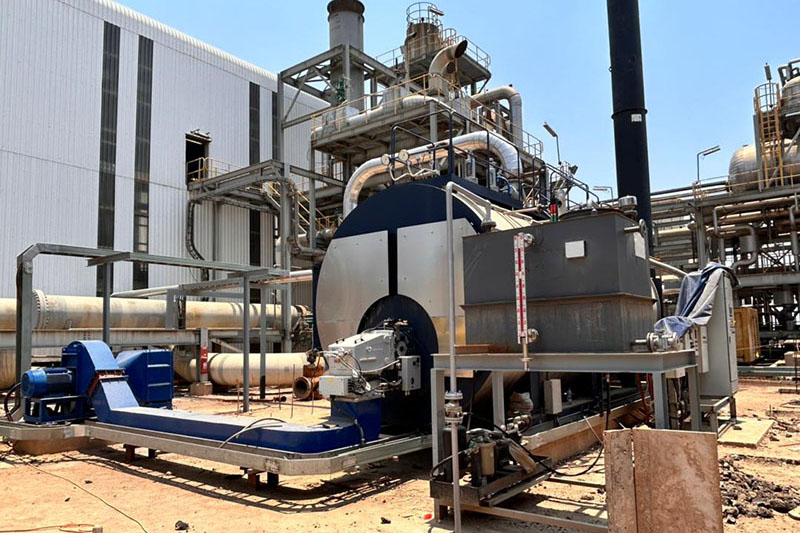
Dans 2026, les chaudières à vapeur ont généralement un coût total plus élevé que les chaudières à eau chaude en raison d'une pression de fonctionnement plus élevée, des exigences de sécurité plus strictes, et augmentation de la consommation de carburant. Pour les projets industriels avec une demande continue de chaleur de processus, les chaudières à vapeur offrent une capacité de processus plus forte, tandis que les chaudières à eau chaude offrent une solution moins coûteuse pour les applications de chauffage..
This article compares steam boilers and hot water boilers from a total cost perspective, covering equipment price, coût d'installation, dépenses de fonctionnement, and long-term maintenance considerations.
1. Comparaison des coûts d'équipement
Steam boilers require pressure-rated vessels, safety valves, and more complex control systems, which increase manufacturing cost compared to hot water boilers.
| Type de chaudière | Prix typique de l'équipement Range (USD) | Cost Level |
|---|---|---|
| Chaudière à vapeur | 10,000 – 180,000+ | Plus haut |
| Hot Water Boiler | 8,000 – 120,000 | Inférieur |
As boiler capacity increases, the cost gap between steam and hot water boilers becomes more pronounced.
2. Différences de coûts d’installation
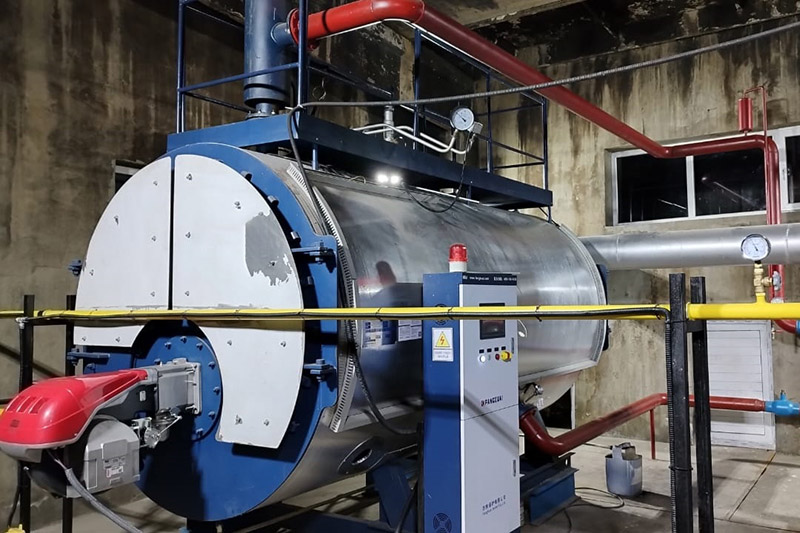
Steam boiler installation is generally more complex due to higher safety standards, pressure piping, and inspection requirements.
- Steam Boilers
Installation cost typically accounts for 20%–40% of the boiler equipment price. - Hot Water Boilers
Installation cost typically accounts for 15%–30% of the boiler equipment price.
Projects requiring certified welding, third-party inspection, or special pressure certifications tend to increase steam boiler installation costs further.
3. Comparaison des coûts d'exploitation
Operating cost differences between steam and hot water boilers are mainly driven by thermal losses, system pressure, and condensate recovery efficiency.
- Steam Boilers
Higher fuel consumption due to latent heat losses, blowdown requirements, and steam distribution losses. - Hot Water Boilers
Lower fuel consumption, especially in closed-loop heating systems with stable return temperatures.
In applications where steam is not strictly required, hot water boilers can reduce annual fuel costs significantly.
4. Maintenance and Compliance Costs
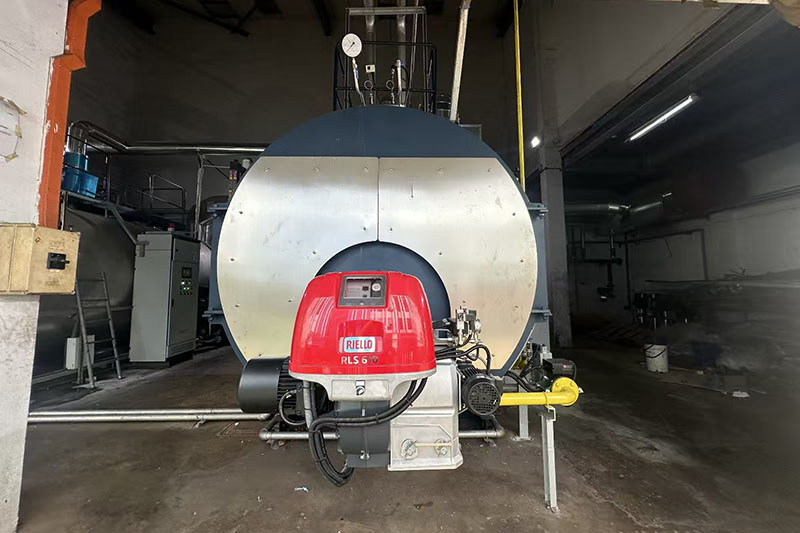
Steam boilers operate under higher pressure and temperature, leading to more frequent inspection and stricter maintenance requirements.
| Cost Factor | Chaudière à vapeur | Hot Water Boiler |
|---|---|---|
| Inspection Frequency | Haut | Moyen |
| Water Treatment Demand | Haut | Moyen |
| Maintenance Skill Level | Plus haut | Inférieur |
Over a long service life, these compliance and maintenance costs contribute significantly to total ownership cost.
5. Typical Application-Based Cost Decision
Choosing between a steam boiler and a hot water boiler should be driven by process requirements rather than initial cost alone.
- Chaudières à vapeur are more suitable for industrial processes such as sterilization, chemical reactions, transformation des aliments, and textile production.
- Hot water boilers are more cost-effective for space heating, district heating, and low-temperature process heating.
6. Total Cost of Ownership Perspective
When evaluated over a 10–20 year service life, hot water boilers typically offer a lower total cost of ownership for heating-focused applications. Chaudières à vapeur, while more expensive, deliver process capabilities that cannot be replaced by hot water systems in many industries.

Conclusion: Steam boilers and hot water boilers serve different industrial purposes. Steam boilers involve higher equipment, installation, and operating costs, while hot water boilers provide a more economical solution where steam is not required. Understanding total cost differences helps industrial buyers select the most appropriate system for long-term operation.
If you are planning an industrial boiler project, il est recommandé de demander une solution personnalisée en fonction de votre source de carburant et de votre demande de production pour garantir une efficacité optimale et des économies de coûts à long terme. WhatsApp: +86 138 3822 5665

