
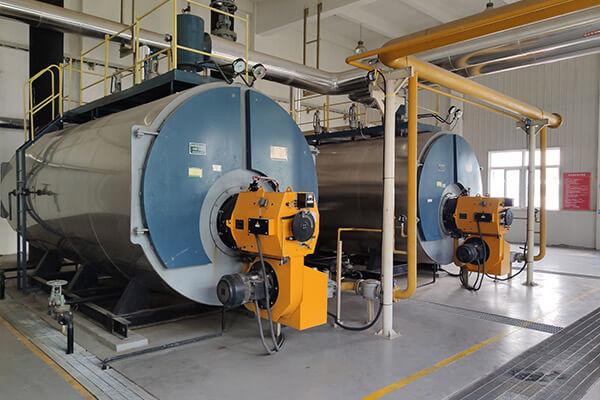
Introduction: The New Gold Standard in Heating Technology
For decades, l'industrie du chauffage fonctionnait selon un principe simple: brûler du carburant pour créer de la chaleur. L'efficacité de ce processus était souvent une réflexion après coup. Aujourd'hui, à une époque de hausse des coûts énergétiques et de sensibilisation accrue à l’environnement, le jeu a complètement changé. Enter the high efficiency condensing gas boiler—a technological marvel that has redefined what’s possible in commercial and residential heating.

If you are an HVAC distributor, a facility manager, a project developer, or a plumbing engineer, understanding this technology is no longer optional; it’s essential. These boilers are not just a minor upgrade. They represent a fundamental shift in engineering, offering unparalleled fuel savings, reduced carbon footprints, and superior performance. This comprehensive guide will delve deep into the world of condensing boilers, stripping away the complexity to show you exactly how they work, why they are so beneficial, and how you can leverage them for your projects or business.
The Core Principle – What Makes a Boiler “Condensing”?
To understand the breakthrough, you first need to understand the limitation of traditional, non-condensing boilers.
The Old Way: Standard Efficiency Boilers
Traditional boilers burn natural gas or propane, and the hot combustion gases produced travel through a heat exchanger, warming the water inside before being vented out of the chimney. A significant amount of heat is literally lost out the flue. Why? Because these boilers are designed to avoid condensation. The exhaust gases contain water vapor, a byproduct of combustion. If this vapor were to cool and condense inside the boiler, it would turn acidic and corrode the standard cast iron or copper heat exchangers, leading to premature failure. To prevent this, they must vent the gases while they are still very hot (often above 300°F/150°C), wasting a massive amount of latent heat.
The New Way: High Efficiency Condensing Boilers
UN high efficiency condensing gas boiler is intelligently designed to capture this escaping heat. It uses a specially engineered, corrosion-resistant heat exchanger—typically made from stainless steel or an aluminum-silicon alloy—that allows the flue gases to cool down significantly.
Here’s the magic: when the water vapor in the flue gases cools below its dew point (around 130°F/55°C), it condenses back into liquid water. This process of “phase change” from vapor to liquid releases a substantial amount of latent heat, which is then captured and transferred to the system water. This secondary heat recovery is what pushes the efficiency of these boilers to remarkable levels.
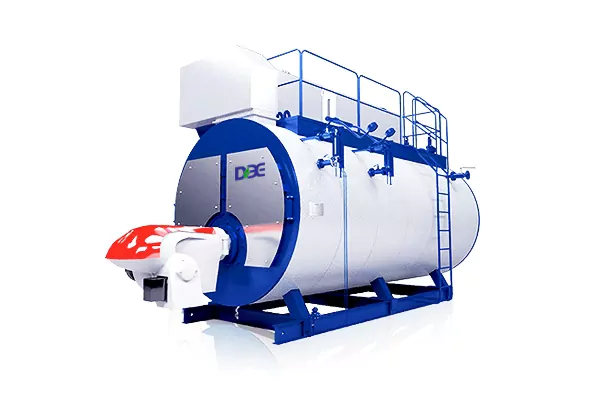
Think of it like this: a standard boiler only uses the “sensible” heat from the combustion gases. A condensing boiler captures both the “sensible” heat et the hidden “latent” heat from condensation.
Key Components and Technologies That Drive Performance
The condensing principle is powered by several advanced components working in harmony:
- The Primary and Secondary Heat Exchangers: Modern condensing boilers often feature two heat exchangers. The primary one captures the initial sensible heat from the high-temperature combustion. The flue gases then pass to a larger secondary heat exchanger, specifically designed to maximize surface area and facilitate condensation, capturing the latent heat.
- Modulating Burners: Unlike traditional boilers that simply turn on and off at full capacity (a process called “cycling”), most high efficiency condensing gas boilers feature a modulating burner. This burner can adjust its fire rate dynamically, from as low as 20% à 100% of its capacity, to match the building’s exact heat demand. This eliminates the energy waste of frequent cycling, maintains a more consistent temperature, and reduces wear and tear on components.
- Sealed Combustion and PVC Venting: Condensing boilers use a sealed combustion system. They draw air for combustion directly from outside through a dedicated PVC pipe, rather than from the indoor air. The exhaust is also vented through a separate PVC pipe. This makes the system incredibly safe and efficient, as it is unaffected by negative air pressure inside the building. The use of low-cost, corrosion-resistant PVC for venting is a direct result of the cool, low-temperature exhaust.
- Electronic Ignition: Gone is the energy-wasting standing pilot light. Condensing boilers use electronic ignition, which only sparks when the boiler needs to fire, saving a considerable amount of gas over time.
- Advanced Control Systems: These boilers are often equipped with sophisticated outdoor reset controls. This technology automatically adjusts the boiler’s water temperature based on the outside temperature. On a milder day, the boiler runs at a lower temperature, which increases the time for flue gases to condense, thereby maximizing efficiency.
The Tangible Benefits – Why Make the Switch?
The technical specs are impressive, but the real-world benefits are what drive purchasing decisions.
- Exceptional Fuel Efficiency and Lower Operating Costs: This is the headline benefit. While a standard boiler might have an Annual Fuel Utilization Efficiency (AFUE) note de 80-85%, un high efficiency condensing gas boiler typically achieves AFUE ratings of 90% to over 98%. This translates directly to 10-30% savings on your gas bills—a massive reduction in operational expenses for any business or development.
- Reduced Environmental Impact: By burning less fuel, these boilers directly lower CO2 emissions, contributing to corporate sustainability goals. En outre, modern condensing models are designed to be low NOx (Nitrogen Oxide) compliant, reducing the emission of smog-forming pollutants, which is a critical requirement in many cities and states with strict air quality regulations.
- Compact and Flexible Design: The compact footprint of many condensing boilers, especially wall-hung models, provides incredible design flexibility. They can be installed in utility closets, basements, or even on rooftops, freeing up valuable commercial or residential space.
- Quieter Operation: With sealed combustion, modulating burners, and the absence of a loud draft inducer fan needed for traditional chimneys, condensing boilers operate much more quietly than their predecessors.
- Longer Lifespan (avec un bon entretien): The core component—the heat exchanger—is made from high-grade stainless steel designed to withstand condensation. With annual maintenance to manage the mildly acidic condensate, these boilers can have a service life comparable to or even exceeding that of traditional models.
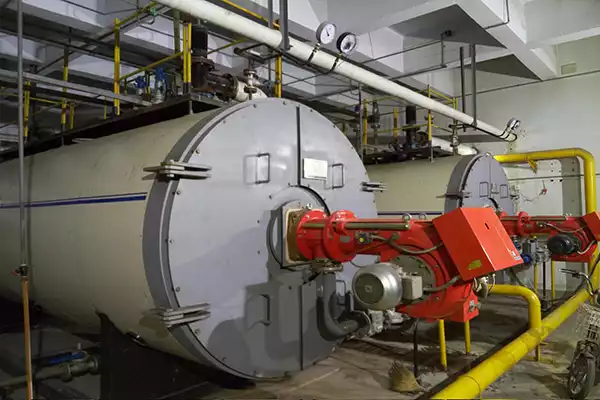
Ideal Applications and System Considerations
Condensing boilers shine in specific applications, but they are not a one-size-fits-all solution without proper system design.
Perfect Applications:
- Low-Temperature Hydronic Systems: Radiant floor heating systems are the ideal partner for condensing boilers, as they operate at low temperatures (often below 130°F/55°C), allowing the boiler to condense continuously and operate at peak efficiency.
- Commercial Buildings with Modulating Loads: Offices, hôtels, and apartment complexes with varying occupancy and heat demand benefit immensely from the modulating capability of condensing boilers.
- Domestic Hot Water Production: When combined with an indirect water heater, condensing boilers provide highly efficient hot water generation for large demands.
Critical System Considerations:
- Condensate Disposal: The condensation process produces a mildly acidic liquid (with a pH of 3-5) that must be neutralized or safely drained according to local codes. This is a crucial installation detail.
- Retrofit Challenges: When replacing an old non-condensing boiler in a system designed for high temperatures (like those with old cast-iron radiators), the full efficiency may not be realized unless the system is modified. An outdoor reset control is essential in these cases to lower the return water temperature.
- Proper Sizing: “Oversizing” is a common enemy of efficiency. A professional load calculation is mandatory to select a correctly sized, modulating boiler that will run for long, efficient cycles rather than short, wasteful ones.
A Buyer’s Checklist for HVAC Professionals
When sourcing or specifying a high efficiency condensing gas boiler, use this checklist:
- AFUE Rating: Verify the certified AFUE rating. Aim for 95% or higher for the best savings.
- Modulation Range: A wider modulation range (par ex., 5:1 ou 10:1) is better for precise load matching.
- Heat Exchanger Material: Inquire about the material (stainless steel is the industry standard for durability).
- Low NOx Certification: Ensure the model meets the environmental standards of your target market.
- Warranty: Look for a comprehensive warranty, especially on the heat exchanger (often 10-15 années).
- Service and Support: As a distributor, consider the manufacturer’s technical support, parts availability, and training resources.
Conclusion: An Investment in a Smarter, Greener Future
Le high efficiency condensing gas boiler is more than just an appliance; it is a smart, long-term investment. For end-users, it means dramatically lower utility bills and enhanced comfort. For HVAC businesses and exporters, it represents a premium, in-demand product aligned with global trends in energy conservation and environmental responsibility.
While the initial purchase price can be higher than that of a standard efficiency model, the return on investment through operational savings is clear and compelling. By understanding the technology, its benefits, and its ideal applications, you can make an informed decision that pays dividends for years to come, positioning your business at the forefront of modern heating solutions. WhatsApp: +8613838225665

