
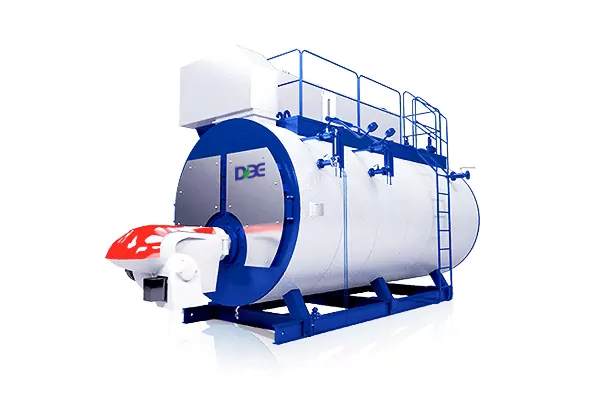
Масляні котли є популярним вибором для опалення будинків, підприємства, і промислових об'єктів завдяки їх надійності та ефективності. Але часто виникає одне питання: Скільки палива фактично споживає масляний котел за годину? Розуміння цього дуже важливо для складання бюджету, екологічне планування, та оптимізація використання енергії. У цьому посібнику, we’ll break down the factors affecting fuel consumption, provide actionable tips to reduce costs, and explore sustainable alternatives.
Understanding Oil Boiler Basics
How Oil Boilers Operate
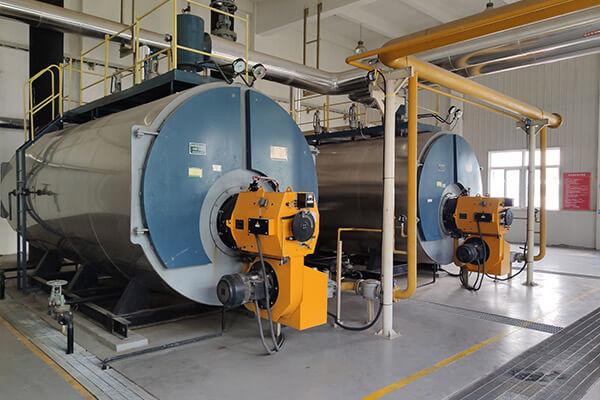
Oil boilers burn fuel (typically diesel or heavy oil) to heat water or generate steam, which is then circulated to provide warmth or hot water. Key components include:
-
- Burner: Atomizes fuel and mixes it with air for combustion.
- Heat Exchanger: Transfers heat from flames to water.
- Control System: Regulates fuel flow and temperature.
- Flue: Releases exhaust gases safely.
Modern oil boilers achieve 85-95% thermal efficiency, meaning most fuel energy is converted into heat. Проте, inefficiencies like heat loss or dirty components can increase fuel use.
Calculating Hourly Fuel Consumption
To estimate oil boiler fuel use per hour, follow this formula:
Приклад розрахунку:
-
- Boiler Power: 50 kW
- Тип палива: Дизель (energy content = 42,700 kJ/kg)
- Ефективність: 90%
This means a 50 kW boiler burns ~4.7 kg of diesel per hour. For heavy oil, consumption would be slightly higher due to its lower energy content.
6 Key Factors That Impact Fuel Usage
-
- Boiler Size and Power Larger boilers consume more fuel but are necessary for high-demand spaces. Oversized units waste energy in smaller settings.
- Operating Load Running at full capacity uses more fuel. Робота з частковим навантаженням (напр., 60-80%) can save costs without sacrificing performance.
- Fuel Quality Low-quality oil with impurities burns less efficiently. Stick to certified diesel or kerosene for optimal results
- Maintenance Habits Dirty burners, clogged filters, or soot buildup reduce efficiency by 10-20%. Schedule annual servicing to avoid waste
- Weather and Insulation Cold climates and poorly insulated buildings force boilers to work harder, increasing hourly fuel use
- Control Technology Smart thermostats and zoning systems adjust heating based on real-time needs, cutting idle fuel burn.
Top Tips to Reduce Oil Boiler Fuel Costs
✅ Upgrade to a High-Efficiency Model
Modern condensing boilers reuse exhaust heat, achieving 95%+ ефективність. While upfront costs are higher, long-term savings offset the investment.
✅ Optimize Heating Schedules
Use programmable thermostats to lower temperatures during off-hours (напр., nighttime or weekends). Even a 1°C reduction can save 5-10% on fuel bills.
✅ Seal Drafts and Improve Insulation
Fix leaky windows, add attic insulation, and insulate pipes. This reduces heat loss, allowing shorter boiler runtimes.
✅ Switch to Biofuels
Blends like B20 (20% biodiesel) burn cleaner and may qualify for green energy incentives. Check compatibility with your boiler first.
✅ Monitor Fuel Use with Smart Meters
Track hourly consumption patterns to identify inefficiencies. Apps like BoilerLink або Heat Spy provide real-time insights.
Real-World Example: Cutting Fuel Use by 18%
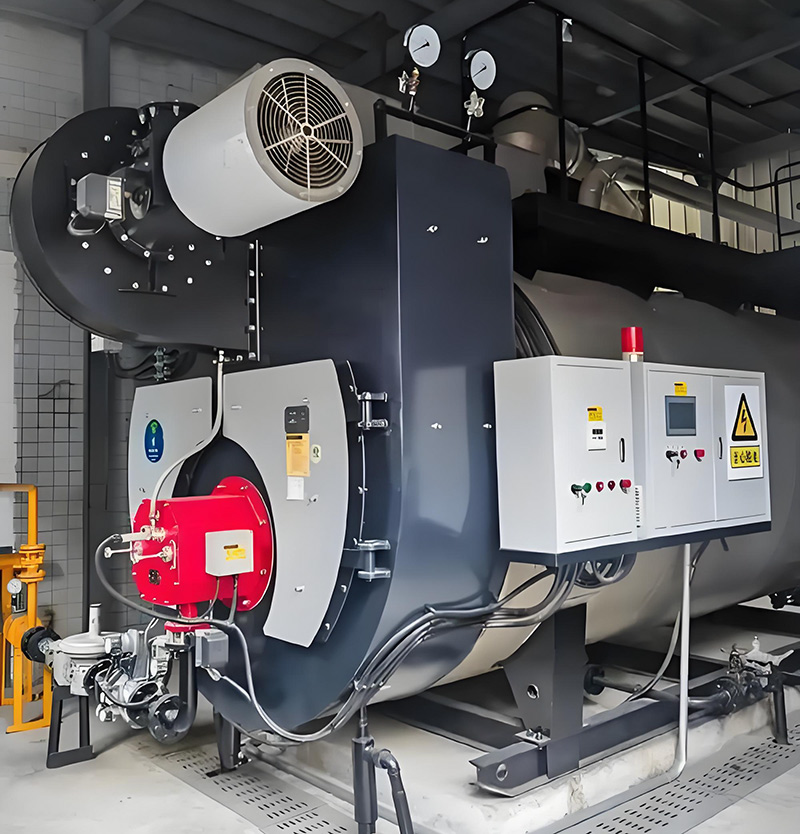
A Vermont school district replaced its aging 150 kW oil boiler with a high-efficiency condensing model and implemented smart zoning. Results:
-
- Hourly fuel use dropped from 14.2 kg/h to 11.6 кг/год.
- Annual savings: 8,400(в0.70/kg diesel).
- CO2 emissions reduced by 12 tonnes/year.
Environmental Impact and Cleaner Alternatives
While oil boilers are effective, burning fossil fuels contributes to CO2 emissions and air pollution. Consider these steps to go greener:
-
- Hybrid Systems: Pair your boiler with a solar thermal system to preheat water, slashing oil use by 30-50%.
- Heat Pumps: Electric or geothermal heat pumps offer zero-emission heating, ideal for moderate climates.
- Government Rebates: Many countries subsidize eco-friendly upgrades (напр., UK’s Boiler Upgrade Scheme).
Final Thoughts
An oil boiler’s hourly fuel consumption depends on its size, ефективність, and how well it’s maintained. By adopting smart controls, upgrading insulation, and transitioning to renewable energy, users can significantly lower costs and environmental impact. Need Help? Consult a certified HVAC technician to audit your system and recommend tailored solutions.

