
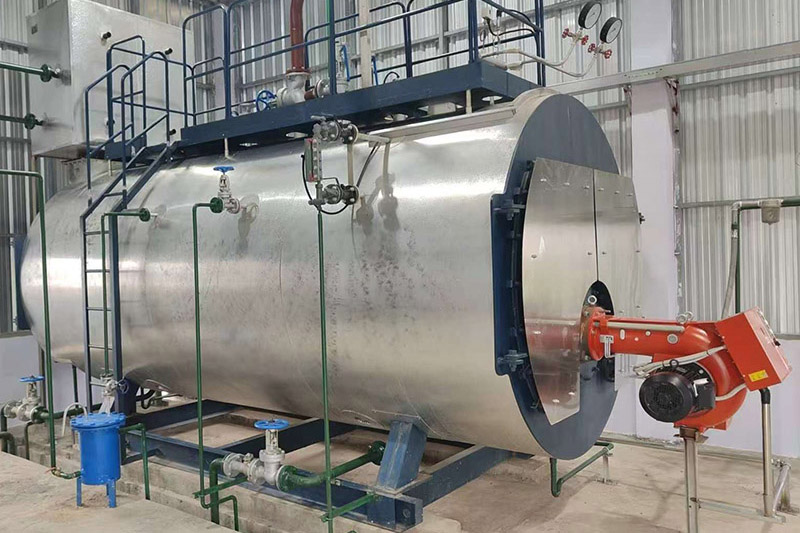
What Is a Gas Steam Boiler in the Textile Industry?
اے gas steam boiler in textile industry refers to a steam generation system powered by natural gas or LPG that produces clean, stable steam for textile manufacturing processes such as dyeing, خشک کرنا, bleaching, ironing, and finishing.
Gas fired steam boilers are widely used in modern textile factories because they provide اعلی تھرمل کارکردگی, precise temperature control, and low emissions, making them ideal for continuous industrial production.
Why Steam Is Essential in Textile Manufacturing
Steam plays a critical role throughout textile production. Nearly every stage of fabric processing depends on consistent heat energy supplied by steam systems.
Main Textile Processes Using Steam
- Dyeing and washing
- Fabric bleaching
- Printing processes
- Drying and finishing
- Heat setting
- Ironing and pressing
Stable steam pressure ensures uniform product quality, color consistency, and production efficiency.
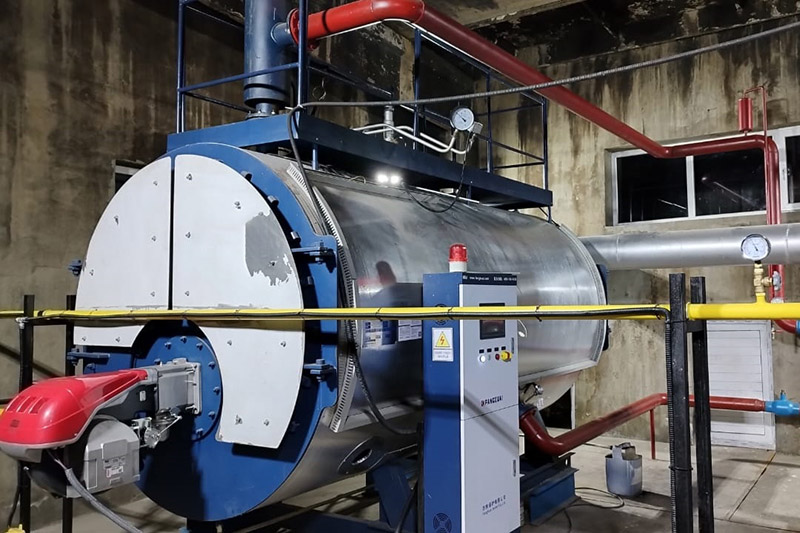
How a Gas Steam Boiler Works in Textile Factories
A gas steam boiler converts fuel energy into thermal energy through combustion of natural gas. The generated heat converts water into high-temperature steam, which is then distributed through pipelines to textile equipment.
Working Process
- Natural gas is burned in the combustion chamber.
- Heat transfers through boiler tubes.
- Water absorbs heat and becomes steam.
- Steam pressure builds inside the boiler.
- Steam is delivered to dyeing machines and dryers.
Modern systems use automatic PLC controls to maintain stable pressure and temperature throughout production cycles.
Advantages of Gas Steam Boilers in Textile Industry
1. Clean Combustion
Natural gas produces very low soot and ash, reducing contamination risks for fabrics and maintaining cleaner factory environments.
2. High Thermal Efficiency
Gas boilers typically achieve efficiency levels of 90% یا اس سے زیادہ, lowering fuel consumption compared with coal-fired systems.
3. Precise Steam Control
Textile processes require accurate temperature control. Gas burners allow rapid load adjustment and stable steam output.
4. Fast Start-Up Time
Gas steam boilers heat up quickly, helping textile factories respond to flexible production schedules.
5. Lower Maintenance Cost
Without solid fuel residues, maintenance intervals are longer and operating downtime is reduced.
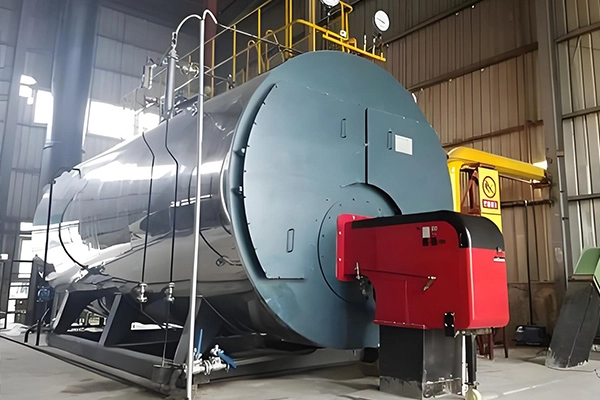
Types of Gas Steam Boilers Used in Textile Plants
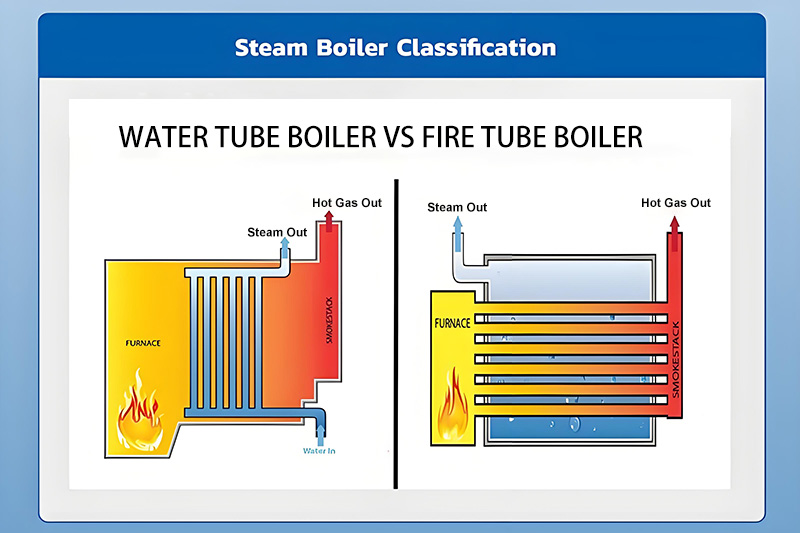
Fire Tube Gas Steam Boiler
- Suitable for small and medium textile factories
- Compact structure
- Easy installation and operation
- Capacity typically below 20 ٹی پی ایچ
Water Tube Gas Steam Boiler
- Designed for large textile mills
- Higher pressure capability
- Faster steam generation
- Better efficiency for continuous operation
Typical Technical Parameters
| Parameter | Typical Range |
|---|---|
| Steam Capacity | 1 - 30 ٹی پی ایچ |
| بھاپ کا دباؤ | 8 - 25 بار |
| Steam Temperature | 170 – 300°C |
| بوائلر کی کارکردگی | 90% - 95% |
| ایندھن کی قسم | قدرتی گیس / ایل پی جی |
| کنٹرول سسٹم | Fully Automatic PLC |
How to Choose a Gas Steam Boiler for Textile Industry
1. Steam Demand Calculation
Evaluate steam consumption for dyeing machines, dryers, and finishing equipment to determine correct boiler capacity.
2. Pressure Requirements
Different textile processes require different steam pressures. Dyeing typically needs stable medium-pressure steam.
3. Fuel Supply Stability
Ensure reliable natural gas supply to avoid production interruption.
4. Energy Efficiency Design
Choose boilers equipped with economizers and intelligent combustion control systems to reduce fuel cost.
5. Emission Regulations
Gas boilers help textile factories meet environmental compliance standards and reduce carbon emissions.
Energy Saving Tips for Textile Steam Systems
- Install condensate recovery systems
- Maintain insulation on steam pipelines
- Optimize burner air–fuel ratio
- Perform regular water treatment
- Monitor steam leakage
Proper energy management can reduce textile factory energy costs by up to 15%.
Applications of Gas Steam Boilers in Textile Industry
- Cotton fabric processing
- Polyester textile production
- Garment manufacturing plants
- Printing and dyeing factories
- Textile finishing workshops
Looking for a Steam Boiler?
ہم سے رابطہ کریں۔ today for a customized biomass boiler solution and free energy efficiency assessment. Our expert engineering team provides full support from design to installation.
Why Textile Manufacturers Prefer Gas Steam Boilers
As environmental standards become stricter worldwide, textile factories are shifting from coal fired systems to gas steam boilers due to:
- کم اخراج
- Cleaner production environment
- Higher automation
- Improved product quality
- Reduced operational labor
Gas Steam Boiler Manufacturer — Dabonn Energy
ڈابون انرجی provides customized gas steam boiler solutions designed specifically for textile industry applications. Our systems deliver stable steam supply, high efficiency operation, and intelligent automation suitable for modern textile manufacturing.
صحیح بوائلر کے انتخاب میں مدد کی ضرورت ہے۔?
رابطہ کریں۔ ہماری انجینئرنگ ٹیم مفت بوائلر انتخاب مشاورت اور اپنی مرضی کے مطابق بھاپ کے نظام کے حل. واٹس ایپ: +86 138 3822 5665
- Fully automatic gas steam boilers
- Energy-saving heat recovery systems
- International project experience
- Installation and commissioning support
- Long service life design
FAQ — Gas Steam Boiler in Textile Industry
Why are gas boilers suitable for textile factories?
They provide clean steam, precise temperature control, and stable pressure required for dyeing and finishing processes.
What capacity boiler is commonly used in textile plants?
Most textile factories use boilers ranging from 2–20 TPH depending on production scale.
Is a gas steam boiler energy efficient?
جی ہاں. Modern gas boilers can reach efficiency levels above 90%, significantly reducing fuel consumption.
How long does a gas steam boiler last?
مناسب دیکھ بھال کے ساتھ, industrial gas steam boilers typically operate for 20–25 years.

نتیجہ
اے gas steam boiler in textile industry is a reliable and efficient energy solution that ensures stable steam supply, improves fabric quality, and reduces environmental impact. Choosing the right boiler configuration helps textile manufacturers achieve higher productivity and long-term operational savings.

