
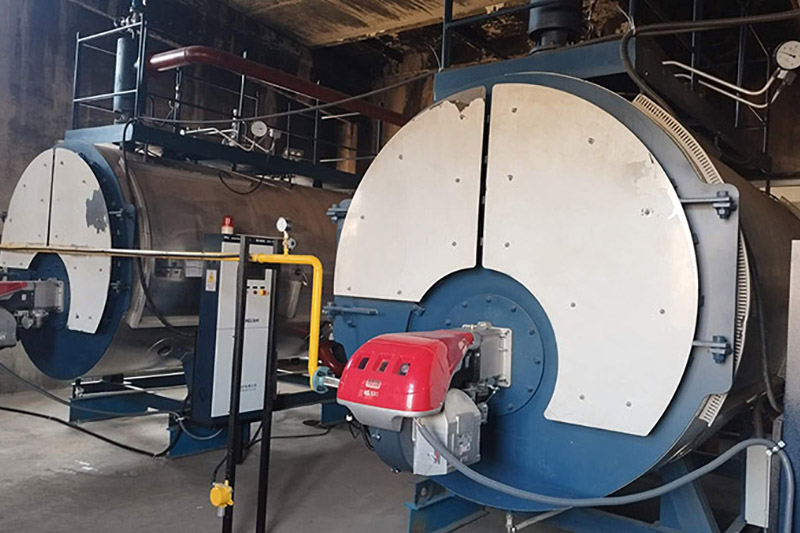
In 2026, the cost to convert an industrial oil boiler to gas typically ranges from $15,000 Zu $120,000 depending on boiler size, burner replacement scope, gas pipeline availability, and required control system modifications. Small boiler conversions may cost under $25,000, while large industrial systems can exceed $100,000 if infrastructure upgrades are required.
Converting from Öl zu Gas is often driven by fuel cost savings, improved efficiency, and reduced emissions. In many industrial regions, natural gas provides lower long-term operating costs compared to diesel or heavy oil.
Two Main Types of Oil-to-Gas Conversion
1. Burner Replacement Only
If the existing pressure vessel and combustion chamber are compatible, conversion may only require replacing the oil burner with a gas burner and modifying the fuel supply line.
- Small boilers (0.5–2 Tonnen/Std): $15,000 – $30,000
- Medium boilers (3–8 Tonnen/Std): $25,000 – $60,000
- Large boilers (10–20 Tonnen/Std): $60,000 – $120,000
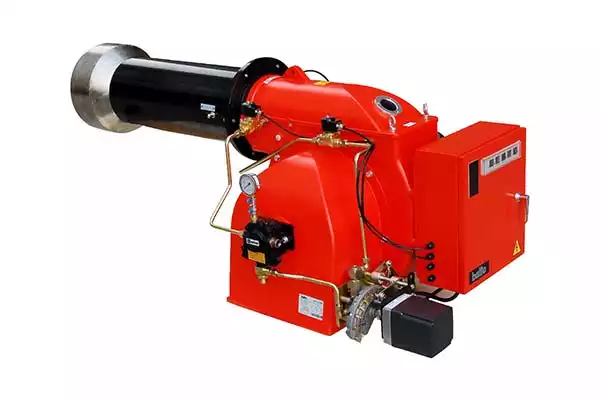
2. Full System Modification
If the system requires gas pipeline extension, chimney modification, safety upgrades, oder PLC control integration, total cost increases significantly.
- Gas pipeline installation
- Pressure regulation station
- Control system reconfiguration
- Emission compliance upgrades
- Combustion tuning and certification
What Affects Conversion Cost?
- Boiler capacity and steam pressure
- Existing burner compatibility
- Distance to nearest gas pipeline
- Local gas connection fees
- Emission regulation requirements
- Plant downtime cost during modification
Fuel Savings Example (5 Ton Boiler)
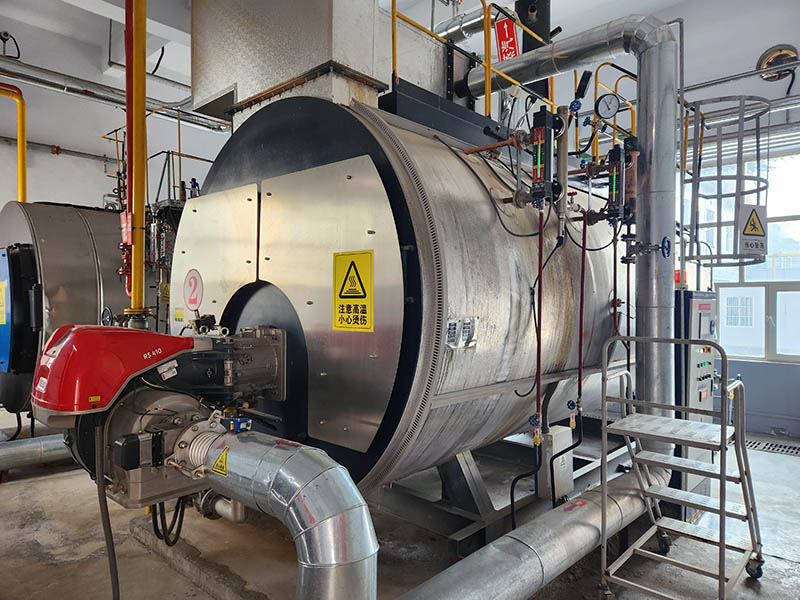
Assume a factory operates a 5 Tonne Ölkessel 7,000 hours annually.
- Annual oil fuel cost: $280,000
- Estimated annual gas fuel cost: $220,000
- Annual fuel savings: $60,000
If total conversion investment is $90,000, the estimated payback period is approximately 1.5 Jahre.
Efficiency and Emission Benefits
| Kategorie | Oil Boiler | Gaskessel (After Conversion) |
|---|---|---|
| Thermische Effizienz | 80% – 88% | 88% – 95% |
| Umgang mit Kraftstoff | Tank + Pump Required | No Fuel Storage Needed |
| Combustion Cleanliness | Higher Particulate | Cleaner Combustion |
| Maintenance Frequency | Mäßig | Untere |
When Conversion Makes Financial Sense
- Hohe jährliche Betriebsstunden (above 5,000 Std.)
- Stable natural gas availability
- Rising diesel or heavy oil prices
- Strengere Emissionsvorschriften
- Existing boiler vessel in good structural condition
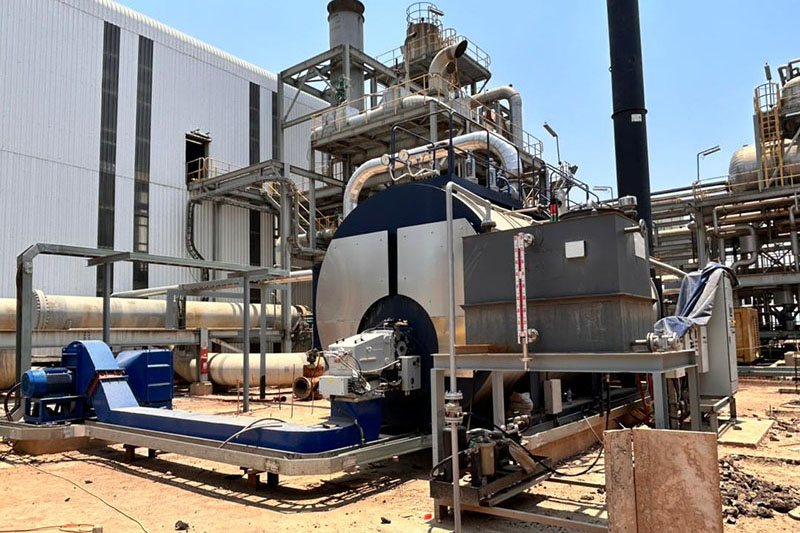
When Replacement May Be Better Than Conversion
- Boiler older than 20 Jahre
- Efficiency below 75%
- Frequent structural maintenance issues
- Pressure vessel corrosion or fatigue
In some cases, replacing the entire boiler with a new high-efficiency gas system provides better long-term value than partial conversion.
Long-Term Financial Perspective
Although conversion requires upfront investment, fuel savings often recover the cost within 2–3 years in high-demand industrial facilities. Over a 10-year period, total savings can significantly exceed the initial modification expense.

Abschluss
In summary, gas-fired boilers offer lower operating costs and higher efficiency, while oil-fired boilers remain a reliable choice in areas without a stable natural gas supply. If you need a comparison, a customized solution, or plan to convert an oil-fired boiler to gas, feel free to contact us for a free consultation. WhatsApp: +86 138 3822 5665

