
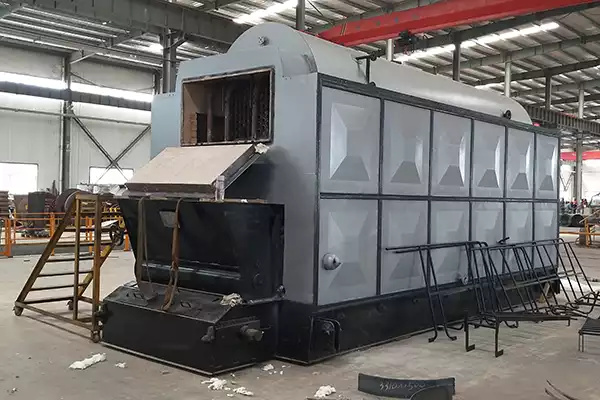
A 1 Una caldera de vapor alimentada con carbón de una tonelada generalmente cuesta entre $9,000 y $24,000 en 2026 para la propia unidad de caldera, dependiendo del diseño de la estructura, nivel de automatización, clasificación de presión, y configuración ambiental. Para la mayoría de los usuarios industriales, La inversión total del proyecto, incluidos los equipos auxiliares y la instalación, suele oscilar entre $14,000 a $35,000. The final price varies because industrial boilers are engineered systems rather than standardized products.
Why the Price of a 1 Ton Coal Boiler Varies
Unlike small commercial heating equipment, industrial boilers are built according to operating conditions. Two boilers with the same “1 ton” capacity may differ significantly in internal structure, combustion system, and automation configuration. The steam output rating only defines production capacity, not manufacturing complexity.
The main cost differences come from combustion design, material thickness, control systems, y requisitos de emisiones.
Typical Price Structure of a 1 Ton Coal Fired Boiler
| Configuration Level | Typical Price Range | Application Scenario |
|---|---|---|
| Basic Manual Type | $9,000 – $12,000 | Pequeños talleres, intermittent operation |
| Semi-Automatic System | $12,000 – $18,000 | Light industrial steam demand |
| Chain Grate Industrial Type | $18,000 – $24,000 | Continuous factory production |
Engineering Factors That Influence Boiler Price
1. Boiler Structure Design
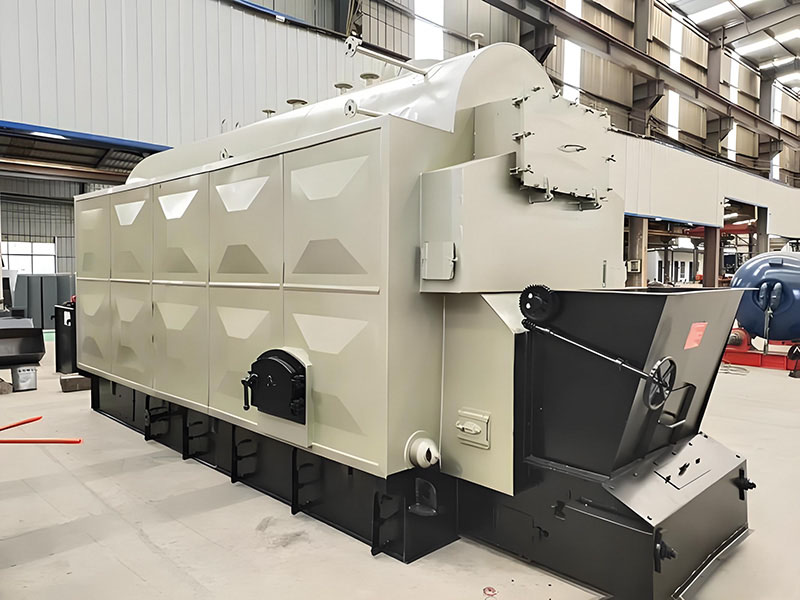
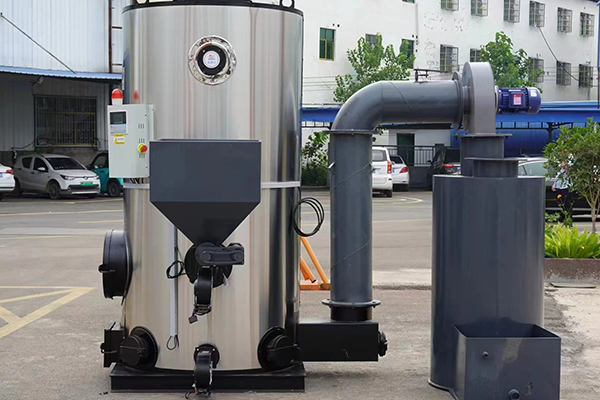
Vertical boilers reduce manufacturing cost because of simpler heat exchange surfaces and compact construction. Horizontal or chain-grate boilers require stronger frames and longer combustion chambers, increasing fabrication time and material consumption.
2. Steam Pressure Requirement
Higher pressure demands thicker steel plates and stricter welding standards. Increasing pressure from 0.7 MPa to 1.25 MPa can raise manufacturing cost by 10–25% even though steam capacity remains unchanged.
3. Combustion Automation
Manual coal feeding lowers initial investment but increases labor demand. Automated feeding systems improve combustion stability and fuel efficiency, which often reduces long-term operating cost despite higher purchase price.
4. Emission Control Equipment
Many industrial regions require dust collection or emission reduction systems. Adding cyclone separators, multi-tube collectors, or filtration devices increases upfront investment but ensures regulatory compliance.
Estimated Total Project Cost (Not Just Boiler Price)
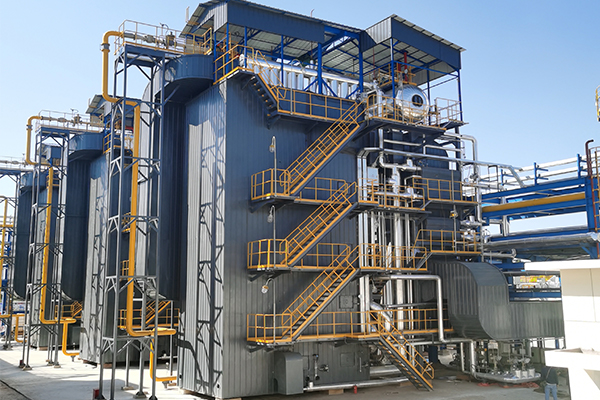
Industrial buyers often focus only on boiler price, but the boiler itself represents only part of the investment. A functional steam system includes multiple supporting components.
| Project Component | Estimated Cost Range |
|---|---|
| Boiler Unit | $9,000 – $24,000 |
| Water Treatment System | $1,000 – $3,000 |
| Coal Feeding & Storage | $1,500 – $4,000 |
| Tubo de lámpara & Flue System | $1,000 – $2,500 |
| Instalación & Puesta en servicio | $2,000 – $6,000 |
Total Estimated Investment: $14,000 – $35,000
Fuel Consumption and Operating Cost
A properly tuned 1 ton coal fired steam boiler typically consumes around 150–170 kg of coal per hour under standard operating conditions. Actual consumption depends on coal quality, moisture content, and boiler efficiency.
- Average coal consumption: 0.15–0.17 tons/hour
- Typical operating efficiency: 75–82%
- Stable operation hours: 6,000 horas/año (industrial average)
Coal boilers remain economically attractive in regions where gas infrastructure is limited or fuel supply stability is a concern. The ability to use locally sourced fuel often outweighs higher labor requirements.
Where 1 Ton Coal Boilers Are Commonly Used
- Procesamiento de alimentos workshops
- Textile dyeing factories
- Small chemical plants
- Brick and construction material production
- Rural industrial facilities
These industries typically require stable but moderate steam output, making the 1 ton configuration a practical entry-level industrial solution.
Coal Boiler vs Gas Boiler: Cost Perspective
| Factor | Caldera de carbón | Caldera de gas |
|---|---|---|
| Initial Equipment Cost | Más bajo | Más alto |
| Fuel Flexibility | Alto | Dependent on gas supply |
| Nivel de automatización | Medio | Alto |
| Maintenance Labor | Más alto | Más bajo |
| Emission Cleanliness | Moderado | Combustión más limpia |
es un 1 Ton Coal Boiler Still a Good Investment in 2026?
For factories located in regions with affordable coal resources and limited natural gas infrastructure, a 1 ton coal fired boiler remains a cost-effective steam generation solution. The relatively low initial investment and fuel flexibility make it attractive for developing industrial markets. Sin embargo, buyers should evaluate labor availability, regulaciones ambientales, and long-term fuel pricing before final selection.

If you would like to learn more about the detail of coal boilers, por favor contactame. Puedo proporcionarle un plan personalizado y enviarle una cotización gratuita.. WhatsApp: +86 138 3822 5665
Preguntas frecuentes
How long does a 1 ton coal boiler last?
Con un adecuado tratamiento y mantenimiento del agua., industrial coal boilers typically operate for 12–18 years under normal working conditions.
Is coal cheaper than gas for steam production?
In many regions coal offers lower fuel cost per unit of heat, especially where natural gas supply is unstable or expensive.
What affects coal boiler efficiency the most?
Calidad del combustible, combustion air control, and regular cleaning of heat exchange surfaces have the largest impact on efficiency.
Can a coal boiler be upgraded later?
Sí. Automation systems, emission equipment, and economizers can often be added as operational requirements change.


