
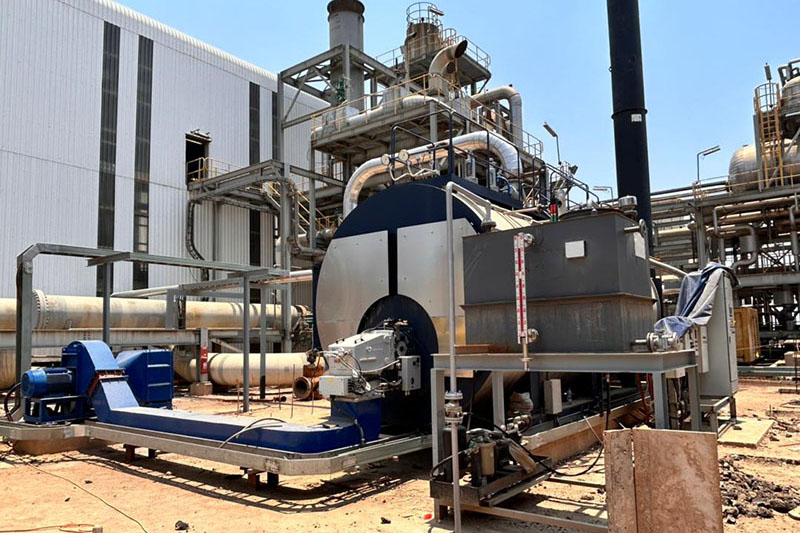
در 2026, دیگ های بخار معمولاً به دلیل فشار کاری بالاتر هزینه کل بالاتری نسبت به دیگ های آب گرم دارند, الزامات ایمنی سخت تر, و افزایش مصرف سوخت. برای پروژه های صنعتی با تقاضای گرمای فرآیند مداوم, دیگ های بخار قابلیت فرآیند قوی تری را ارائه می دهند, در حالی که دیگهای آب گرم راه حلی با هزینه کمتر برای کاربردهای گرمایش ارائه می کنند.
این مقاله دیگ های بخار و دیگ های آب گرم را از منظر هزینه کل مقایسه می کند, پوشش قیمت تجهیزات, هزینه نصب, هزینه های عملیاتی, و ملاحظات نگهداری طولانی مدت.
1. مقایسه هزینه تجهیزات
دیگ های بخار نیاز به مخازن با درجه فشار دارند, سوپاپ های اطمینان, و سیستم های کنترل پیچیده تر, که هزینه ساخت را در مقایسه با دیگ های آب گرم افزایش می دهد.
| نوع دیگ بخار | قیمت تجهیزات معمولی محدوده (USD) | سطح هزینه |
|---|---|---|
| دیگ بخار | 10,000 – 180,000+ | بالاتر |
| دیگ آب گرم | 8,000 – 120,000 | پایین تر |
با افزایش ظرفیت دیگ, شکاف هزینه بین دیگ های بخار و آب گرم بیشتر می شود.
2. تفاوت هزینه نصب
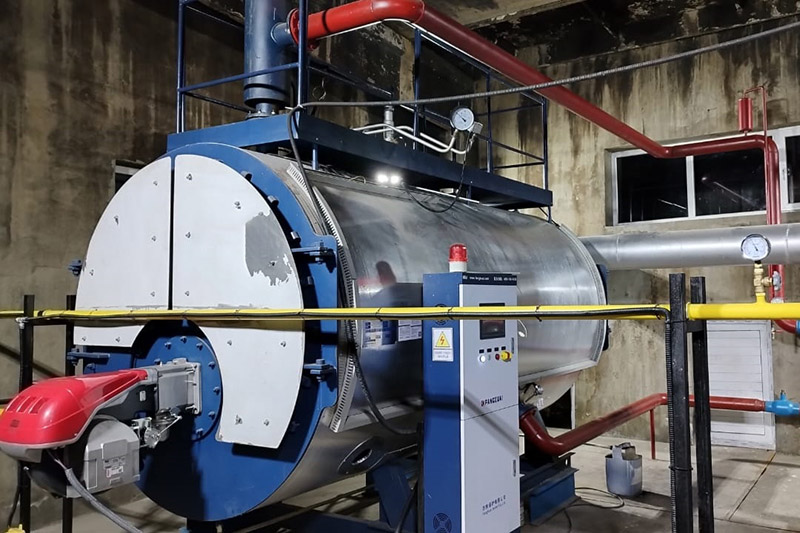
نصب دیگ بخار به طور کلی به دلیل استانداردهای ایمنی بالاتر پیچیده تر است, لوله کشی فشار, و الزامات بازرسی.
- دیگ بخار
هزینه نصب معمولاً 20 تا 40 درصد قیمت تجهیزات دیگ بخار را تشکیل می دهد. - دیگ های آب گرم
هزینه نصب معمولاً 15 تا 30 درصد قیمت تجهیزات دیگ بخار را تشکیل می دهد.
پروژه هایی که نیاز به جوشکاری تایید شده دارند, بازرسی شخص ثالث, یا گواهی های فشار خاص باعث افزایش بیشتر هزینه های نصب دیگ بخار می شود.
3. مقایسه هزینه عملیاتی
تفاوت هزینه های عملیاتی بین دیگ های بخار و آب گرم عمدتاً ناشی از تلفات حرارتی است, فشار سیستم, و راندمان بازیابی میعانات.
- دیگ بخار
مصرف سوخت بیشتر به دلیل تلفات گرمای نهان, الزامات انفجار, و تلفات توزیع بخار. - دیگ های آب گرم
مصرف سوخت کمتر, به ویژه در سیستم های گرمایش حلقه بسته با دمای برگشت پایدار.
در کاربردهایی که بخار به شدت مورد نیاز نیست, دیگ های آب گرم می توانند هزینه های سوخت سالانه را به میزان قابل توجهی کاهش دهند.
4. هزینه های نگهداری و انطباق
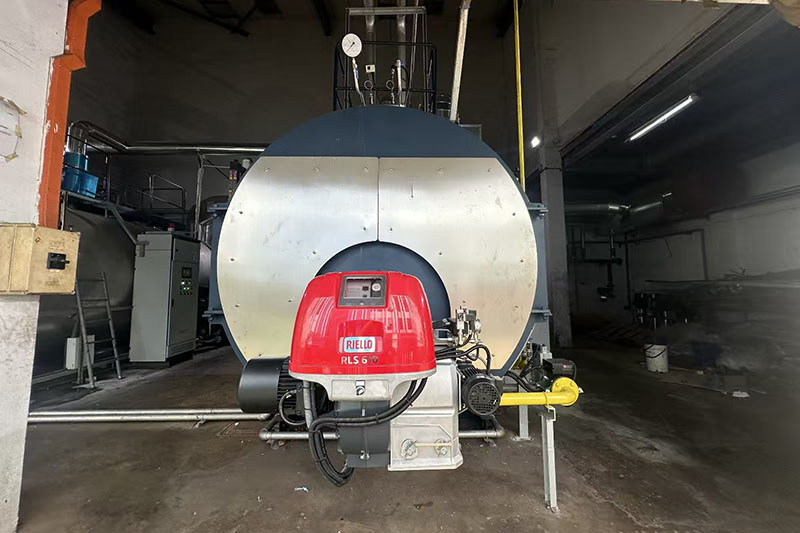
دیگ های بخار تحت فشار و دمای بالاتر کار می کنند, منجر به بازرسی های مکرر و الزامات نگهداری سخت تر می شود.
| عامل هزینه | دیگ بخار | دیگ آب گرم |
|---|---|---|
| فرکانس بازرسی | بالا | متوسط |
| تقاضای تصفیه آب | بالا | متوسط |
| سطح مهارت تعمیر و نگهداری | بالاتر | پایین تر |
در طول عمر طولانی, این هزینه های انطباق و نگهداری به طور قابل توجهی به کل هزینه مالکیت کمک می کند.
5. تصمیم گیری هزینه بر اساس برنامه معمولی
انتخاب بین دیگ بخار و دیگ آب گرم باید بر اساس الزامات فرآیند انجام شود و نه هزینه اولیه به تنهایی..
- دیگ بخار برای فرآیندهای صنعتی مانند استریلیزاسیون مناسب ترند, واکنش های شیمیایی, فرآوری مواد غذایی, و تولید نساجی.
- دیگ های آب گرم برای گرمایش فضا مقرون به صرفه تر هستند, گرمایش منطقه ای, و گرمایش فرآیند در دمای پایین.
6. کل هزینه از دیدگاه مالکیت
هنگامی که در طول عمر 10 تا 20 ساله ارزیابی می شود, دیگهای آب گرم معمولاً هزینه کل مالکیت کمتری را برای کاربردهای متمرکز بر گرمایش ارائه می دهند. دیگ بخار, در حالی که گران تر است, قابلیتهای فرآیندی را ارائه میکند که نمیتوان آنها را با سیستمهای آب گرم در بسیاری از صنایع جایگزین کرد.

نتیجه گیری: دیگ های بخار و دیگ های آب گرم برای اهداف صنعتی مختلف خدمت می کنند. دیگ های بخار شامل تجهیزات بالاتری هستند, نصب, و هزینه های عملیاتی, در حالی که دیگ های آب گرم راه حل اقتصادی تری را در مواردی که نیاز به بخار نیست ارائه می دهند. درک تفاوت هزینه کل به خریداران صنعتی کمک می کند تا مناسب ترین سیستم را برای عملیات طولانی مدت انتخاب کنند.
اگر در حال برنامه ریزی یک پروژه دیگ بخار صنعتی هستید, توصیه می شود برای اطمینان از بهره وری بهینه و صرفه جویی در هزینه های طولانی مدت، یک راه حل سفارشی بر اساس منبع سوخت و تقاضای تولید خود درخواست کنید.. واتس اپ: +86 138 3822 5665


