
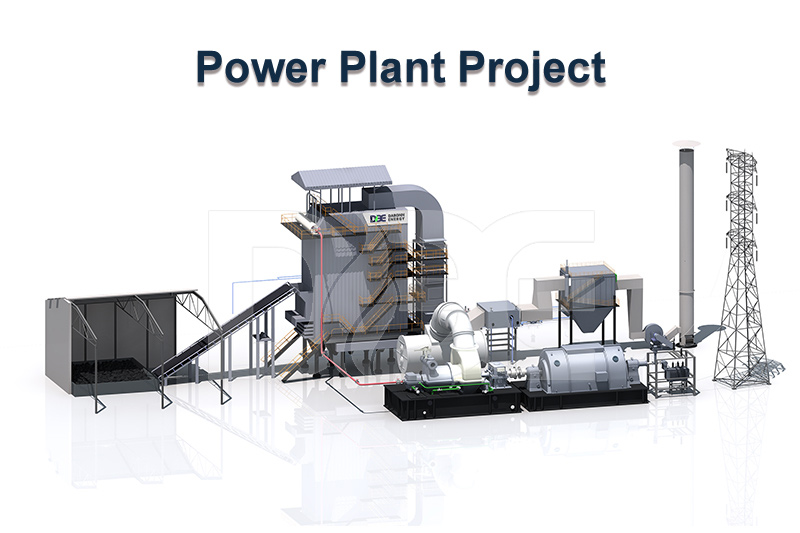
الف پروژه نیروگاه یک پروژه مهندسی است که برای تولید برق از طریق تبدیل منابع مختلف انرژی به برق طراحی شده است. یک پروژه کامل تولید برق معمولاً شامل سیستم های تامین سوخت می شود, دیگهای بخار, توربین های بخار, ژنراتورها, تجهیزات کمکی, سیستم های الکتریکی, و سیستم های کنترل.
در بسیاری از نیروگاه های حرارتی, را دیگ صنعتی یکی از مهم ترین تجهیزات است زیرا انرژی سوخت را به بخار با دمای بالا و فشار بالا تبدیل می کند.. سپس بخار یک توربین متصل به ژنراتور را برای تولید برق به حرکت در می آورد.
با افزایش تقاضا برای انرژی قابل اعتماد و پایدار, مدرن پروژه های نیروگاهی به سمت بهره وری بالاتر در حال توسعه هستند, مصرف سوخت پاک تر, و یکپارچه سازی انرژی های تجدیدپذیر. فناوری هایی مانند بویلرهای زیست توده, دیگ های گاز سوز, دیگ های حرارتی هدر رفته, و بستر سیال در گردش (CFB) دیگهای بخار به طور گسترده در برنامه های مختلف تولید برق استفاده می شود.
پروژه نیروگاه چیست؟?
الف پروژه نیروگاه به برنامه ریزی اشاره دارد, طراحی, ساخت و ساز, نصب, و بهره برداری از تاسیساتی که برق تولید می کند. این پروژهها میتوانند از نیروگاههای کوچک توزیعشده تا نیروگاههای بزرگ مقیاس باشند.
فرآیند کار اساسی یک پروژه تولید برق حرارتی است:
سوخت → دیگ بخار → بخار → توربین بخار → ژنراتور → برق
سوخت در داخل دیگ سوزانده می شود تا انرژی گرمایی آزاد شود. دیگ این گرما را به آب منتقل می کند و بخار پرفشاری تولید می کند. بخار از طریق یک توربین منبسط می شود, ایجاد انرژی مکانیکی, که سپس توسط یک ژنراتور به انرژی الکتریکی تبدیل می شود.
یک کامل پروژه تولید برق به طور معمول شامل می شود:
- سیستم ذخیره سازی و جابجایی سوخت
- سیستم دیگ بخار صنعتی
- توربین بخار و ژنراتور
- سیستم تصفیه آب
- سیستم آب تغذیه
- سیستم خنک کننده
- سیستم کنترل الکتریکی
- تجهیزات حفاظت از محیط زیست
بسته به نوع سوخت و نیاز پروژه, فن آوری های مختلف دیگ بخار برای دستیابی به راندمان بالا و عملکرد پایدار انتخاب می شوند.
انواع پروژه های نیروگاهی
منابع انرژی مختلف نیاز به طرح های مختلف نیروگاه دارند. رایج ترین انواع آن عبارتند از نیروگاه های حرارتی, نیروگاه های زیست توده, کارخانه های تبدیل زباله به انرژی, و نیروگاه های گازسوز.
پروژه نیروگاه حرارتی
الف پروژه نیروگاه حرارتی با استفاده از انرژی گرمایی حاصل از احتراق سوخت، برق تولید می کند. نیروگاه های حرارتی سنتی عمدتا از زغال سنگ استفاده می کنند, روغن, یا گاز طبیعی به عنوان سوخت.
در این پروژه ها, دیگ بخار تجهیزات اصلی تبدیل حرارت است. یک ظرفیت بزرگ دیگ صنعتی سوخت را می سوزاند و بخار با فشار بالا تولید می کند, که به یک مولد توربین بخار عرضه می شود.
انواع بویلرهای رایج مورد استفاده در نیروگاه های حرارتی عبارتند از:
- دیگ بخار زغال سنگ
- دیگ بخار نفت
- دیگ بخار گازی
- دیگ CFB
مزایای نیروگاه های حرارتی عبارتند از:
- تولید برق پایدار
- ظرفیت تولید برق زیاد
- تکنولوژی بالغ
- مناسب برای کار مداوم
پروژه های مدرن انرژی حرارتی بر بهبود راندمان و کاهش انتشار گازهای گلخانه ای از طریق فناوری احتراق پیشرفته و سیستم های کنترل انتشار تمرکز دارند..
پروژه نیروگاه زیست توده
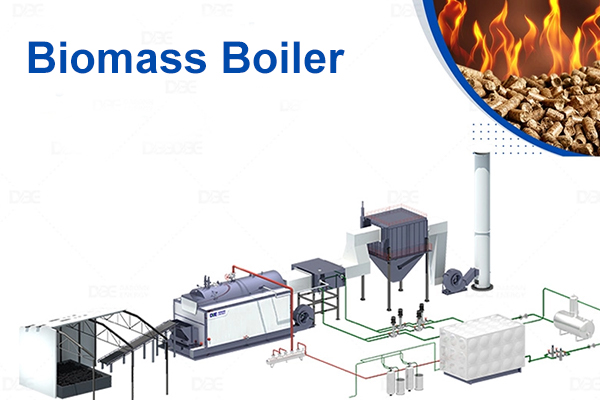
الف پروژه نیروگاه زیست توده از مواد آلی تجدید پذیر برای تولید برق استفاده می کند. در مقایسه با سوخت های فسیلی سنتی, انرژی زیست توده با استفاده از ضایعات کشاورزی و جنگلداری راه حل تمیزتری را ارائه می دهد.
سوخت های زیست توده رایج عبارتند از:
- تراشه های چوب
- پوسته برنج
- پوسته نخل
- نی
- بلال ذرت
- گلوله های زیست توده
تجهیزات کلیدی در این پروژه ها می باشد دیگ زیست توده. دیگ بخار زیست توده به طور ویژه برای سوزاندن انواع مختلف سوخت زیست توده و تبدیل گرمای آزاد شده به بخار طراحی شده است..
مزایای اصلی تولید برق بویلر زیست توده عبارتند از:
استفاده از انرژی های تجدیدپذیر
سوخت های زیست توده منابع تجدیدپذیری هستند که می توانند وابستگی به سوخت های فسیلی را کاهش دهند.
کاهش ضایعات
زباله های کشاورزی مانند پوسته برنج و کاه را می توان به جای سوزاندن یا دور ریختن به انرژی ارزشمند تبدیل کرد..
انتشار کربن کمتر
تولید انرژی زیست توده می تواند به کاهش انتشار گازهای گلخانه ای در مقایسه با نیروگاه های سوخت فسیلی معمولی کمک کند.
برای صنایع با منابع زیست توده موجود, یک پروژه نیروگاه زیست توده می تواند هم استقلال انرژی و هم مزایای اقتصادی داشته باشد.
پروژه نیروگاه زباله به انرژی
الف پروژه نیروگاه تبدیل زباله به انرژی زباله های شهری یا صنعتی را از طریق فناوری احتراق و بازیابی حرارت به برق تبدیل می کند.
فرآیند شامل:
- جمع آوری و آماده سازی زباله
- احتراق زباله
- بازیابی گرما از طریق دیگ بخار حرارتی زباله
- تولید بخار
- تولید برق
را دیگ حرارت اتلاف با بازیابی گرما از گازهای حاصل از احتراق و تبدیل آن به بخار قابل استفاده، نقش کلیدی ایفا می کند.
مزایای پروژه های تبدیل زباله به انرژی عبارتند از:
- کاهش حجم زباله
- تولید انرژی های تجدیدپذیر
- کاهش تقاضای دفن زباله
- بهبود مدیریت زیست محیطی
پروژه نیروگاه گازی
الف پروژه نیروگاه گازی از گاز طبیعی یا سایر سوخت های گازی برای تولید برق استفاده می کند.
سیستم های گازسوز به دلیل فراهم کردن امکانات بسیار مورد استفاده قرار می گیرند:
- قابلیت راه اندازی سریع
- راندمان احتراق بالا
- انتشار کمتر در مقایسه با زغال سنگ
- عملیات انعطاف پذیر
در برخی از کاربردهای صنعتی, دیگ های گاز سوز همراه با سیستم های توربین بخار برای تولید برق و تامین بخار فرآیند استفاده می شود.
برای حرارت و برق ترکیبی (CHP) برنامه های کاربردی, دیگ های گاز و سیستم های بخار می توانند هم برق و هم گرمای صنعتی را تامین کنند, بهبود مصرف کلی انرژی.
تجهیزات اصلی در پروژه نیروگاهی
یک پروژه نیروگاه موفق به تجهیزات قابل اعتماد و کارآمد نیاز دارد. در میان تمام اجزا, سیستم دیگ بخار یکی از حیاتی ترین قطعات است.
دیگ صنعتی
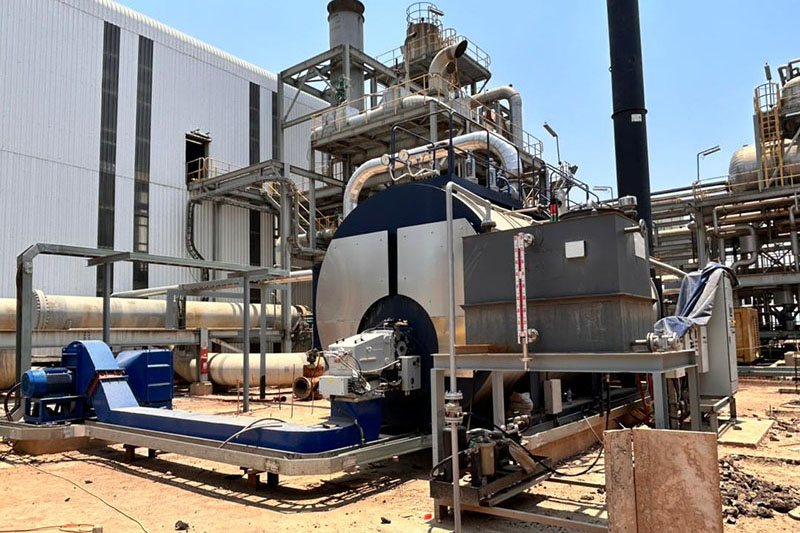
یک دیگ صنعتی قلب بسیاری از سیستم های تولید برق است. وظیفه اصلی آن تبدیل انرژی شیمیایی از سوخت به انرژی حرارتی و تولید بخار است.
دیگ های صنعتی مورد استفاده در نیروگاه ها معمولاً نیاز دارند:
- راندمان بالا
- خروجی بخار پایدار
- سازگاری قوی با سوخت
- عمر طولانی
- عملکرد ایمنی قابل اعتماد
انواع دیگ های صنعتی رایج عبارتند از:
دیگ بخار بیوماس
الف دیگ بخار بیوماس برای سوخت های تجدیدپذیر مانند خرده چوب طراحی شده است, پوسته برنج, و بقایای کشاورزی.
دیگ CFB
الف دیگ بستر سیال در گردش (دیگ CFB) انعطاف پذیری سوخت عالی و راندمان احتراق بالا را فراهم می کند, آن را برای زغال سنگ مناسب می کند, زیست توده, و سوخت های بی کیفیت.
دیگ بخار گازی
الف دیگ بخار گاز از گاز طبیعی یا LPG به عنوان سوخت استفاده می کند و تولید بخار تمیز و کارآمد را فراهم می کند.
چگونه یک دیگ صنعتی در یک نیروگاه کار می کند?
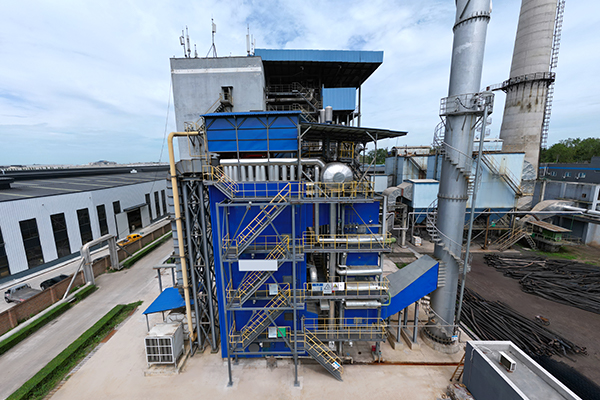
اصول کار دیگ صنعتی در نیروگاه را می توان به چهار مرحله تقسیم کرد:
1. احتراق سوخت
سوخت وارد محفظه احتراق می شود و در آنجا می سوزد و انرژی گرمایی آزاد می کند.
2. انتقال حرارت
گرمای تولید شده از احتراق از طریق سطوح گرمایش دیگ به آب منتقل می شود.
3. تولید بخار
آب گرم شده به بخار با دمای بالا و فشار بالا تبدیل می شود.
4. تولید برق
بخار وارد توربین می شود و پره های توربین را می چرخاند. ژنراتور متصل انرژی مکانیکی را به الکتریسیته تبدیل می کند.
این فرآیند به پروژه نیروگاه اجازه می دهد تا انرژی سوخت را به توان الکتریکی قابل استفاده تبدیل کند.
به دنبال دیگ بخار برای پروژه نیروگاه?
با ما تماس بگیرید امروز برای یک پروژه نیروگاهی و ارزیابی رایگان بهره وری انرژی. تیم مهندسی متخصص ما از طراحی تا نصب پشتیبانی کامل را ارائه می دهد.
فرآیند ساخت پروژه نیروگاهی
یک کامل پروژه ساخت نیروگاه معمولا شامل چندین مرحله مهم است.
1. مطالعه امکان سنجی
قبل از شروع ساخت, مهندسان تجزیه و تحلیل می کنند:
- تقاضای انرژی
- در دسترس بودن سوخت
- محل پروژه
- هزینه سرمایه گذاری
- الزامات زیست محیطی
مطالعه امکان سنجی مناسب ترین نوع نیروگاه و فناوری را تعیین می کند.
2. طراحی مهندسی
در مرحله طراحی, مهندسان انتخاب می کنند:
- نوع دیگ بخار
- ظرفیت دیگ بخار
- پارامترهای بخار
- مشخصات توربین
- سیستم های الکتریکی
طراحی حرفه ای عملکرد قابل اعتماد و سرمایه گذاری بهینه را تضمین می کند.
3. ساخت تجهیزات
پس از تایید طراحی, تجهیزات اصلی تولید می شود, از جمله:
- دیگ های صنعتی
- بویلرهای زیست توده
- توربین های بخار
- ژنراتورها
- سیستم های کمکی
با تجربه تولید کنندگان دیگ بخار ارائه بازرسی و تست کیفیت قبل از تحویل.
4. نصب و راه اندازی
مرحله نهایی شامل:
- نصب تجهیزات
- اتصال خط لوله
- یکپارچه سازی الکتریکی
- تست سیستم
- آموزش اپراتور
پس از راه اندازی موفقیت آمیز, پروژه نیروگاه می تواند عملیات تجاری را آغاز کند.
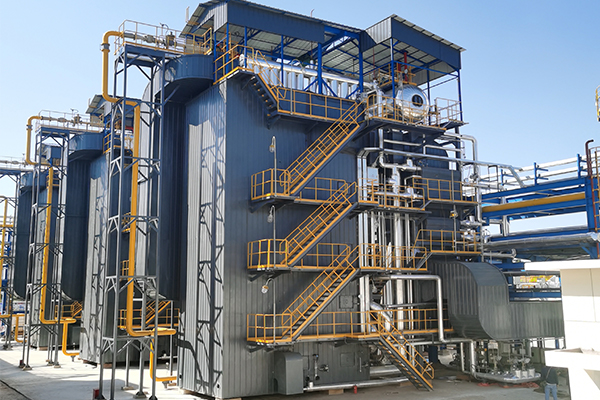
نحوه انتخاب دیگ بخار مناسب برای پروژه نیروگاه?
انتخاب دیگ مناسب برای بهره وری پروژه و بهره برداری طولانی مدت ضروری است.
نوع سوخت
سوخت موجود، مناسب ترین تکنولوژی دیگ بخار را تعیین می کند.
نمونه ها:
- سوخت زیست توده → دیگ بیوماس
- گاز طبیعی → دیگ بخار گازی
- زغال سنگ → دیگ بخار زغال سنگ یا دیگ CFB
- ضایعات صنعتی ← دیگ بخار حرارتی زباله
ظرفیت تولید برق
ظرفیت دیگ بخار باید با هدف تولید برق مطابقت داشته باشد.
عوامل شامل:
- تقاضای بخار
- ظرفیت توربین
- ساعات کار
- برنامه های توسعه آینده
راندمان و الزامات انتشار
پروژه های مدرن نیروگاهی نیازمند:
- راندمان حرارتی بالا
- مصرف سوخت کم
- انتشار آلاینده های کم
- رعایت استانداردهای زیست محیطی
فن آوری های احتراق پیشرفته به بهبود عملکرد و در عین حال کاهش هزینه های عملیاتی کمک می کند.
مزایای بویلرهای صنعتی پیشرفته در تولید برق
استفاده از تکنولوژی مدرن بویلر مزایای متعددی را برای پروژه های نیروگاهی فراهم می کند.
بهره وری انرژی بالاتر
دیگ های پیشرفته مصرف سوخت را به حداکثر می رساند و راندمان تولید برق را بهبود می بخشد.
گزینه های سوخت انعطاف پذیر
بویلرهای زیست توده مدرن و دیگ های CFB می توانند سوخت های مختلفی را اداره کنند, ارائه انعطاف پذیری عملیاتی بیشتر.
هزینه های عملیاتی کمتر
احتراق کارآمد باعث کاهش مصرف سوخت و هزینه های نگهداری می شود.
حفاظت از محیط زیست
فناوری احتراق تمیزتر به کاهش انتشار گازهای گلخانه ای کمک می کند و از توسعه پایدار انرژی پشتیبانی می کند.
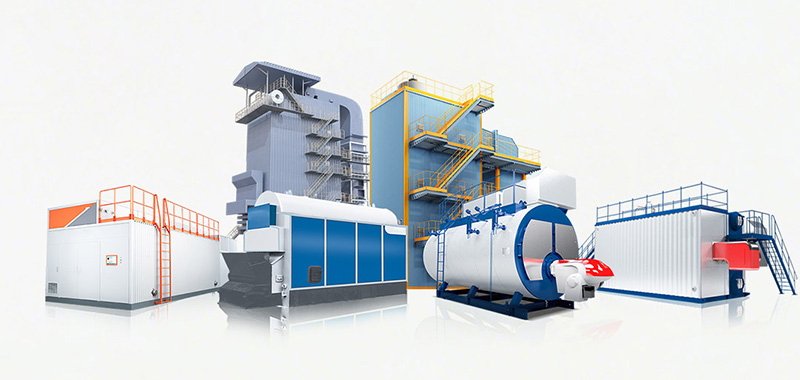
چرا انرژی دابون را برای پروژه های نیروگاهی انتخاب کنید؟?
Dabonn Energy راه حل های یکپارچه ای برای پروژه های نیروگاهی, از جمله دیگ های صنعتی, بویلرهای زیست توده, دیگ های بخار, و سیستم های انرژی کامل.
با تجربه حرفه ای در طراحی دیگ بخار, تولید, نصب, و راه اندازی, دابون انرژی با راه حل های سفارشی برای صنایع مختلف و انواع سوخت از مشتریان پشتیبانی می کند.
راه حل های تولید برق Dabonn Energy شامل::
- سیستم های دیگ بخار صنعتی
- محلول های نیروگاه زیست توده
- سیستم های بازیابی حرارت زباله
- تجهیزات کمکی بویلر
- خدمات کامل نیروگاه EPC
با ترکیب فناوری پیشرفته دیگ بخار با تخصص مهندسی, دابون انرژی به مشتریان کمک می کند تا به کارایی دست پیدا کنند, قابل اعتماد, و تولید برق پایدار.
نتیجه گیری
الف پروژه نیروگاه یک سیستم مهندسی پیچیده است که فناوری تبدیل انرژی را ترکیب می کند, تجهیزات تولید برق, و راهکارهای زیست محیطی.
در میان تمام تجهیزات, را دیگ صنعتی با تولید بخار برای تولید برق نقش کلیدی ایفا می کند. برنامه های مختلف نیاز به راه حل های متفاوتی دارند, از جمله بویلرهای زیست توده برای پروژه های انرژی تجدید پذیر, دیگ های گاز سوز برای تولید برق پاک, و دیگ های CFB برای عملکرد سوخت انعطاف پذیر.
با رشد مستمر تقاضای جهانی انرژی, فن آوری های کارآمد و پایدار دیگ بخار همچنان بخش اساسی پروژه های تولید برق آینده خواهد بود.
سوالات متداول (سوالات متداول)
پروژه نیروگاه چیست؟?
پروژه نیروگاهی یک پروژه مهندسی است که طراحی می کند, می سازد, و تاسیساتی را برای تولید برق از منابع مختلف انرژی راه اندازی می کند.
چه دیگ بخاری در نیروگاه استفاده می شود?
نیروگاه ها معمولاً از دیگ بخار صنعتی استفاده می کنند, بویلرهای زیست توده, دیگهای بخار زغال سنگ, دیگ های گاز سوز, و دیگ های CFB بسته به نوع سوخت و ظرفیت مورد نیاز.
دیگ بخار چگونه برق تولید می کند?
دیگ بخار با تولید بخار فشار بالا برق تولید می کند, که یک توربین بخار متصل به یک ژنراتور را به حرکت در می آورد.
نقش بویلر زیست توده در تولید برق چیست؟?
دیگ های زیست توده سوخت های تجدیدپذیر مانند خرده های چوب را می سوزاند, پوسته برنج, و زباله های کشاورزی برای تولید بخار برای تولید برق.
هزینه پروژه نیروگاه چقدر است؟?
هزینه به عواملی مانند ظرفیت توان بستگی دارد, نوع سوخت, انتخاب تجهیزات, مکان, الزامات ساخت و ساز, و استانداردهای زیست محیطی.


