
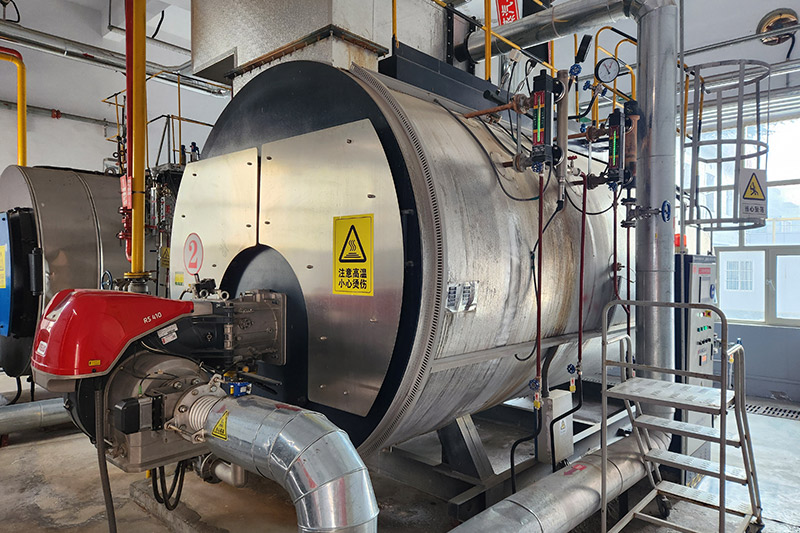
In most industrial applications, gas boilers offer lower long-term operating costs and higher efficiency compared to oil boilers, while oil boilers remain practical in regions without stable gas supply. Although initial equipment prices are similar, fuel cost differences significantly impact total ownership cost over 10–15 years.
Choosing between oil and gas boilers requires evaluating equipment cost, complessità di installazione, fuel pricing, efficiency levels, maintenance demand, and long-term return on investment.
1. Equipment Cost Comparison
Attrezzatura pricing for oil E caldaie a gas is generally comparable, with minor differences driven by burner systems and fuel handling configuration.
| Capacità | Oil Boiler Price (Dollaro statunitense) | Gas Boiler Price (Dollaro statunitense) |
|---|---|---|
| 0.5–2 Tonnellate/ora | $10,000 – $25,000 | $9,000 – $22,000 |
| 3–8 Tonnellate/ora | $25,000 – $85,000 | $20,000 – $75,000 |
| 10–20 Ton/ora | $85,000 – $190,000 | $70,000 – $170,000 |
Oil boilers may require additional fuel tank systems, while gas boilers require pipeline pressure regulation and gas safety controls.
2. Installation Cost Differences
Installation cost varies based on fuel infrastructure availability.
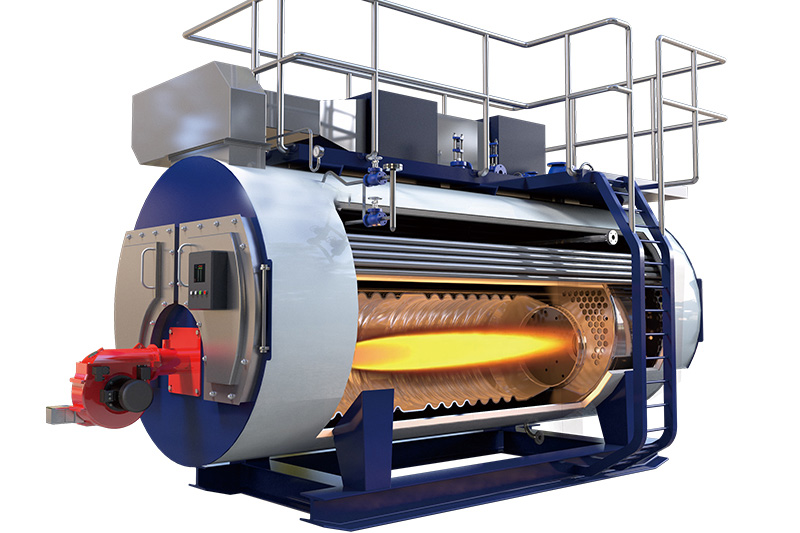
- Oil systems require storage tanks and fuel pumping systems.
- Gas systems require pipeline access and gas pressure regulators.
- If gas infrastructure already exists, installation cost is typically lower.
- If converting from oil to gas, additional modification costs apply.
3. Confronto di efficienza
| Tipo di caldaia | Typical Thermal Efficiency |
|---|---|
| Oil Fired Boiler | 80% – 88% |
| Gas Fired Boiler | 88% – 95% |
Modern gas burners allow more precise combustion control, resulting in higher efficiency and lower excess air requirements. This efficiency gap becomes financially significant in high-hour industrial operations.
4. Operating Cost Comparison
Fuel price is the most important factor affecting long-term cost. In many industrial markets, natural gas costs less per unit of energy than diesel or heavy oil.
Example scenario for a 5 ton boiler operating 7,000 ore all'anno:
- Oil annual fuel cost estimate: $280,000
- Gas annual fuel cost estimate: $220,000
- Estimated annual savings with gas: $60,000
In un periodo di 10 anni, the cumulative fuel savings may exceed $500,000 depending on price fluctuations.
5. Maintenance and Operational Differences
| Categoria | Caldaia a petrolio | Caldaia a gas |
|---|---|---|
| Burner Cleaning | More frequent | Less frequent |
| Movimentazione del carburante | Tank cleaning required | No fuel storage needed |
| Emission Control | Higher particulate emissions | Combustione più pulita |
| Costo di manutenzione | Moderate to High | Low to Moderate |
6. 10–15 Year Total Cost Perspective
Although oil boilers may have slightly higher or similar upfront cost compared to gas boilers, long-term fuel savings typically favor gas systems in regions with stable pipeline supply. For facilities operating continuously, fuel cost differences often outweigh equipment price differences within 2–4 years.
When Oil Boilers Make Sense
- No natural gas infrastructure
- Remote industrial sites
- Backup or dual-fuel redundancy requirements
- Short-term project operations
When Gas Boilers Are Preferred
- Numero elevato di ore di funzionamento annuali
- Stable gas supply availability
- Long-term cost optimization goals
- Norme più severe sulle emissioni
For facilities currently operating oil boilers, many are evaluating conversion to gas to reduce long-term fuel expenses and improve combustion efficiency.

If you would like to learn more about the differences between oil fired boilers and gas fired boilers, or need a customized solution, sentiti libero di contattaci for more free information. Whatsapp: +86 138 3822 5665

