
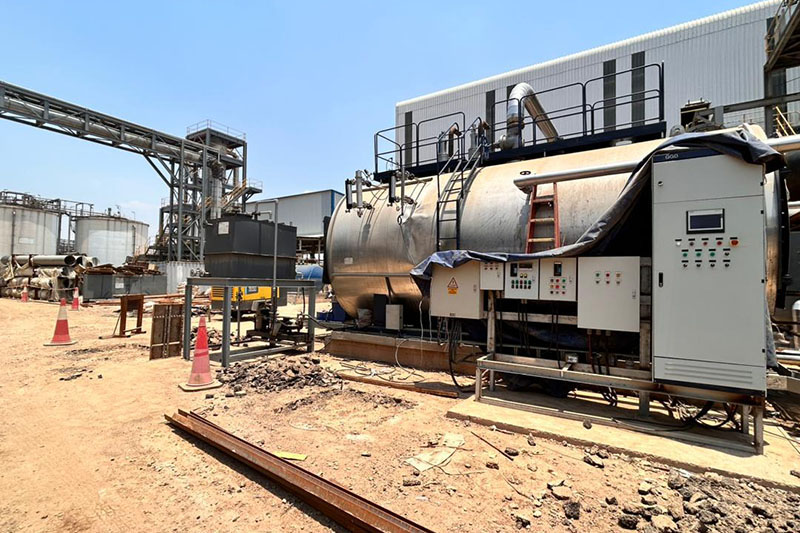
Industrial boiler installation is a structured engineering process that directly affects system safety, efficiency, and long-term operating cost. A standard installation typically includes site preparation, boiler positioning, auxiliary system connection, commissioning, and final inspection. When executed correctly, the entire process minimizes downtime and ensures stable boiler operation from day one.
Step 1: Boiler Room and Site Preparation
Before the boiler arrives on site, the boiler room must be prepared according to technical drawings and local regulations. This stage determines whether the installation can proceed smoothly or face delays.
- Confirm boiler room dimensions, floor load capacity, and access routes
- Prepare concrete foundation with anchor bolts embedded in advance
- Ensure ventilation openings, drainage points, and maintenance clearance
- Complete gas, water, power, and chimney interface reservations
Step 2: Boiler Positioning and Leveling
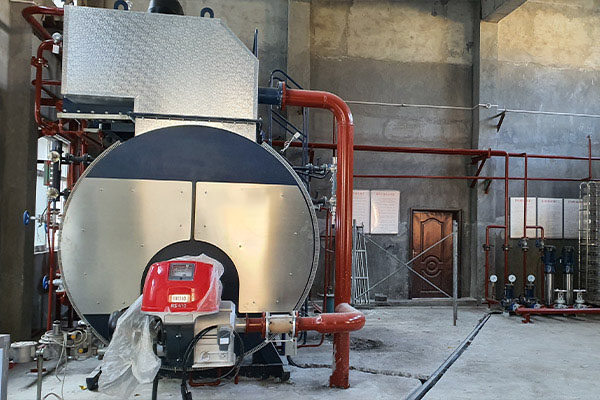
Once delivered, the boiler body is moved into position using forklifts or cranes. Accurate positioning is essential to prevent vibration, uneven stress, and long-term mechanical issues.
- Align boiler base with foundation anchor bolts
- Adjust horizontal and vertical leveling within tolerance range
- Secure boiler body after final position confirmation
Step 3: Connection of Main Systems
This step involves connecting the boiler to its core operating systems, forming a complete functional unit ready for commissioning.
- Steam outlet, blowdown line, and condensate return piping
- Feedwater supply system, water treatment equipment, and pumps
- Fuel supply system (gas train, oil piping, or solid fuel feeding)
- Electrical wiring, control cabinet, sensors, and safety interlocks
Step 4: Chimney and Exhaust System Installation
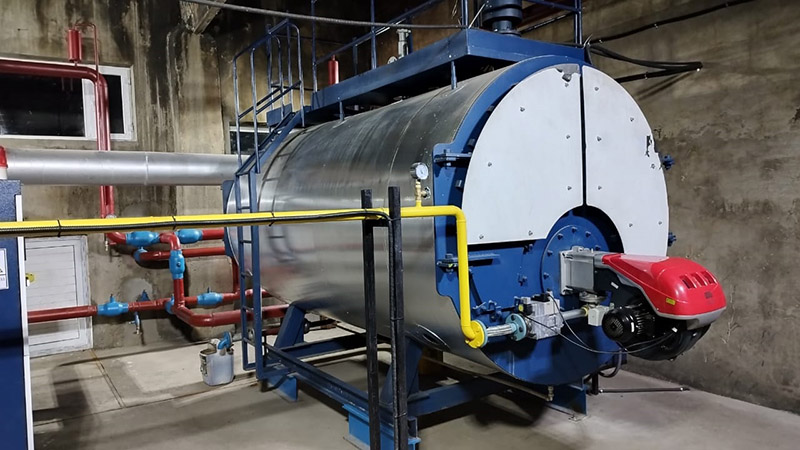
The exhaust system ensures safe discharge of flue gas and stable combustion. Poor chimney design can lead to back pressure, combustion instability, and efficiency loss.
- Install chimney according to calculated height and diameter
- Ensure airtight flue connections and thermal insulation
- Set inspection ports and condensate drainage where required
Step 5: Water Filling, Pressure Testing, and Inspection
Before ignition, the boiler system must be filled with treated water and undergo strict pressure and leakage testing.
- Fill system with qualified softened or demineralized water
- Conduct hydrostatic pressure test per design pressure
- Inspect welds, flanges, valves, and safety devices
Step 6: Boiler Commissioning and Trial Operation
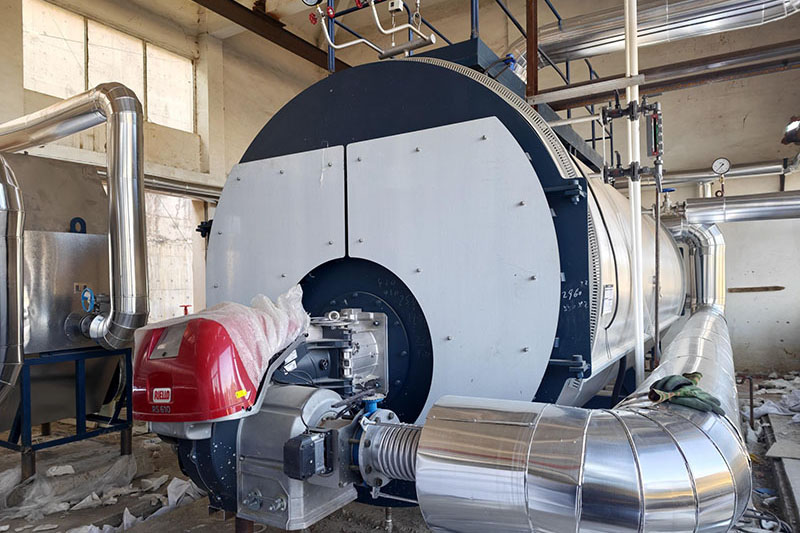
Commissioning verifies that the boiler operates safely under real conditions. This phase is usually performed by experienced engineers.
- Cold state inspection and control logic verification
- Ignition and low-load operation testing
- Gradual load increase to rated capacity
- Adjustment of combustion, pressure, and safety parameters
Typical Industrial Boiler Installation Timeline
| Installation Stage | Estimated Time | Key Focus |
|---|---|---|
| Site preparation | 3–7 days | Foundation, utilities, compliance |
| Boiler positioning | 1–2 days | Leveling and fixation |
| System connections | 5–10 days | Piping, fuel, electrical |
| Commissioning | 2–4 days | Safety and performance testing |
Final Acceptance and Documentation
After successful trial operation, the boiler installation enters final acceptance. This includes inspection records, test reports, operation manuals, and operator training. A properly documented installation reduces future maintenance risk and simplifies regulatory inspections.

For industrial users, a standardized installation process not only ensures compliance but also directly impacts boiler efficiency, fuel consumption, and service life over the next 10–20 years.
Contact us now to get a professional boiler solution and price list. WhatsApp: +8613838225665

