
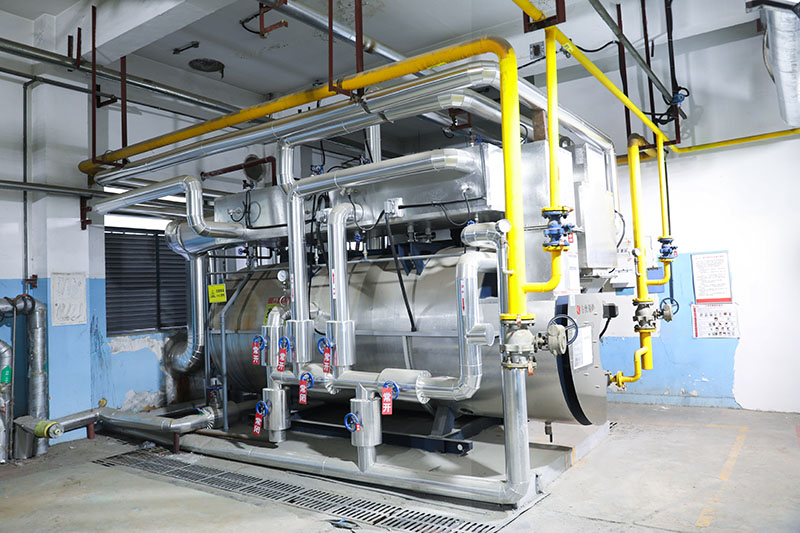
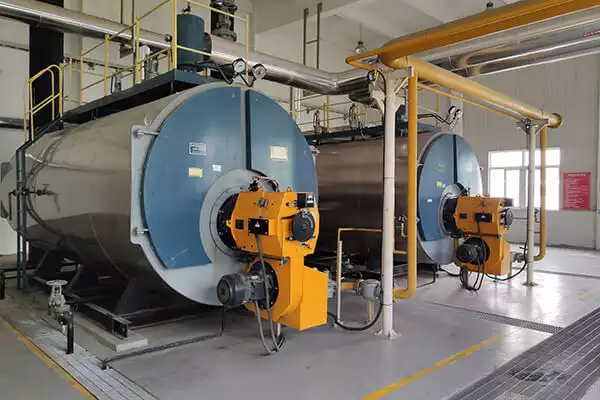
Most food processing plants require a 가스 증기 보일러 ranging from 1 에게 20 시간당 톤, depending on total steam demand, 영업시간, production scale, and future expansion plans. A properly sized boiler ensures stable pressure, 에너지 효율, and uninterrupted production.
Choosing the correct boiler size is critical. An undersized boiler causes steam pressure drops and production delays. An oversized boiler increases fuel consumption and capital investment. This guide explains how to determine the ideal capacity for your facility.
Why Steam Capacity Matters in Food Processing
Steam plays a central role in food manufacturing processes such as:
- Sterilization and pasteurization
- Cooking and blanching
- Cleaning-in-Place (CIP) systems
- Tank and reactor heating
- Drying and evaporation
Industries including dairy, beverage, meat processing, canned food, and frozen food production require stable and continuous steam supply.
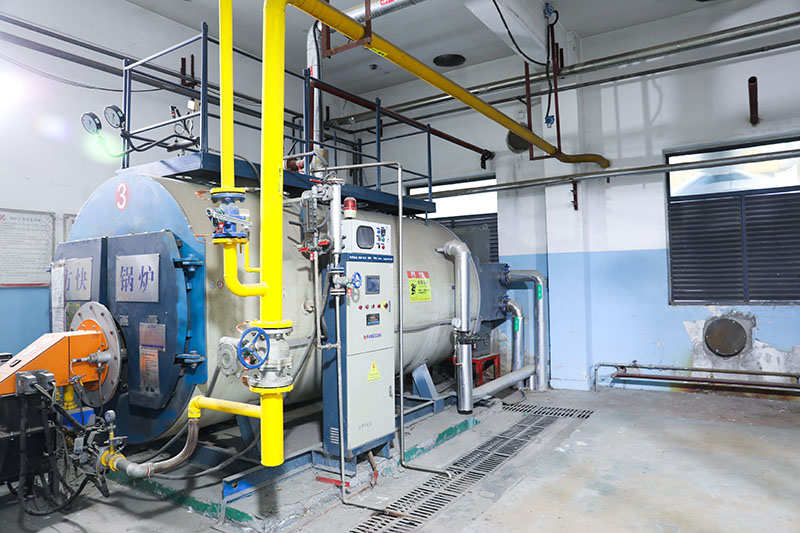
단계 1: Calculate Total Steam Demand
The first step is calculating total hourly steam consumption.
기본 공식
Total Steam Demand (kg/h) = Sum of Equipment Steam Consumption + 10–15% System Loss
계산 예
| 장비 | Steam Consumption (kg/h) |
|---|---|
| Sterilizer | 800 |
| Cooking Kettle | 600 |
| CIP System | 300 |
| Tank Heating | 400 |
| Total | 2,100 |
Add 15% safety margin:
2,100 × 1.15 = 2,415 kg/h
Recommended boiler size: 3 ton/hour gas steam boiler.
단계 2: Consider Future Expansion
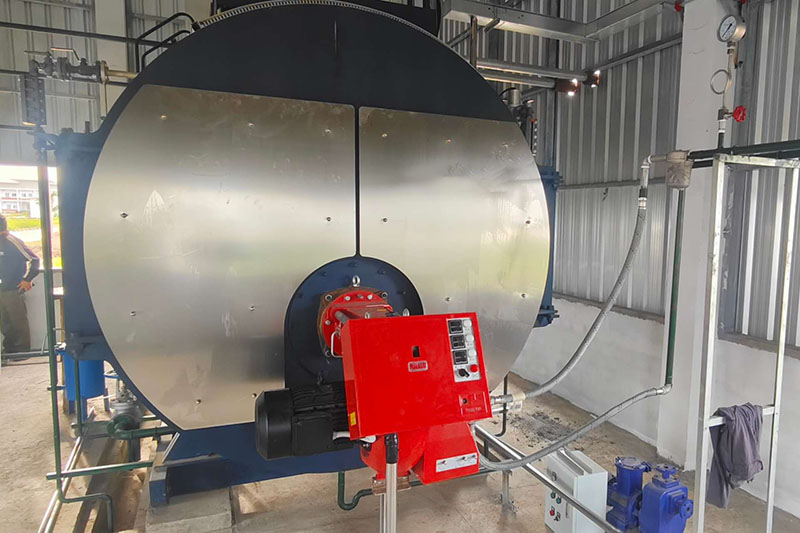
Many food factories expand production within 3–5 years. Planning capacity in advance prevents costly upgrades later.
- Add 20–30% extra capacity if expansion is expected
- Consider installing two smaller boilers instead of one large unit
예:
Instead of 1 × 6 ton boiler, consider 2 × 4 ton boilers for redundancy and flexible load control.
Recommended Boiler Sizes by Factory Scale
| Factory Type | Typical Boiler Capacity |
|---|---|
| Small bakery | 1–2 ton/hour |
| Medium dairy plant | 3–6 ton/hour |
| Large beverage factory | 6–15 ton/hour |
| Industrial food complex | 15–20+ ton/hour |
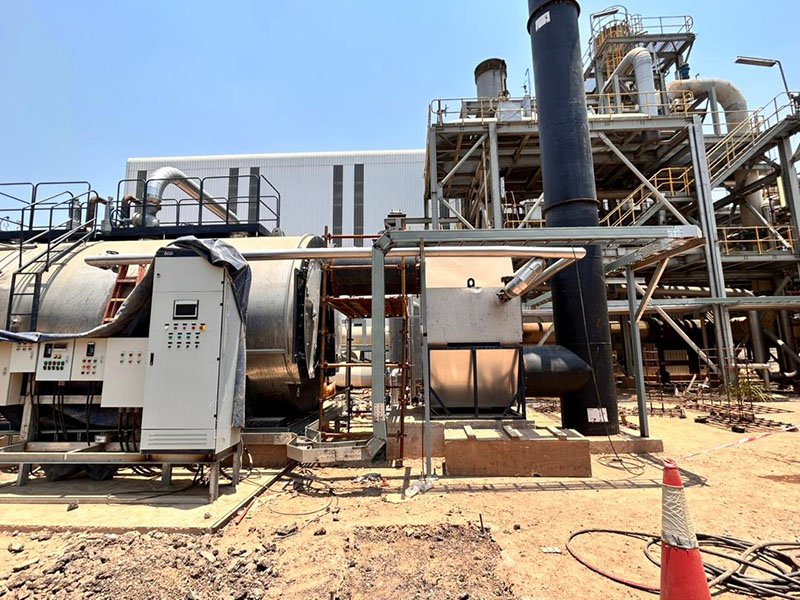
Steam Pressure Requirements
Most food processing applications require:
- 0.4 – 0.7 MPa for heating
- 0.7 – 1.0 MPa for sterilization
- 1.0 MPa+ for high-temperature processes
Selecting excessive pressure increases energy consumption unnecessarily.
Single Boiler vs Multiple Boilers
Single Large Boiler
- Lower initial installation cost
- Simpler piping system
- No backup during breakdown
Multiple Boilers
- Redundancy and higher reliability
- Better part-load efficiency
- Flexible operation
For continuous food production lines, dual-boiler systems are often recommended.
How to Avoid Undersizing or Oversizing
Undersized Boiler Signs:
- Steam pressure fluctuation
- Equipment not reaching target temperature
- Boiler constantly running at full load
Oversized Boiler Risks:
- Frequent start-stop cycles
- Reduced combustion efficiency
- Higher fuel costs
자주 묻는 질문
How long does a gas steam boiler last in a food factory?
With proper maintenance, industrial gas steam boilers typically last 15–20 years.
Is a 3-ton boiler enough for a medium food plant?
For many medium-sized dairy or packaged food facilities, 3–6 ton/hour boilers are common. Exact capacity depends on steam demand calculations.
Should I choose a high-efficiency boiler?
예. Modern gas boilers achieve 92–98% thermal efficiency, significantly reducing long-term fuel costs.

결론
To determine the correct gas steam boiler size for your food processing plant:
- 믿다 total steam consumption
- Add safety margin (10–15%)
- Consider future expansion
- Match correct pressure level
- Choose high-efficiency equipment
For most medium-scale food processing plants, 에이 3–6 ton/hour gas steam boiler provides reliable and energy-efficient steam supply.
If you provide your production capacity and equipment list, a customized boiler sizing solution can be developed to ensure long-term operational stability. 왓츠앱: +86 138 3822 5665

