
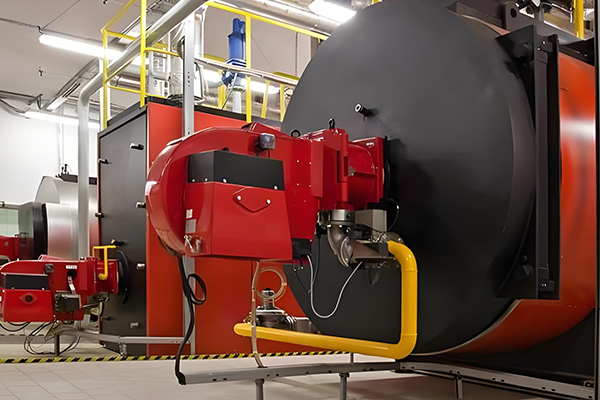
In most industrial applications, the payback period for replacing or upgrading an industrial boiler ranges from 2 to 6 years, depending on fuel savings, operating hours, efficiency improvement, and installation cost. High-efficiency gas boilers operating more than 6,000 hours per year often achieve payback in under 3 years.
Understanding industrial boiler payback period is critical for capital investment decisions because equipment cost alone does not determine long-term profitability. The real financial impact comes from fuel savings, maintenance reduction, and improved operational reliability.
What Is Boiler Payback Period?
The payback period measures how long it takes for annual savings to recover the initial investment cost of a new boiler system.
Basic Formula:
Payback Period (years) = Total Investment Cost ÷ Annual Savings
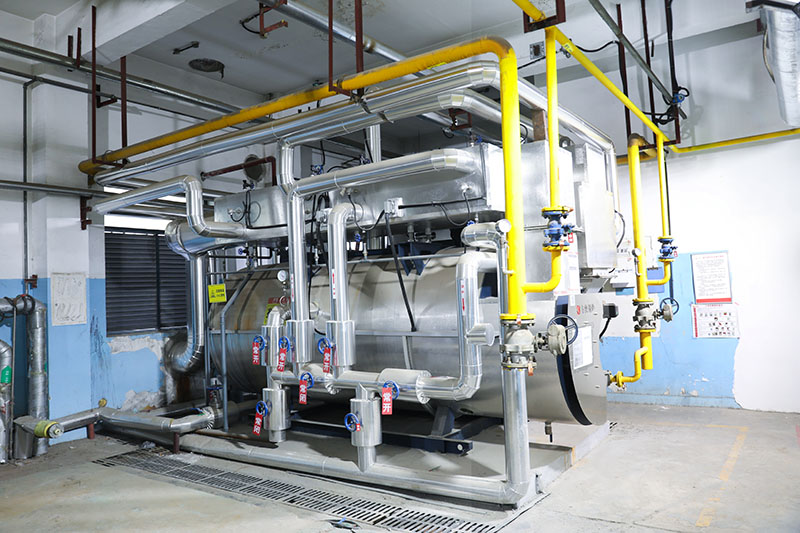
Main Factors Affecting Payback Period
- Initial equipment and installation cost
- Boiler efficiency improvement (%)
- Annual operating hours
- Fuel price
- Maintenance cost reduction
- Downtime reduction and production stability
Example Calculation: 5 Ton Gas Steam Boiler Upgrade
Assume a factory replaces an old 75% efficiency boiler with a new 92% efficiency gas boiler.
- Boiler replacement investment: $120,000
- Annual operating hours: 7,000 hours
- Fuel cost per year (old boiler): $280,000
- Efficiency improvement: 17%
Estimated annual fuel savings: $280,000 × 17% ≈ $47,600
Estimated maintenance savings: $10,000 per year
Total annual savings ≈ $57,600
Payback Period = $120,000 ÷ $57,600 ≈ 2.1 years
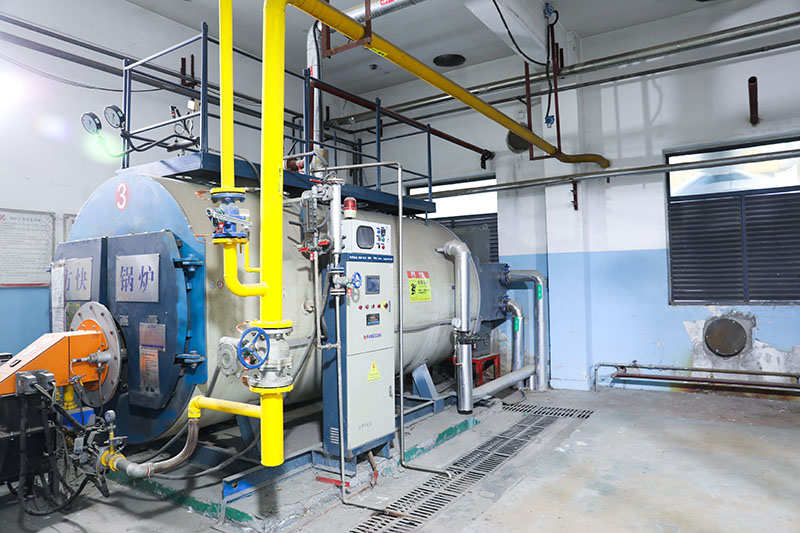
Typical Payback Period by Boiler Type
| Boiler Type | Efficiency Gain Potential | Typical Payback Period |
|---|---|---|
| Gas Boiler (Efficiency Upgrade) | 10%–20% | 2–4 Years |
| Oil to Gas Conversion | 15%–25% | 2–5 Years |
| Coal to Gas Conversion | 20%–30% | 3–6 Years |
| Biomass Installation | Fuel Cost Driven | 3–7 Years |
| Electric Boiler Installation | Low Maintenance | 4–8 Years |
How Operating Hours Impact Payback
Facilities running boilers more than 6,000 hours annually typically achieve faster payback because fuel savings accumulate quickly. Low-utilization facilities (below 3,000 hours per year) may experience longer recovery periods.
10-Year Financial Perspective
Although the initial investment may seem significant, over a 10-year period a high-efficiency boiler can reduce total fuel expenses by hundreds of thousands of dollars. Even small efficiency improvements generate compounding savings in continuous industrial operations.
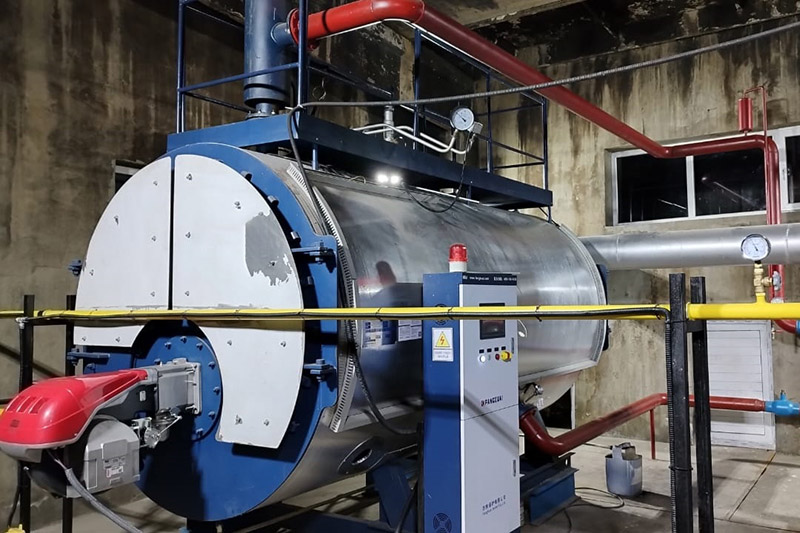
When Replacement Makes Financial Sense
- Boiler efficiency below 80%
- Frequent maintenance downtime
- Rising fuel costs
- Stricter emission regulations
- Spare parts becoming unavailable

In high-energy industries such as food processing, textiles, chemicals, and manufacturing, boiler upgrades are often one of the fastest-return capital investments available.
Contact us now to get a professional boiler solution and price list. WhatsApp: +8613838225665

