
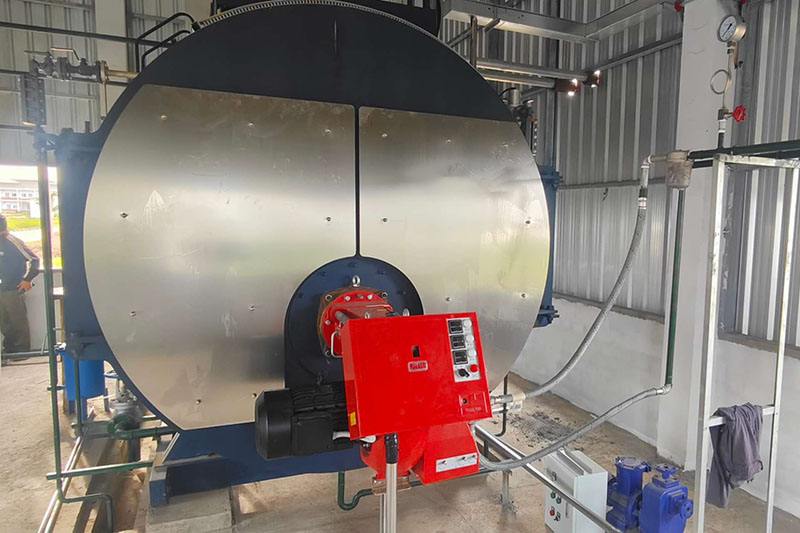
In 2026, gas-fired industrial boilers generally offer the best balance between equipment cost and operating expense. Oil-fired boilers have higher fuel costs, biomass boilers require higher initial investment but lower fuel spending, and electric boilers have the lowest installation complexity but the highest long-term energy cost in most regions.
Understanding how boiler cost varies by fuel type is essential for industrial buyers because fuel choice affects not only equipment price, but also installation complexity, maintenance demand, and total lifecycle cost.
1. Gas-Fired Industrial Boiler Cost
Gas boilers are widely used in manufacturing, food processing, textile, and chemical industries due to their clean combustion and high efficiency.
- Equipment cost: Medium
- Installation cost: Low to Medium
- Fuel cost: Low to Medium (depending on regional gas pricing)
- Maintenance level: Low
Gas boilers typically require a stable gas supply system, pressure regulation equipment, and safety shut-off devices, but they do not need solid fuel handling or ash removal systems, which keeps installation relatively simple.
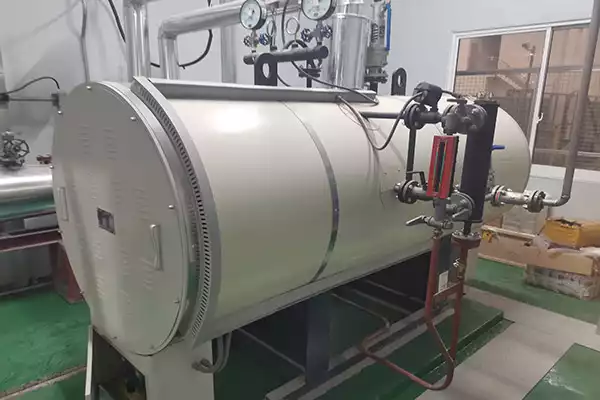
2. Oil-Fired Industrial Boiler Cost
Oil-fired boilers are often selected in regions where natural gas infrastructure is unavailable, but they usually face higher fuel price volatility.
- Equipment cost: Medium
- Installation cost: Medium
- Fuel cost: High
- Maintenance level: Medium
Additional costs may include fuel storage tanks, oil pumps, filtration systems, and spill protection measures, increasing both installation and long-term operational expenses.
3. Biomass Industrial Boiler Cost
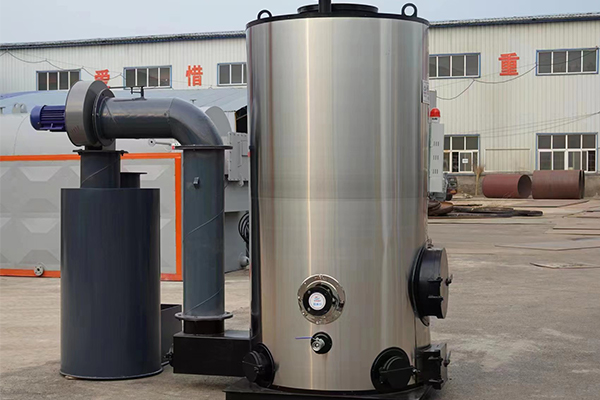
Biomass boilers can offer lower fuel costs in regions with abundant agricultural or wood waste, but they require more complex auxiliary systems.
- Equipment cost: High
- Installation cost: High
- Fuel cost: Low to Medium
- Maintenance level: High
Biomass systems require fuel feeding mechanisms, storage facilities, ash handling systems, and emission control equipment, which significantly increase initial investment and labor requirements.
4. Electric Industrial Boiler Cost
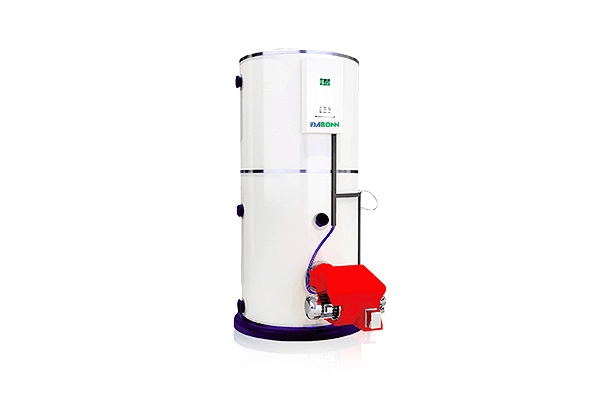
Electric boilers are compact and simple to install because they do not require combustion systems, fuel storage, or chimneys.
- Equipment cost: Low to Medium
- Installation cost: Low
- Fuel cost (electricity): High in most industrial markets
- Maintenance level: Very Low
Although electric boilers eliminate combustion-related maintenance, high electricity pricing often results in the highest long-term operating cost, especially for large-capacity industrial applications.
Industrial Boiler Cost Comparison Table
| Fuel Type | Estimated Equipment Cost (USD) | Installation Cost | Operating Cost | Maintenance Demand |
|---|---|---|---|---|
| Gas | 6,500 – 143,000 | Low–Medium | Low–Medium | Low |
| Oil | 10,000 – 155,000 | Medium | High | Medium |
| Biomass | 12,000 – 188,000 | High | Low–Medium | High |
| Electric | 7,000 – 96,000 | Low | High | Very Low |
These estimated ranges are derived from bottom-up cost composition, reflecting differences in material, fuel system complexity, and automation for each fuel type and capacity.
Total Cost Perspective Over 10–20 Years
Gas-fired boilers often provide the most stable total cost structure in regions with reliable gas supply. Biomass boilers may achieve lower long-term fuel expenditure but require higher upfront capital and ongoing labor. Oil-fired boilers are increasingly sensitive to fuel market fluctuations, while electric boilers remain suitable mainly for small-capacity or emission-restricted environments.
For industrial decision-makers, selecting a boiler fuel type should involve a comprehensive evaluation of fuel availability, environmental regulations, installation complexity, and long-term operating cost rather than equipment price alone.

