
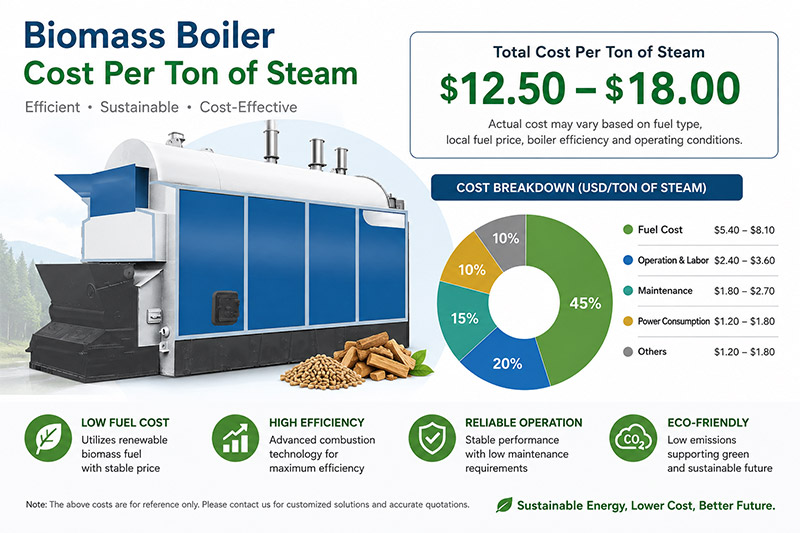
Biaya boiler biomassa per ton uap adalah salah satu indikator terpenting bagi pabrik yang membandingkan pilihan bahan bakar. Daripada hanya melihat harga beli boiler biomassa, pembeli industri perlu menghitung berapa banyak bahan bakar, listrik, pengolahan air, tenaga kerja, pemeliharaan, dan penanganan abu diperlukan untuk menghasilkan satu ton uap yang dapat digunakan.
Untuk pabrik dengan akses stabil terhadap bahan bakar biomassa berbiaya rendah, ketel uap biomassa seringkali dapat menghasilkan uap dengan biaya lebih rendah dibandingkan ketel berbahan bakar gas atau ketel berbahan bakar minyak. Namun, biaya sebenarnya per ton uap sangat bergantung pada jenis bahan bakar, kelembaban bahan bakar, efisiensi ketel, jam operasional, biaya tenaga kerja lokal, dan tingkat otomatisasi dalam sistem boiler industri.
Apa Arti Biaya Boiler Biomassa Per Ton Uap?
Biaya boiler biomassa per ton uap berarti total biaya operasional yang diperlukan untuk menghasilkan satu metrik ton uap. Ini adalah pengukuran praktis di tingkat pabrik karena menghubungkan kinerja boiler secara langsung dengan biaya produksi.
Perhitungannya harus mencakup lebih dari sekadar bahan bakar biomassa. Analisis biaya pengoperasian boiler yang lengkap biasanya mencakup bahan bakar, listrik, bahan kimia pengolahan air, tenaga kerja, pemeliharaan rutin, penghilangan abu, dan operasi pengendalian emisi.
| Barang Biaya | Mengapa Itu Penting |
|---|---|
| Bahan Bakar Biomassa | Biasanya biaya operasional terbesar |
| Listrik | Digunakan oleh penggemar, pompa, konveyor, dan peralatan pengumpan bahan bakar |
| Pengolahan Air | Membantu melindungi tabung boiler dan menjaga kualitas uap |
| Tenaga kerja | Tergantung pada tingkat otomatisasi boiler biomassa |
| Pemeliharaan | Termasuk parutan, sistem pemberian makan, sistem abu, dan pekerjaan inspeksi |
| Penanganan Abu | Termasuk pengumpulan abu, penyimpanan, mengangkut, dan pembuangan |
| Pengendalian Emisi | Mungkin termasuk peralatan pengumpulan debu dan pengolahan gas buang |
Berapa Banyak Bahan Bakar Biomassa yang Dibutuhkan untuk Menghasilkan Satu Ton Uap?
Perkiraan praktis dimulai dengan permintaan energi uap. Memproduksi satu ton steam industri biasanya membutuhkan jumlah yang tidak sedikit 650,000 ke 750,000 kkal panas yang bermanfaat, tergantung pada suhu air umpan, tekanan uap, tingkat ledakan, dan pemulihan kondensat.
Jika boiler biomassa beroperasi pada suhu sekitar 80% ke 86% efisiensi termal, kebutuhan bahan bakar berubah sesuai dengan nilai kalor bahan bakar biomassa. Pelet kayu kering membutuhkan lebih sedikit bahan bakar per ton uap dibandingkan serpihan kayu basah karena pelet mengandung lebih banyak energi yang dapat digunakan per kilogramnya.
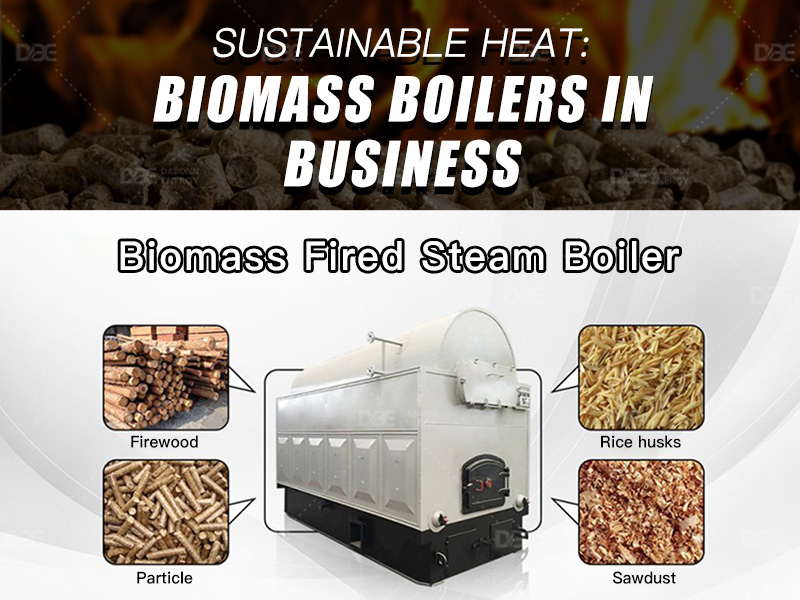
| Bahan Bakar Biomassa | Nilai Pemanasan Khas | Perkiraan Kebutuhan Bahan Bakar Per Ton Uap | Kesulitan Penanganan Bahan Bakar |
|---|---|---|---|
| Pelet Kayu | 4,000-4,500 kkal/kg | 190-230 kg | Rendah |
| Serpihan Kayu Kering | 3,000-3,800 kkal/kg | 230-300 kg | Sedang |
| Serbuk gergaji | 3,200-4,000 kkal/kg | 220-290 kg | Sedang |
| Sekam Padi | 2,800-3,300 kkal/kg | 270-340 kg | Sedang |
| Batok kelapa | 3,800-4,500 kkal/kg | 190-240 kg | Sedang |
| Cangkang Inti Sawit | 3,800-4,600 kkal/kg | 185-235 kg | Sedang |
| Limbah Pertanian dengan Kadar Air Tinggi | 1,800-2,800 kkal/kg | 320-500 kg | Tinggi |
Angka-angka ini merupakan perkiraan perencanaan dan bukan jaminan tetap. Proyek nyata harus memastikan kelembapan bahan bakar, nilai kalori, kandungan abu, tekanan uap, dan efisiensi pengoperasian yang diharapkan sebelum menyelesaikan pemilihan boiler biomassa.
Biaya Boiler Biomassa Per Ton Uap: Contoh Perhitungan
Asumsikan sebuah pabrik menggunakan serpihan kayu kering dengan nilai kalor sebesar 3,500 kkal/kg. Jika boiler membutuhkan 260 kg serpihan kayu untuk menghasilkan satu ton uap dan harga serpihan kayu lokal adalah $80 per ton, biaya bahan bakar dapat dihitung sebagai berikut.
| Butir Perhitungan | Contoh Nilai |
|---|---|
| Konsumsi Serpihan Kayu | 260 kg per ton uap |
| Harga Serpihan Kayu | $80 per ton |
| Biaya Bahan Bakar Per Ton Uap | $20.80 |
| Listrik, Pengolahan Air, Tenaga kerja, Pemeliharaan dan Penanganan Abu | $6-$15 per ton uap |
| Perkiraan Total Biaya Uap Biomassa | $27-$36 per ton uap |
Dalam contoh ini, total biaya boiler biomassa per ton uap adalah sekitar $27 ke $36. Hasil pastinya akan bervariasi tergantung harga bahan bakar, desain ketel, tingkat otomatisasi, dan kondisi operasi lokal.
Biaya Boiler Biomassa vs Boiler Gas Per Ton Uap
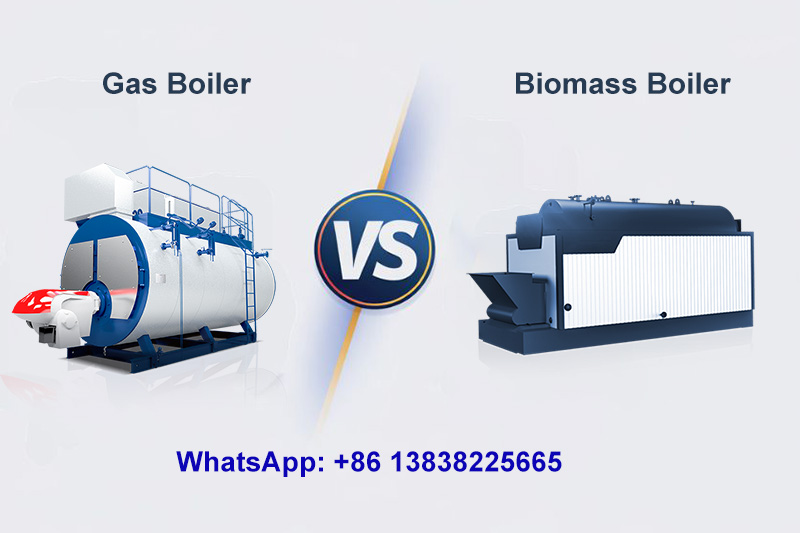
Banyak pabrik membandingkan ketel biomassa dengan ketel uap berbahan bakar gas. Ketel gas lebih bersih, lebih mudah untuk diotomatisasi, dan membutuhkan lebih sedikit ruang penyimpanan bahan bakar. Boiler biomassa biasanya memerlukan lebih banyak ruang lokasi dan lebih banyak penanganan bahan bakar, namun hal ini dapat mengurangi biaya uap secara signifikan bila bahan bakar murah tersedia.
| Barang Perbandingan | Ketel Uap Biomassa | Ketel Uap Gas |
|---|---|---|
| Biaya Bahan Bakar Per Ton Uap | Seringkali lebih rendah jika biomassa tersedia secara lokal | Sangat bergantung pada harga gas alam |
| Penyimpanan Bahan Bakar | Membutuhkan halaman penyimpanan atau silo | Biasanya tidak diperlukan penyimpanan besar di tempat |
| Otomatisasi | Sedang hingga tinggi, tergantung pada sistem pemberian makan | Tinggi |
| Persyaratan Tenaga Kerja | Biasanya lebih tinggi | Biasanya lebih rendah |
| Pengendalian Emisi | Pengelolaan debu dan abu diperlukan | Emisi partikulat yang lebih rendah |
| Aplikasi Terbaik | Pabrik dengan pasokan biomassa yang murah dan stabil | Pabrik dengan pasokan gas yang andal dan harga bersaing |
Perhitungan konsumsi bahan bakar boiler gas per jam berguna saat membandingkan kedua sistem. Pilihan terbaik tidak ditentukan oleh harga bahan bakar saja. Hal ini juga harus mempertimbangkan logistik bahan bakar, ketersediaan tenaga kerja, persyaratan emisi, kemampuan pemeliharaan, dan kebutuhan uap tahunan.
Biaya Boiler Biomassa vs Boiler Berbahan Bakar Minyak Per Ton Uap
Dibandingkan dengan boiler berbahan bakar minyak, Biomassa dapat memberikan penghematan bahan bakar yang besar di wilayah dimana harga solar atau minyak berat tinggi. Namun, boiler berbahan bakar minyak seringkali lebih mudah dipasang di lokasi dengan ruang terbatas dan pasokan biomassa terbatas.
| Faktor | Ketel Biomassa | Ketel Berbahan Bakar Minyak |
|---|---|---|
| Stabilitas Harga Bahan Bakar | Tergantung pada pasokan pertanian atau limbah kayu setempat | Tergantung pada pasar minyak internasional |
| Biaya Bahan Bakar Per Ton Uap | Berpotensi rendah | Seringkali lebih tinggi di pasar pengimpor minyak |
| Ruang Instalasi | Besar karena penanganan bahan bakar dan abu | Lebih kecil, tetapi membutuhkan area tangki minyak |
| Operasi Harian | Membutuhkan manajemen bahan bakar | Lebih otomatis dan kompak |
| Kasus Penggunaan Terbaik | Permintaan uap tahunan yang tinggi dengan biomassa lokal | Proyek jarak jauh tanpa jaringan pipa gas |
Faktor Apa yang Meningkatkan Biaya Uap Biomassa?
Boiler biomassa mungkin terlihat ekonomis di atas kertas namun menjadi mahal jika bahan bakar dan kondisi pengoperasiannya tidak terkontrol dengan baik. Faktor-faktor berikut mempunyai pengaruh terbesar terhadap biaya akhir per ton steam.
- Kelembapan bahan bakar tinggi: Bahan bakar basah mengkonsumsi lebih banyak energi untuk menguapkan air sebelum menghasilkan panas yang berguna.
- Efisiensi ketel rendah: Pembakaran yang buruk, udara berlebih, kehilangan panas, dan permukaan perpindahan panas yang kotor meningkatkan penggunaan bahan bakar.
- Ukuran bahan bakar tidak stabil: Ukuran partikel yang tercampur dapat menyebabkan masalah feeding dan pembakaran tidak sempurna.
- Kadar abu tinggi: Lebih banyak abu meningkatkan waktu pembersihan, biaya pembuangan, dan permintaan pemeliharaan.
- Pemulihan kondensat rendah: Air umpan dingin meningkatkan panas yang dibutuhkan untuk menghasilkan uap.
- Operasi beban rendah yang sering: Boiler umumnya beroperasi lebih efisien mendekati kisaran beban yang dirancang.
- Penanganan bahan bakar manual: Biaya tenaga kerja dapat meningkat dengan cepat bila sistem tidak memiliki sistem pemberian makan dan pembuangan abu secara otomatis.
Mencari Ketel Uap Biomassa?
Hubungi kami hari ini untuk solusi ketel uap biomassa yang disesuaikan dan penilaian efisiensi energi gratis. Tim teknik ahli kami memberikan dukungan penuh mulai dari desain hingga pemasangan.
Cara Mengurangi Biaya Boiler Biomassa Per Ton Uap
Strategi pengurangan biaya yang paling efektif bukan sekadar membeli bahan bakar yang lebih murah. Sebuah pabrik harus meningkatkan efisiensi sistem uap secara penuh, dari penyimpanan bahan bakar melalui pengembalian kondensat.
| Ukuran Perbaikan | Manfaat yang Diharapkan |
|---|---|
| Gunakan bahan bakar biomassa yang lebih kering | Mengurangi konsumsi bahan bakar dan meningkatkan stabilitas pembakaran |
| Pasang pengumpanan bahan bakar otomatis | Mengurangi permintaan tenaga kerja dan meningkatkan konsistensi pembakaran |
| Memperbaiki insulasi pada pipa steam | Mengurangi kehilangan panas setelah uap keluar dari ketel |
| Pulihkan kondensat panas | Mengurangi kebutuhan pemanasan air umpan |
| Gunakan peralatan pengolahan air yang tepat | Membantu mencegah kerak dan melindungi efisiensi perpindahan panas |
| Memelihara peralatan pembakaran | Meningkatkan keseimbangan udara-bahan bakar dan mengurangi kehilangan bahan bakar yang tidak terbakar |
| Pilih kapasitas ketel yang benar | Menghindari operasi yang tidak efisien yang disebabkan oleh ukuran yang terlalu besar atau terlalu kecil |
Periode Pengembalian Boiler Biomassa
Ketel biomassa sering kali memerlukan biaya pemasangan yang lebih mahal dibandingkan ketel gas atau minyak konvensional karena mungkin memerlukan sistem penyimpanan bahan bakar, konveyor, peralatan makan, sistem penghilangan abu, pengumpul debu, dan ruang ketel yang lebih besar. Investasi ini masih dapat dibenarkan jika penghematan bahan bakar tahunan signifikan.
Perhitungan pengembalian sederhana adalah:
Payback Period = Investasi Proyek Biomassa Tambahan Penghematan Biaya Bahan Bakar Tahunan
Misalnya, jika proyek biomassa memerlukan biaya $150,000 lebih dari sekedar proyek boiler gas tetapi menghemat $60,000 per tahun dalam biaya bahan bakar, periode pengembalian sederhana adalah tentang 2.5 bertahun-tahun. Pengembalian dana sebenarnya juga harus mencakup pemeliharaan, tenaga kerja, pembiayaan, risiko harga bahan bakar, dan waktu henti produksi.
Industri Mana yang Paling Diuntungkan dari Uap Biomassa Berbiaya Rendah?
Boiler biomassa paling kompetitif di industri dengan permintaan uap yang terus-menerus dan akses mudah terhadap bahan bakar biomassa. Mereka sangat cocok untuk pabrik yang dapat menggunakan limbah produksinya sendiri sebagai bahan bakar.
| Industri | Penggunaan Uap Khas | Potensi Bahan Bakar Biomassa |
|---|---|---|
| Pabrik Pengolahan Makanan | Memasak, sterilisasi, pembersihan, pengeringan | Sekam padi, batok kelapa, serpihan kayu |
| Manufaktur Tekstil | Pencelupan, pencucian, pengeringan, menyetrika | Serpihan kayu, pelet, limbah pertanian |
| Pabrik Kelapa Sawit | Proses pemanasan dan dukungan daya | Serat, kerang, tandan buah kosong |
| Pabrik Pengolahan Kayu | Pengeringan dan proses pemanasan | Serbuk gergaji, kulit pohon, potongan kayu |
| Pabrik Kertas | Pengeringan dan pembangkitan uap | Limbah kayu dan residu biomassa |
| Pabrik Pengolahan Pertanian | Pengeringan, pemanas, dan sterilisasi | Residu tanaman dan biomassa lokal |
Bagaimana Dabonn Energy Mengevaluasi Proyek Boiler Biomassa
Energi Dabonn tidak merekomendasikan boiler biomassa hanya karena bahan bakar biomassa terlihat murah. Evaluasi proyek praktis dimulai dari sumber bahan bakar pelanggan yang sebenarnya, kelembaban bahan bakar, tekanan uap, jam operasional harian, tata letak situs, kondisi ketenagakerjaan, persyaratan emisi, dan rencana produksi di masa depan.
Untuk pelanggan yang mempertimbangkan boiler biomassa, Dabonn Energy dapat membantu membandingkan biomassa, gas, minyak, dan opsi listrik sebagai bagian dari rencana solusi pemanas industri yang lengkap. Tujuannya adalah untuk mengidentifikasi biaya siklus hidup praktis yang terendah, bukan sekadar mengutip harga peralatan terendah.
Kesimpulan
Biaya boiler biomassa per ton uap bisa sangat kompetitif ketika pabrik memiliki akses terhadap sumber daya yang stabil, kering, dan bahan bakar biomassa yang terjangkau. Dalam banyak proyek, total biaya pengoperasian mungkin berada dalam kisaran yang lebih rendah dibandingkan pembangkitan uap berbahan bakar gas atau minyak, tapi hasil akhirnya tergantung kualitas bahan bakar, efisiensi ketel, otomatisasi, tenaga kerja, penanganan abu, dan desain sistem uap.
Sebelum memilih ketel uap biomassa, pabrik harus menghitung konsumsi bahan bakar per ton uap, mencakup semua biaya operasional, dan membandingkan biaya siklus hidup penuh dengan ketel uap berbahan bakar gas, ketel berbahan bakar minyak, atau ketel uap listrik. Sistem biomassa yang dirancang dengan baik dapat mengurangi pengeluaran energi jangka panjang sekaligus mendukung produksi industri yang lebih tangguh.
Pertanyaan Umum
Berapa biaya boiler biomassa per ton uap?
Total biaya dapat sangat bervariasi berdasarkan harga bahan bakar dan kondisi pengoperasian. Dalam contoh serpihan kayu yang khas, uap biomassa mungkin berharga sekitar $27 ke $36 per ton uap, termasuk bahan bakar dan biaya operasional umum. Harga bahan bakar lokal dan kadar air dapat mengubah hasil ini secara signifikan.
Berapa banyak bahan bakar biomassa yang dibutuhkan untuk satu ton steam?
Kebanyakan boiler biomassa memerlukan sekitar 190 ke 340 kg bahan bakar biomassa kering hingga sedang per ton uap. Limbah pertanian basah mungkin memerlukan lebih dari itu 320 kg per ton uap karena nilai kalor yang dapat digunakan lebih rendah.
Apakah boiler biomassa lebih murah untuk dijalankan dibandingkan boiler gas?
Biayanya bisa lebih murah bila bahan bakar biomassa lokal tidak mahal dan tersedia sepanjang tahun. Ketel gas mungkin masih lebih cocok jika biaya tenaga kerjanya mahal, ruang terbatas, atau penyimpanan biomassa dan pengendalian emisi sulit dilakukan.
Apa faktor biaya terbesar dalam boiler biomassa?
Biaya bahan bakar dan kualitas bahan bakar biasanya merupakan faktor terbesar. Kadar air yang tinggi, ukuran bahan bakar tidak stabil, dan kandungan abu yang tinggi dapat meningkatkan konsumsi biomassa dan biaya pemeliharaan.
Bagaimana sebuah pabrik dapat mengurangi biaya uap biomassa?
Pabrik dapat mengurangi biaya dengan menggunakan bahan bakar yang lebih kering, meningkatkan efisiensi ketel, mengotomatisasi pengumpanan bahan bakar, memulihkan kondensat, pemeliharaan peralatan pengolahan air, dan memilih kapasitas boiler yang benar.


