
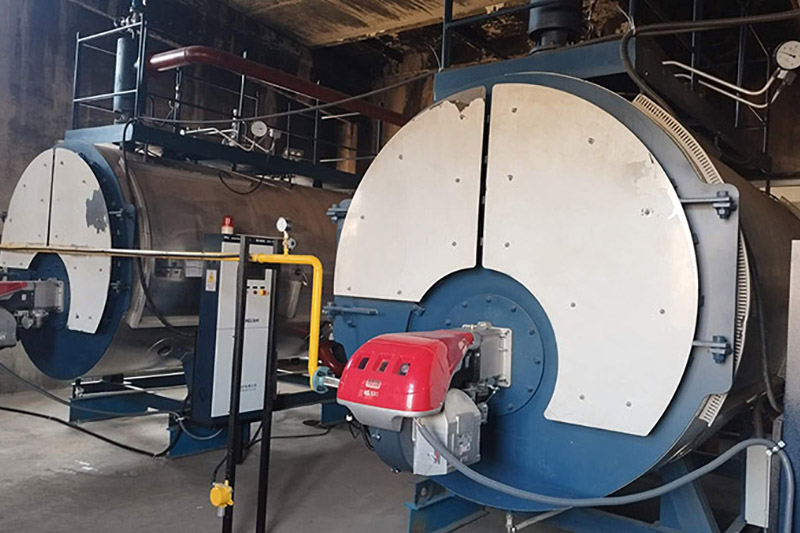
The best steam boiler for food processing plants is typically a high-efficiency gas-fired steam boiler because it provides stable steam supply, clean combustion, and lower operating costs. In modern food factories, natural gas steam boilers are widely used due to their high thermal efficiency, fast start-up capability, and reliable automatic control systems. Selecting the right steam boiler helps ensure stable production, consistent product quality, and energy-efficient operation.
Steam plays a critical role in food manufacturing. It is widely used for cooking, sterilization, pasteurization, heating, cleaning, and drying. Because food production requires strict hygiene standards and precise temperature control, the steam system must operate reliably and continuously.
Why Steam Boilers Are Essential in Food Processing Plants
Steam is one of the most important energy sources in the food industry. Many food processing steps rely on controlled heating and sterilization, which makes steam boilers an essential part of factory infrastructure.
- Cooking raw ingredients during food processing
- Pasteurization and sterilization for food safety
- Cleaning and sanitizing production equipment
- Drying ingredients or finished products
- Maintaining stable production temperatures
A properly designed steam boiler system ensures stable steam pressure and reliable heat supply for continuous food production.
Types of Steam Boilers Used in Food Processing
Different fuel types can be used for industrial steam boilers in food factories depending on local energy conditions and operating costs.
| Boiler Type | Main Advantages | Typical Applications |
|---|---|---|
| Gas Fired Steam Boiler | High efficiency, clean combustion, easy automation | Food factories with natural gas supply |
| Oil Fired Steam Boiler | Stable combustion and reliable fuel storage | Regions without gas pipeline |
| Biomass Steam Boiler | Lower fuel cost and renewable energy | Agricultural and rural processing plants |
| Electric Steam Boiler | No emissions and compact installation | Small food production facilities |
Among these options, gas-fired steam boilers are usually considered the best solution for medium and large food processing plants because they offer high efficiency and stable steam output.
Recommended Boiler Capacity for Food Processing Plants
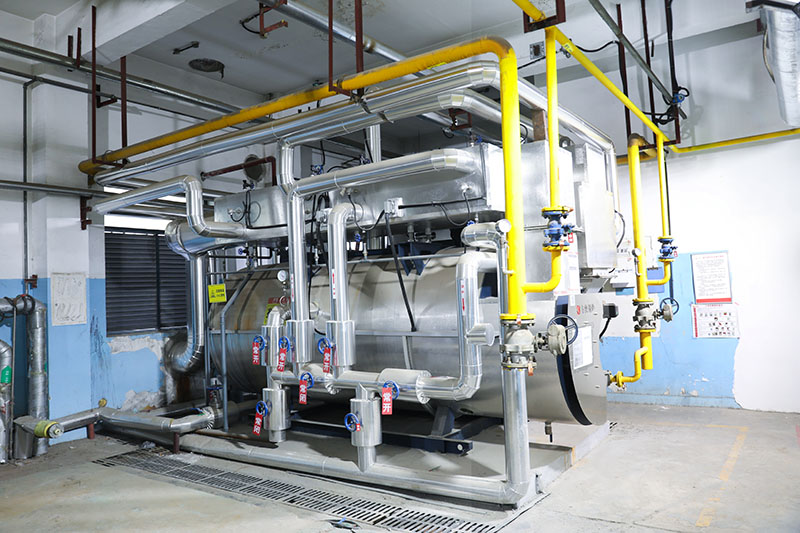
The steam demand of a food processing plant depends on production capacity, product type, and the number of processing lines. Most factories install steam boilers ranging from 1 to 10 tons per hour.
| Boiler Capacity | Typical Application | Factory Size |
|---|---|---|
| 1 Ton Steam Boiler | Small bakeries and food workshops | Small factories |
| 2 Ton Steam Boiler | Snack and seasoning production | Small to medium plants |
| 5 Ton Steam Boiler | Dairy processing or meat processing plants | Medium factories |
| 10 Ton Steam Boiler | Large food manufacturing facilities | Large plants |
Choosing the correct boiler size is important because an oversized boiler wastes energy while an undersized boiler cannot provide sufficient steam for production.
Typical Cost of Steam Boilers for Food Processing Plants
The price of an industrial steam boiler depends on capacity, fuel type, automation level, and auxiliary equipment such as water treatment systems and steam pipelines.
| Boiler Capacity | Typical Boiler Price | Fuel Type |
|---|---|---|
| 1 Ton Steam Boiler | $18,000 – $35,000 | Gas / Oil |
| 2 Ton Steam Boiler | $30,000 – $55,000 | Gas / Oil |
| 5 Ton Steam Boiler | $70,000 – $110,000 | Gas / Biomass |
| 10 Ton Steam Boiler | $120,000 – $200,000 | Gas / Coal / Biomass |
In addition to the equipment price, installation costs may include chimney construction, steam pipelines, water treatment systems, and control systems.
Real Project Example: Steam Boiler for a Hot Pot Seasoning Manufacturing Factory
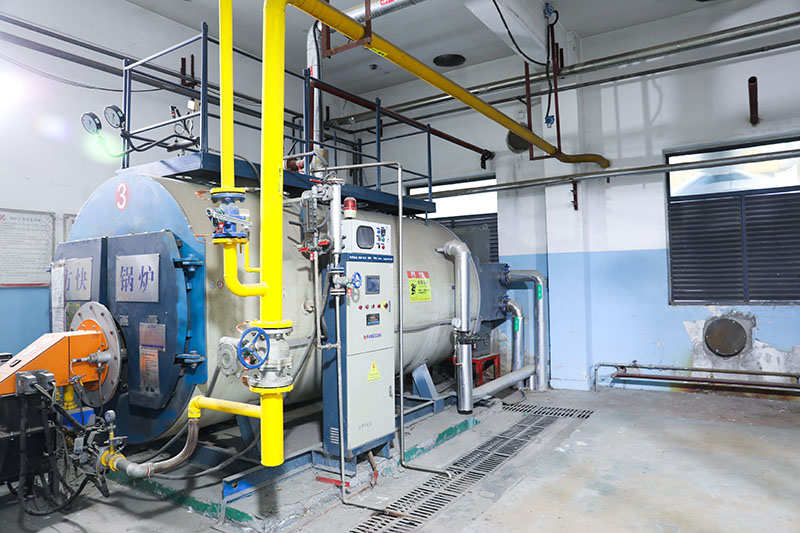
Steam boilers are widely used in seasoning and condiment factories where reliable heating and sterilization are required. One example is a food processing factory that produces hot pot base and seasoning products for the Haidilao supply chain.
The factory required stable steam supply for several production processes including ingredient cooking, sauce concentration, sterilization, and equipment cleaning. Because seasoning production must meet strict food safety standards, the steam system had to provide consistent pressure and reliable temperature control.
To meet these requirements, the factory installed a 2 ton gas-fired steam boiler to support continuous production.
| Project Item | Specification |
|---|---|
| Industry | Food Seasoning Manufacturing |
| Main Products | Hot Pot Base, Sauces, Seasoning Products |
| Boiler Type | Gas Fired Steam Boiler |
| Boiler Capacity | 2 Ton Steam per Hour |
| Steam Pressure | 0.7 – 1.0 MPa |
| Main Applications | Cooking, Sauce Concentration, Sterilization, Equipment Cleaning |
| Estimated Boiler Price | $32,000 – $48,000 |
After installation, the gas steam boiler improved temperature control and production efficiency during seasoning processing. The automatic burner system reduced fuel consumption while ensuring stable steam output for continuous production.
Many food factories such as sauce manufacturers, condiment plants, dairy processing facilities, and ready-meal factories rely on industrial steam boilers to maintain stable heating and sterilization processes.
Advantages of Gas Steam Boilers in Food Processing
- High thermal efficiency and lower fuel consumption
- Stable steam pressure for food processing equipment
- Cleaner combustion and lower emissions
- Fully automatic operation and easy control
- Lower maintenance requirements
Conclusion
Steam boilers are essential equipment in modern food processing plants. They provide the heat energy required for cooking, sterilization, and cleaning processes. For most factories, high-efficiency gas steam boilers are the preferred choice because they deliver reliable steam supply while maintaining energy efficiency and environmental performance.
When selecting a steam boiler, factories should consider steam demand, fuel availability, installation conditions, and future production expansion. Choosing the right boiler system can improve production efficiency and ensure safe food manufacturing.

Need Help Selecting the Right Boiler?
Contact our engineering team for a free boiler selection consultation and customized steam system solution. WhatsApp: +86 138 3822 5665
FAQ
What size steam boiler is needed for a food processing plant?
Most small food factories use boilers between 1 and 2 tons per hour, while medium-sized processing plants typically require 3 to 5 ton steam boilers. Large food manufacturing facilities may use boilers with capacities of 10 tons per hour or more depending on steam demand.
Why are gas steam boilers commonly used in the food industry?
Gas steam boilers are popular because they provide clean combustion, high thermal efficiency, and stable steam output. They also allow precise temperature control, which is important for cooking, sterilization, and pasteurization processes.
How much does a steam boiler for a food factory cost?
The price of a steam boiler usually ranges from $18,000 to $200,000 depending on the capacity and fuel type. Smaller boilers used in food workshops are less expensive, while large industrial boilers for major food processing plants cost significantly more.
What fuel is best for food processing steam boilers?
Natural gas is often considered the best fuel because it offers high efficiency and clean combustion. However, oil, biomass, and electricity may also be used depending on local fuel availability and operating costs.
Can steam boilers be used for food sterilization?
Yes, steam is widely used for sterilization and pasteurization in food processing plants. High-temperature steam helps eliminate bacteria and ensures food safety during production.

