
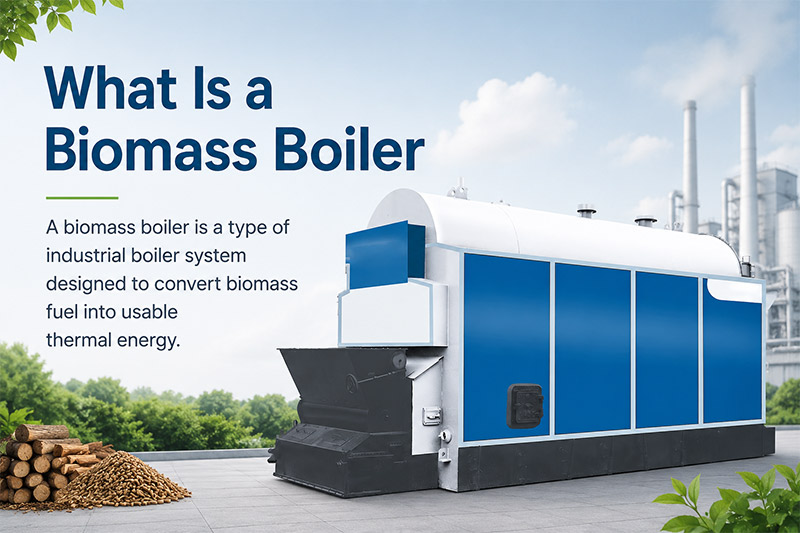
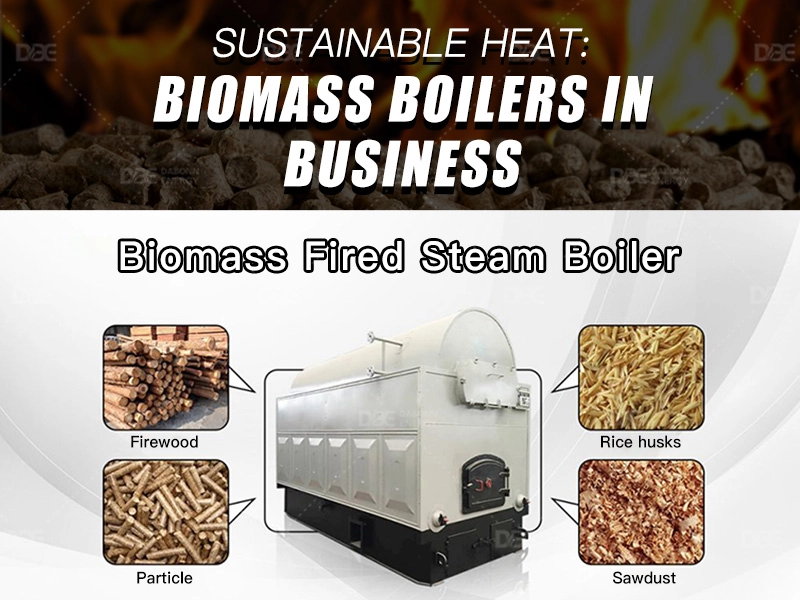
Une chaudière à biomasse est un système de chauffage industriel qui génère de l'eau chaude ou de la vapeur en brûlant des combustibles renouvelables tels que des copeaux de bois., balles de riz, coquilles de noix de coco, coquilles de palmiste, sciure, et déchets agricoles. Alors que les coûts de l’énergie continuent d’augmenter et que les réglementations environnementales deviennent plus strictes, de nombreuses usines évaluent si une chaudière à biomasse peut offrir des coûts d'exploitation inférieurs et un retour sur investissement plus rapide que les systèmes traditionnels au gaz ou au fioul.
Dans 2026, les chaudières à biomasse sont largement utilisées dans usines de transformation des aliments, usines textiles, installations de transformation agricole, usines de papier, fabricants de produits en bois, et projets de chauffage urbain. Pour les industries ayant accès à un combustible biomasse à faible coût, une chaudière à biomasse peut réduire considérablement les dépenses en combustible tout en soutenant les objectifs de développement durable.
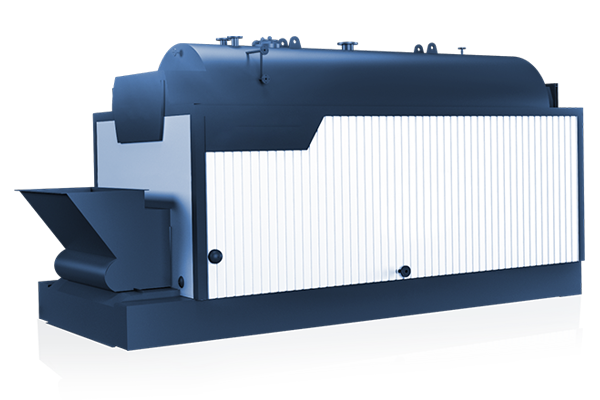
Qu'est-ce qu'une chaudière à biomasse?
Une chaudière à biomasse est un type de système de chaudière industrielle conçu pour convertir le combustible de biomasse en énergie thermique utilisable.. La chaleur générée est transférée à l'eau pour produire soit de l'eau chaude, soit de la vapeur pour les applications industrielles..
Contrairement aux chaudières à combustibles fossiles classiques, les systèmes à biomasse utilisent des matières organiques renouvelables qui sont souvent disponibles localement et nettement moins chères que le gaz naturel ou le mazout.
- Copeaux de bois
- Balle de riz
- Coquille de noix de coco
- Coquille de palmiste
- Sciure
- Granulés de bois
- Déchets agricoles
Cette flexibilité rend les chaudières biomasse particulièrement attractives dans les régions agricoles et manufacturières.
Comment fonctionne une chaudière à biomasse?
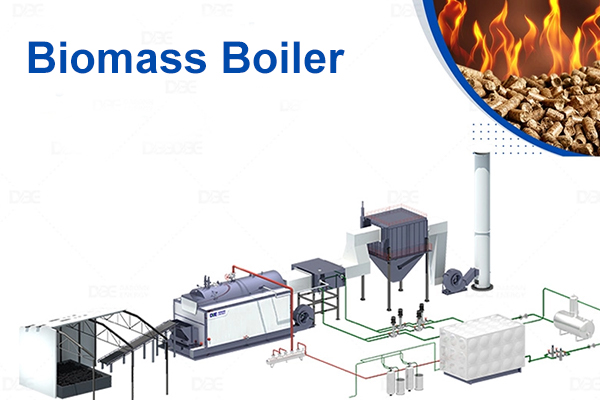
Le principe de fonctionnement est relativement simple. Le carburant biomasse est introduit dans la chambre de combustion où il brûle dans des conditions contrôlées. La chaleur produite lors de la combustion traverse les surfaces d'échange thermique et transfère l'énergie dans l'eau.
L'eau chaude ou la vapeur qui en résulte peut ensuite être utilisée dans toute l'usine pour les processus de production., systèmes de chauffage, stérilisation, séchage, cuisson, ou production d'électricité.
| Étape | Processus |
|---|---|
| 1 | Le combustible biomasse entre dans le four |
| 2 | La combustion génère de l'énergie thermique |
| 3 | Transferts de chaleur à travers les tubes de la chaudière |
| 4 | L'eau est chauffée en eau chaude ou en vapeur |
| 5 | L'énergie est livrée aux équipements de l'usine |
Pourquoi de plus en plus d'usines choisissent-elles des chaudières à biomasse?
La principale raison est le coût d'exploitation. Alors qu’une chaudière biomasse nécessite souvent un investissement initial plus élevé qu’une chaudière gaz standard, les dépenses en carburant peuvent être considérablement réduites tout au long de la durée de vie du projet.
De nombreuses usines n'évaluent plus le coût des chaudières uniquement en fonction du prix d'achat.. Plutôt, ils se concentrent sur le coût total du cycle de vie, y compris la consommation de carburant, frais d'entretien, et des économies d'énergie à long terme.
- Coûts de carburant réduits
- Source d'énergie renouvelable
- Dépendance réduite aux combustibles fossiles
- Stabilité énergétique à long terme
- Avantages potentiels de la réduction des émissions de carbone
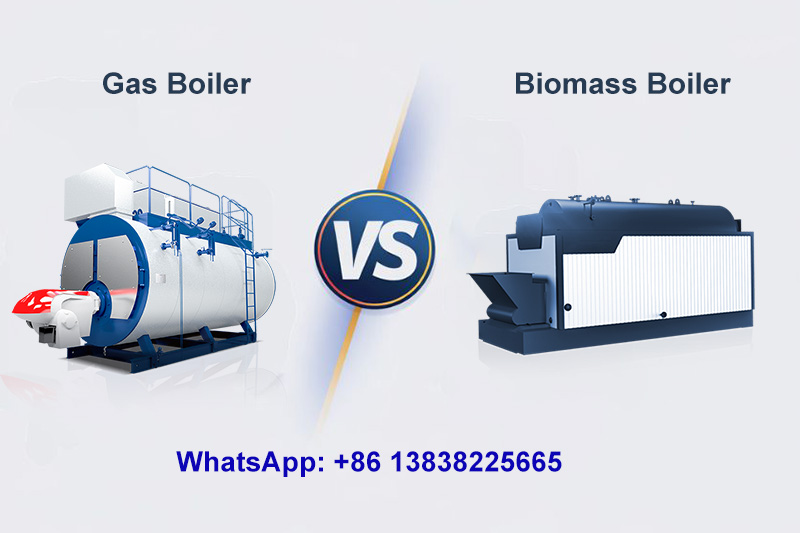
Chaudière à biomasse vs chaudière à gaz
L'une des questions les plus fréquentes des acheteurs industriels est de savoir si une chaudière à biomasse est meilleure qu'un chaudière à gaz.
| Facteur | Chaudière à biomasse | Chaudière à Gaz |
|---|---|---|
| Coût du carburant | Généralement inférieur | Généralement plus élevé |
| Investissement initial | Plus haut | Inférieur |
| Niveau d'automatisation | Moyen à élevé | Haut |
| Stockage de carburant | Requis | Minimal |
| Impact environnemental | Carburant renouvelable | Combustible fossile |
| Potentiel de récupération | Excellent | Modéré |
Pour les usines ayant accès à des déchets agricoles à faible coût, les systèmes à biomasse offrent souvent les coûts d'exploitation à long terme les plus bas parmi toutes les technologies de chaudières industrielles.
Combien coûte une chaudière à biomasse?
Le prix d'une chaudière biomasse dépend de la capacité, système d'alimentation en carburant, niveau d'automatisation, équipement de contrôle des émissions, et les exigences du projet.
| Capacité de la chaudière | Fourchette d’investissement estimée |
|---|---|
| 1 Tonne | $30,000 – $60,000 |
| 2 Tonne | $45,000 – $80,000 |
| 4 Tonne | $70,000 – $130,000 |
| 6 Tonne | $100,000 – $180,000 |
| 10 Tonne+ | $180,000+ |
Des investissements supplémentaires peuvent inclure des installations de stockage de carburant, systèmes d'alimentation automatiques, équipement de manutention des cendres, et systèmes de traitement de l'eau.
À la recherche d'une chaudière à vapeur?
Contactez-nous aujourd'hui pour une solution de chaudière à eau chaude au fioul personnalisée et une évaluation gratuite de l'efficacité énergétique. Notre équipe d’ingénieurs experts fournit une assistance complète de la conception à l’installation.
Applications industrielles des chaudières à biomasse
Les chaudières à biomasse peuvent prendre en charge un large éventail d'applications industrielles.
| Industrie | Application principale |
|---|---|
| Transformation des aliments | Cuisson, stérilisation, nettoyage |
| Fabrication textile | Teinture, séchage, repassage |
| Moulins à huile de palme | Chauffage de processus |
| Industrie du papier | Génération de vapeur |
| Produits du bois | Séchage et chauffage |
| Transformation agricole | Utilisation de la biomasse et production de vapeur |
De nombreuses usines utilisent des chaudières à vapeur à biomasse dans le cadre de leur stratégie d'efficacité énergétique tout en utilisant les déchets générés par leur propre processus de production..
Étude de cas: Usine de transformation des aliments utilisant du carburant de coquille de noix de coco
Un fabricant d'ingrédients alimentaires produisant des sauces et des assaisonnements a été confronté à une augmentation des dépenses en carburant liées aux combustibles fossiles conventionnels.. L'usine a installé une chaudière à vapeur biomasse conçue pour brûler des coques de noix de coco, une source de carburant disponible localement.
Le chaudière à noix de coco réduction des dépenses annuelles en carburant tout en fournissant une vapeur stable pour la cuisson, stérilisation, et opérations de nettoyage.
| Élément du projet | Détails |
|---|---|
| Industrie | Transformation des aliments |
| Type de carburant | Coquille De Noix De Coco |
| Type de chaudière | Chaudière à vapeur à biomasse |
| Utilisation principale | Cuisson et stérilisation |
| Récupération attendue | 2–4 ans |
Comment choisir la bonne chaudière à biomasse?
Avant d'acheter une chaudière biomasse, les propriétaires d'usine devraient évaluer plusieurs facteurs critiques.
- Approvisionnement en combustible biomasse disponible
- Teneur en humidité du carburant
- Débit de vapeur requis
- Heures de fonctionnement par an
- Exigences en matière d'émission
- Espace d'installation disponible
- Futurs plans d’expansion de la production
Les projets de chaudières à biomasse les plus réussis sont ceux où la disponibilité du combustible, capacité de la chaudière, et la demande de production sont soigneusement adaptées.
Pourquoi de nombreux acheteurs industriels choisissent Dabonn Energy
Dabonn Energy fournit des chaudières à vapeur industrielles, chaudières à eau chaude, systèmes de chaudières à biomasse, chaudières à gaz, chaudières électriques, et des solutions de chauffage industriel personnalisées pour les installations de fabrication mondiales.
En combinant la flexibilité des carburants, efficacité énergétique, et conception technique personnalisée, les projets de chaudières à biomasse peuvent aider les usines à atteindre leurs objectifs économiques et environnementaux.

Conclusion
Une chaudière à biomasse peut être l'une des solutions de chauffage industriel les plus rentables en 2026, en particulier pour les usines ayant accès à un combustible biomasse abordable. Même si l'investissement initial peut être plus élevé qu'une chaudière à gaz, des dépenses de carburant inférieures se traduisent souvent par des économies significatives à long terme.
Pour les usines de transformation des aliments, usines textiles, transformateurs agricoles, et les installations de fabrication recherchant des coûts d'exploitation réduits et des solutions d'énergie renouvelable, une chaudière à biomasse reste une option intéressante pour la production industrielle de vapeur et d'eau chaude.
FAQ
Quel combustible une chaudière à biomasse peut-elle utiliser?
Les chaudières à biomasse peuvent utiliser des copeaux de bois, granulés de bois, balles de riz, coquilles de noix de coco, coquilles de palmiste, sciure, et de nombreux résidus agricoles.
Une chaudière à biomasse est-elle moins chère à faire fonctionner qu'une chaudière à gaz?
Dans les régions où la biomasse est bon marché, les coûts d'exploitation sont souvent nettement inférieurs à ceux des systèmes de chaudières à gaz.
Quelles industries utilisent des chaudières à biomasse?
Transformation des aliments, fabrication de textiles, agriculture, production de papier, et les industries de transformation du bois utilisent couramment des chaudières à biomasse.
Quelle est la durée d'amortissement d'une chaudière à biomasse?
De nombreux projets industriels atteignent une période de récupération d'environ 2 à 5 ans en fonction des économies de carburant et des heures de fonctionnement..
Une chaudière à biomasse peut-elle produire de la vapeur?
Oui. Les chaudières à vapeur à biomasse sont largement utilisées pour la production de vapeur industrielle et les applications de chauffage de processus..


