
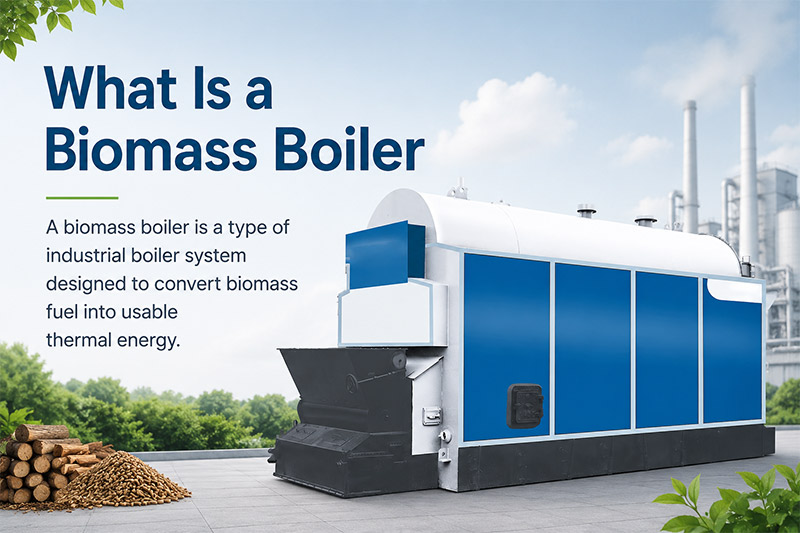
Ein Biomassekessel ist ein industrielles Heizsystem, das durch die Verbrennung erneuerbarer Biomassebrennstoffe wie Holzspäne heißes Wasser oder Dampf erzeugt, Reishülsen, Kokosnussschalen, Palmkernschalen, Sägemehl, und landwirtschaftliche Abfälle. Da die Energiekosten weiter steigen und die Umweltauflagen strenger werden, Viele Fabriken prüfen, ob ein Biomassekessel niedrigere Betriebskosten und eine schnellere Kapitalrendite als herkömmliche gas- oder ölbefeuerte Systeme bieten kann.
In 2026, Biomassekessel werden häufig eingesetzt Lebensmittelverarbeitungsbetriebe, Textilfabriken, landwirtschaftliche Verarbeitungsanlagen, Papierfabriken, Hersteller von Holzprodukten, und Fernwärmeprojekte. Für Branchen mit Zugang zu kostengünstigem Biomassebrennstoff, Ein Biomassekessel kann die Brennstoffkosten erheblich senken und gleichzeitig Nachhaltigkeitsziele unterstützen.
Was ist ein Biomassekessel??
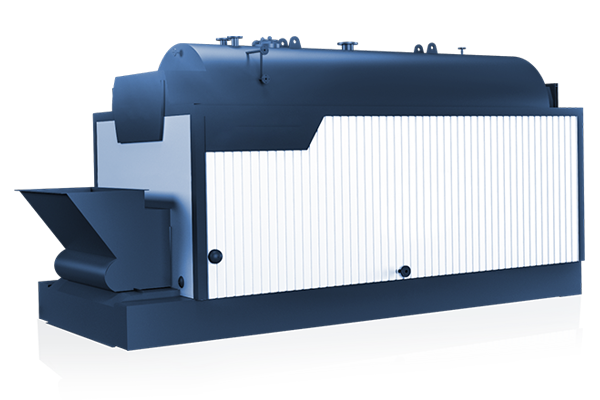
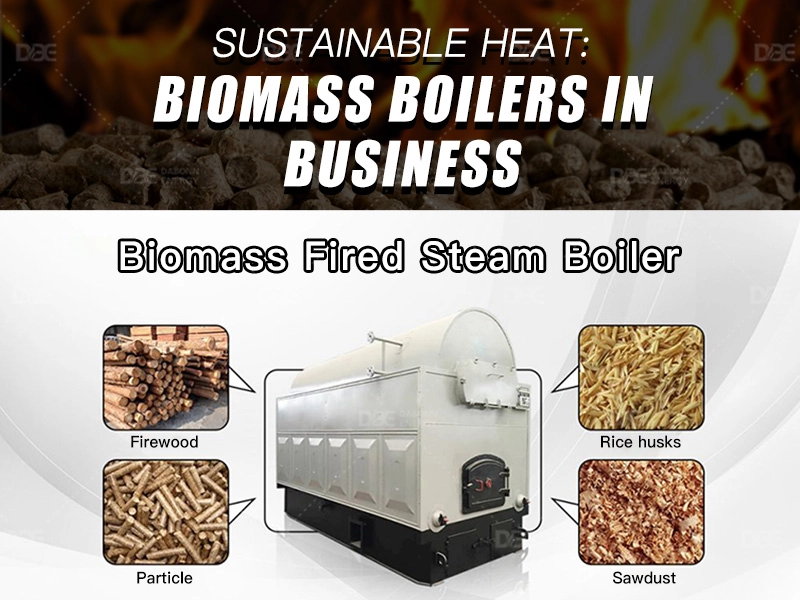
Ein Biomassekessel ist eine Art Industriekesselsystem, das dazu dient, Biomassebrennstoff in nutzbare Wärmeenergie umzuwandeln. Die erzeugte Wärme wird auf Wasser übertragen, um entweder Heißwasser oder Dampf für industrielle Anwendungen zu erzeugen.
Im Gegensatz zu herkömmlichen Heizkesseln für fossile Brennstoffe, Biomassesysteme nutzen erneuerbare organische Materialien, die oft lokal verfügbar und deutlich kostengünstiger als Erdgas oder Heizöl sind.
- Hackschnitzel
- Reisschale
- Kokosnussschale
- Palmkernschale
- Sägemehl
- Holzpellets
- Agrarabfälle
Diese Flexibilität macht Biomassekessel besonders in Agrar- und Produktionsregionen attraktiv.
Wie funktioniert ein Biomassekessel??
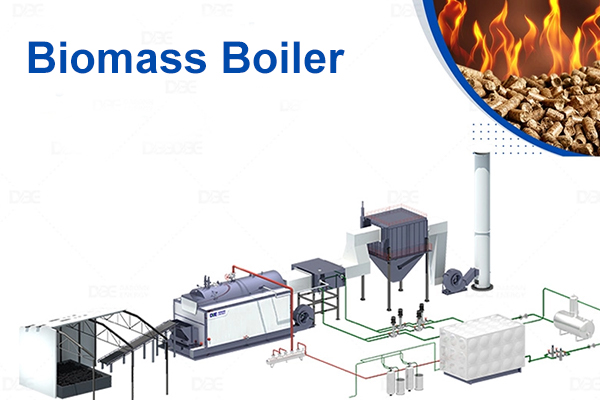
Das Funktionsprinzip ist relativ einfach. Biomassebrennstoff wird in die Brennkammer geleitet, wo er unter kontrollierten Bedingungen verbrennt. Die bei der Verbrennung entstehende Wärme gelangt durch Wärmeaustauschflächen und überträgt Energie in Wasser.
Das dabei entstehende Heißwasser bzw. Dampf kann dann im gesamten Werk für Produktionsprozesse genutzt werden, Heizsysteme, Sterilisation, Trocknen, Kochen, oder Stromerzeugung.
| Schritt | Verfahren |
|---|---|
| 1 | Biomassebrennstoff gelangt in den Ofen |
| 2 | Bei der Verbrennung entsteht Wärmeenergie |
| 3 | Wärmeübertragung durch Kesselrohre |
| 4 | Wasser wird zu heißem Wasser oder Dampf erhitzt |
| 5 | Energie wird an Fabrikanlagen geliefert |
Warum entscheiden sich immer mehr Fabriken für Biomassekessel??
Der Hauptgrund sind die Betriebskosten. Während ein Biomassekessel oft eine höhere Anfangsinvestition erfordert als ein Standard-Gaskessel, Die Treibstoffkosten können über die Laufzeit des Projekts deutlich geringer ausfallen.
Viele Fabriken bewerten die Kesselkosten nicht mehr nur auf der Grundlage des Kaufpreises. Stattdessen, Sie konzentrieren sich auf die gesamten Lebenszykluskosten, inklusive Kraftstoffverbrauch, Wartungskosten, und langfristige Energieeinsparungen.
- Niedrigere Kraftstoffkosten
- Erneuerbare Energiequelle
- Reduzierte Abhängigkeit von fossilen Brennstoffen
- Langfristige Energiestabilität
- Potenzielle Vorteile der CO2-Reduzierung
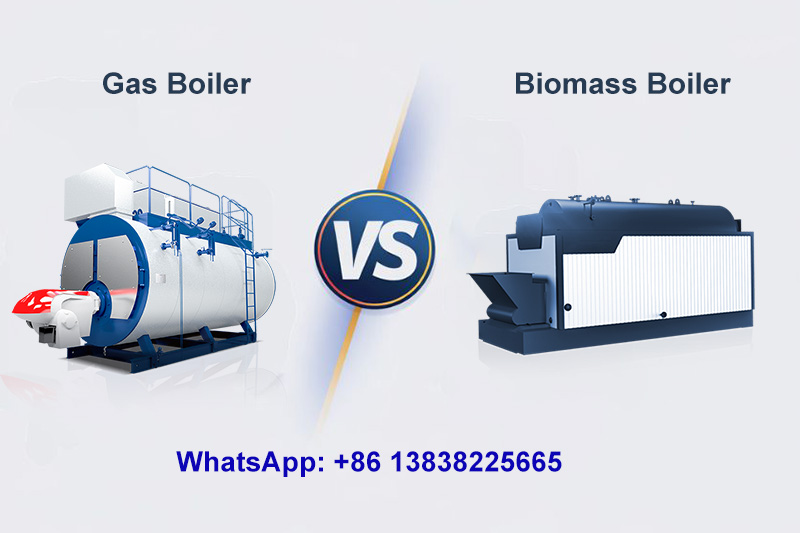
Biomassekessel vs. Gaskessel
Eine der häufigsten Fragen von Industriekäufern ist, ob ein Biomassekessel besser ist als ein gasbefeuerter Kessel.
| Faktor | Biomassekessel | Gaskessel |
|---|---|---|
| Kraftstoffkosten | Normalerweise niedriger | Normalerweise höher |
| Erstinvestition | Höher | Untere |
| Automatisierungsebene | Mittel bis Hoch | Hoch |
| Kraftstofflagerung | Erforderlich | Minimal |
| Umweltauswirkungen | Erneuerbarer Kraftstoff | Fossiler Brennstoff |
| Amortisationspotenzial | Exzellent | Mäßig |
Für Fabriken mit Zugang zu kostengünstigen landwirtschaftlichen Abfällen, Biomassesysteme bieten unter allen industriellen Kesseltechnologien häufig die niedrigsten langfristigen Betriebskosten.
Wie viel kostet ein Biomassekessel??
Der Preis eines Biomassekessels hängt von der Kapazität ab, Kraftstoffzufuhrsystem, Automatisierungsgrad, Emissionskontrollausrüstung, und Projektanforderungen.
| Kesselkapazität | Geschätzte Investitionsspanne |
|---|---|
| 1 Tonne | $30,000 – $60,000 |
| 2 Tonne | $45,000 – $80,000 |
| 4 Tonne | $70,000 – $130,000 |
| 6 Tonne | $100,000 – $180,000 |
| 10 Tonne+ | $180,000+ |
Zu den zusätzlichen Investitionen können Kraftstofflagereinrichtungen gehören, automatische Fütterungssysteme, Aschehandhabungsausrüstung, und Wasseraufbereitungsanlagen.
Auf der Suche nach einem Dampfkessel?
Kontaktieren Sie uns Fordern Sie noch heute eine maßgeschneiderte Öl-Warmwasserkessellösung und eine kostenlose Energieeffizienzbewertung an. Unser kompetentes Ingenieurteam bietet umfassende Unterstützung vom Entwurf bis zur Installation.
Industrielle Anwendungen von Biomassekesseln
Biomassekessel können ein breites Spektrum industrieller Anwendungen unterstützen.
| Industrie | Hauptanwendung |
|---|---|
| Lebensmittelverarbeitung | Kochen, Sterilisation, Reinigung |
| Textilherstellung | Färberei, Trocknen, Bügeln |
| Palmölmühlen | Prozesserwärmung |
| Papierindustrie | Dampferzeugung |
| Holzprodukte | Trocknen und Erhitzen |
| Landwirtschaftliche Verarbeitung | Biomassenutzung und Dampferzeugung |
Viele Fabriken nutzen Biomasse-Dampfkessel als Teil ihrer Energieeffizienzstrategie und verwerten gleichzeitig Abfallstoffe, die in ihrem eigenen Produktionsprozess anfallen.
Fallstudie: Lebensmittelverarbeitungsfabrik, die Kokosnussschalen-Brennstoff verwendet
Ein Hersteller von Lebensmittelzutaten, der Soßen und Gewürze herstellt, war mit steigenden Treibstoffkosten aus konventionellen fossilen Brennstoffen konfrontiert. Die Fabrik installierte einen Biomasse-Dampfkessel zur Verbrennung von Kokosnussschalen, eine lokal verfügbare Kraftstoffquelle.
Der Mit Kokosnussschalen befeuerter Kessel Reduzierter jährlicher Brennstoffverbrauch bei gleichzeitiger Bereitstellung stabilen Dampfes zum Kochen, Sterilisation, und Reinigungsarbeiten.
| Projektelement | Einzelheiten |
|---|---|
| Industrie | Lebensmittelverarbeitung |
| Kraftstofftyp | Kokosnussschale |
| Kesseltyp | Biomasse-Dampfkessel |
| Hauptverwendung | Kochen und Sterilisieren |
| Erwartete Amortisation | 2–4 Jahre |
So wählen Sie den richtigen Biomassekessel aus?
Vor dem Kauf eines Biomassekessels, Fabrikbesitzer sollten mehrere kritische Faktoren bewerten.
- Verfügbare Biomasse-Brennstoffversorgung
- Feuchtigkeitsgehalt des Kraftstoffs
- Erforderliche Dampfleistung
- Betriebsstunden pro Jahr
- Emissionsanforderungen
- Verfügbarer Installationsraum
- Zukünftige Produktionserweiterungspläne
Die erfolgreichsten Biomassekesselprojekte sind diejenigen, bei denen die Brennstoffverfügbarkeit gewährleistet ist, Kesselkapazität, und Produktionsbedarf werden sorgfältig aufeinander abgestimmt.
Warum sich viele Industriekäufer für Dabonn Energy entscheiden
Dabonn Energy liefert industrielle Dampfkessel, Warmwasserkessel, Biomassekesselanlagen, gasbefeuerte Kessel, Elektrokessel, und maßgeschneiderte industrielle Heizlösungen für globale Produktionsanlagen.
Durch die Kombination von Kraftstoffflexibilität, Energieeffizienz, und kundenspezifisches technisches Design, Biomassekesselprojekte können Fabriken dabei helfen, sowohl wirtschaftliche als auch ökologische Ziele zu erreichen.

Abschluss
Ein Biomassekessel kann eine der kostengünstigsten industriellen Heizlösungen sein 2026, insbesondere für Fabriken mit Zugang zu erschwinglichem Biomassebrennstoff. Allerdings kann die Anfangsinvestition höher sein als bei einem Gaskessel, Niedrigere Treibstoffkosten führen oft zu erheblichen langfristigen Einsparungen.
Für Lebensmittelverarbeitungsbetriebe, Textilfabriken, landwirtschaftliche Verarbeiter, und Produktionsstätten, die niedrigere Betriebskosten und Lösungen für erneuerbare Energien suchen, Ein Biomassekessel bleibt eine attraktive Option für die industrielle Dampf- und Warmwassererzeugung.
FAQ
Welchen Brennstoff kann ein Biomassekessel verwenden??
Biomassekessel können Holzhackschnitzel verwenden, Holzpellets, Reishülsen, Kokosnussschalen, Palmkernschalen, Sägemehl, und viele landwirtschaftliche Rückstände.
Ist der Betrieb eines Biomassekessels günstiger als der eines Gaskessels??
In Regionen mit kostengünstigem Biomassebrennstoff, Die Betriebskosten sind oft deutlich niedriger als bei gasbefeuerten Kesselanlagen.
In welchen Branchen werden Biomassekessel eingesetzt??
Lebensmittelverarbeitung, Textilherstellung, Landwirtschaft, Papierherstellung, In der holzverarbeitenden Industrie werden häufig Biomassekessel eingesetzt.
Wie lange ist die Amortisationszeit eines Biomassekessels??
Bei vielen Industrieprojekten beträgt die Amortisationszeit je nach Kraftstoffeinsparung und Betriebsstunden etwa zwei bis fünf Jahre.
Kann ein Biomassekessel Dampf erzeugen??
Ja. Biomasse-Dampfkessel werden häufig für industrielle Dampferzeugungs- und Prozesswärmeanwendungen eingesetzt.


