
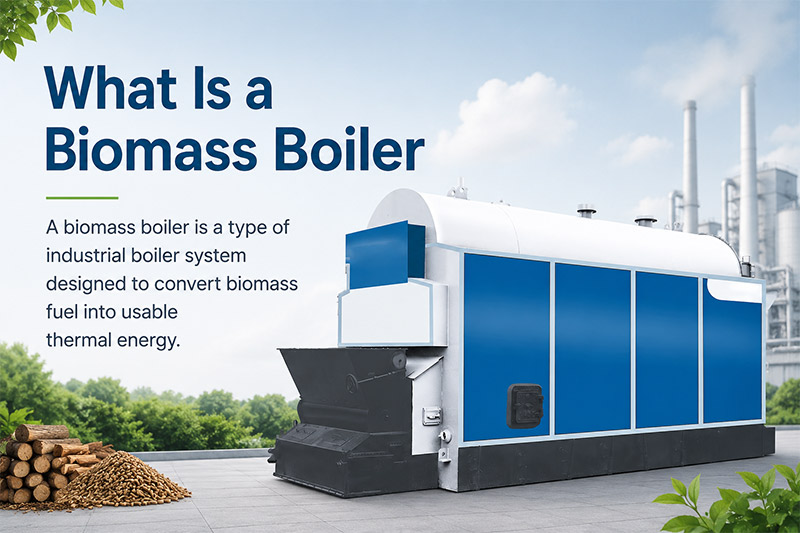
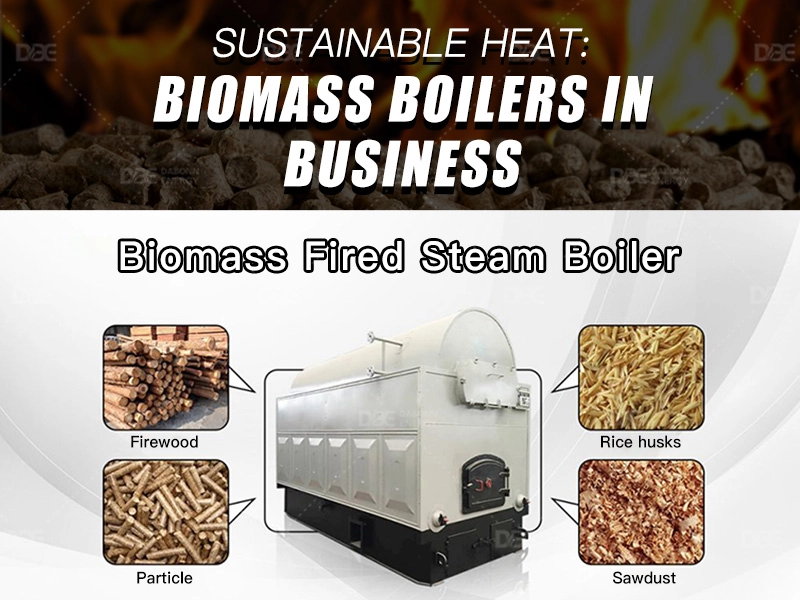
Una caldaia a biomassa è un sistema di riscaldamento industriale che genera acqua calda o vapore bruciando combustibili rinnovabili da biomassa come i trucioli di legno, bucce di riso, gusci di cocco, gusci di palmisti, segatura, e rifiuti agricoli. Poiché i costi energetici continuano ad aumentare e le normative ambientali diventano più severe, molte fabbriche stanno valutando se una caldaia a biomassa possa garantire costi operativi inferiori e un ritorno sull’investimento più rapido rispetto ai tradizionali sistemi alimentati a gas o a petrolio.
In 2026, le caldaie a biomassa sono ampiamente utilizzate in impianti di lavorazione alimentare, fabbriche tessili, impianti di lavorazione agricola, cartiere, produttori di prodotti in legno, e progetti di teleriscaldamento. Per le industrie che hanno accesso a combustibili da biomassa a basso costo, una caldaia a biomassa può ridurre significativamente le spese di carburante supportando al contempo gli obiettivi di sostenibilità.
Cos'è una caldaia a biomassa?
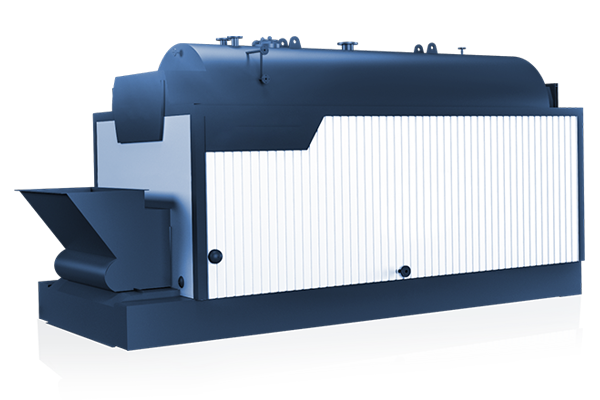
Una caldaia a biomassa è un tipo di sistema di caldaie industriali progettato per convertire il combustibile da biomassa in energia termica utilizzabile. Il calore generato viene trasferito all'acqua per produrre acqua calda o vapore per applicazioni industriali.
A differenza delle tradizionali caldaie a combustibile fossile, i sistemi a biomassa utilizzano materiali organici rinnovabili che sono spesso disponibili localmente e significativamente meno costosi del gas naturale o dell’olio combustibile.
- Trucioli di legno
- Buccia di riso
- Guscio di cocco
- Guscio di palmisti
- Segatura
- Pellet di legno
- Rifiuti agricoli
Questa flessibilità rende le caldaie a biomassa particolarmente attraenti nelle regioni agricole e manifatturiere.
Come funziona una caldaia a biomassa?
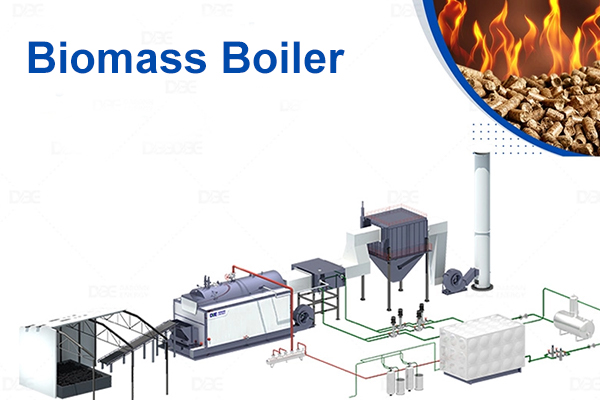
Il principio di funzionamento è relativamente semplice. Il combustibile da biomassa viene immesso nella camera di combustione dove brucia in condizioni controllate. Il calore prodotto durante la combustione attraversa le superfici di scambio termico e cede energia all'acqua.
L'acqua calda o il vapore risultanti possono quindi essere utilizzati in tutta la fabbrica per i processi produttivi, sistemi di riscaldamento, sterilizzazione, essiccazione, cucina, o produzione di energia.
| Fare un passo | Processo |
|---|---|
| 1 | Il combustibile da biomassa entra nel forno |
| 2 | La combustione genera energia termica |
| 3 | Trasferimenti di calore attraverso i tubi della caldaia |
| 4 | L'acqua viene riscaldata in acqua calda o vapore |
| 5 | L'energia viene fornita alle apparecchiature della fabbrica |
Perché sempre più fabbriche scelgono le caldaie a biomassa?
Il motivo principale sono i costi operativi. Mentre una caldaia a biomassa spesso richiede un investimento iniziale maggiore rispetto ad una caldaia a gas standard, le spese per il carburante possono essere significativamente inferiori durante la durata del progetto.
Molte fabbriche non valutano più il costo della caldaia basandosi solo sul prezzo di acquisto. Invece, si concentrano sul costo totale del ciclo di vita, compreso il consumo di carburante, spese di manutenzione, e risparmio energetico a lungo termine.
- Riduzione dei costi del carburante
- Fonte di energia rinnovabile
- Riduzione della dipendenza dai combustibili fossili
- Stabilità energetica a lungo termine
- Potenziali benefici in termini di riduzione del carbonio
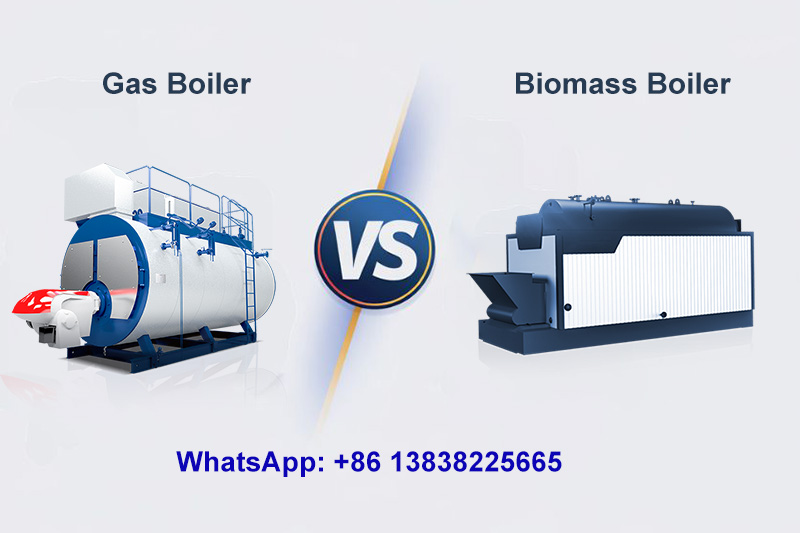
Caldaia a biomassa vs caldaia a gas
Una delle domande più comuni degli acquirenti industriali è se una caldaia a biomassa sia migliore di una caldaia a gas.
| Fattore | Caldaia a biomassa | Caldaia a gas |
|---|---|---|
| Costo del carburante | Solitamente inferiore | Solitamente più alto |
| Investimento iniziale | Più alto | Inferiore |
| Livello di automazione | Da medio ad alto | Alto |
| Stoccaggio del carburante | Necessario | Minimo |
| Impatto ambientale | Carburante rinnovabile | Combustibile fossile |
| Potenziale di rimborso | Eccellente | Moderare |
Per le fabbriche che hanno accesso ai rifiuti agricoli a basso costo, i sistemi a biomassa spesso forniscono i costi operativi a lungo termine più bassi tra tutte le tecnologie di caldaie industriali.
Quanto costa una caldaia a biomassa?
IL prezzo di una caldaia a biomassa dipende dalla capacità, sistema di alimentazione del carburante, livello di automazione, apparecchiature per il controllo delle emissioni, e requisiti del progetto.
| Capacità della caldaia | Intervallo di investimento stimato |
|---|---|
| 1 Tonnellata | $30,000 – $60,000 |
| 2 Tonnellata | $45,000 – $80,000 |
| 4 Tonnellata | $70,000 – $130,000 |
| 6 Tonnellata | $100,000 – $180,000 |
| 10 Tonnellata+ | $180,000+ |
Ulteriori investimenti potrebbero includere impianti di stoccaggio del carburante, sistemi di alimentazione automatica, attrezzature per la movimentazione delle ceneri, e sistemi di trattamento dell'acqua.
Cerco caldaia a vapore?
Contattaci oggi per una soluzione personalizzata di caldaia per acqua calda a gasolio e una valutazione gratuita dell'efficienza energetica. Il nostro team di ingegneri esperti fornisce supporto completo dalla progettazione all'installazione.
Applicazioni industriali delle caldaie a biomassa
Le caldaie a biomassa possono supportare un’ampia gamma di applicazioni industriali.
| Industria | Applicazione principale |
|---|---|
| Trasformazione alimentare | Cucina, sterilizzazione, pulizia |
| Produzione tessile | Tintura, essiccazione, stiro |
| Frantoi per l'olio di palma | Riscaldamento di processo |
| Industria della carta | Generazione di vapore |
| Prodotti in legno | Asciugatura e riscaldamento |
| Trasformazione agricola | Utilizzo della biomassa e produzione di vapore |
Molte fabbriche utilizzano caldaie a vapore a biomassa come parte della loro strategia di efficienza energetica, utilizzando allo stesso tempo materiali di scarto generati dal proprio processo di produzione.
Caso di studio: Fabbrica di trasformazione alimentare che utilizza combustibile derivante dai gusci di cocco
Un produttore di ingredienti alimentari che produce salse e condimenti ha dovuto far fronte all’aumento delle spese per il carburante derivante dai combustibili fossili convenzionali. La fabbrica ha installato una caldaia a vapore a biomassa progettata per bruciare gusci di cocco, una fonte di combustibile disponibile localmente.
IL Caldaia alimentata con guscio di noce di cocco ridotto dispendio annuale di carburante fornendo allo stesso tempo vapore stabile per la cottura, sterilizzazione, e operazioni di pulizia.
| Elemento del progetto | Dettagli |
|---|---|
| Industria | Trasformazione alimentare |
| Tipo di carburante | Guscio di cocco |
| Tipo di caldaia | Caldaia a vapore a biomassa |
| Utilizzo principale | Cottura e sterilizzazione |
| Rimborso atteso | 2–4 anni |
Come scegliere la caldaia a biomassa giusta?
Prima di acquistare una caldaia a biomassa, i proprietari delle fabbriche dovrebbero valutare diversi fattori critici.
- Fornitura di combustibile da biomassa disponibile
- Contenuto di umidità del carburante
- Produzione di vapore richiesta
- Ore di funzionamento all'anno
- Requisiti di emissione
- Spazio di installazione disponibile
- Futuri piani di espansione produttiva
I progetti di caldaie a biomassa di maggior successo sono quelli in cui è disponibile il combustibile, capacità della caldaia, e la domanda di produzione sono attentamente abbinati.
Perché molti acquirenti industriali scelgono Dabonn Energy
Dabonn Energy fornisce caldaie a vapore industriali, caldaie ad acqua calda, sistemi di caldaie a biomassa, caldaie a gas, caldaie elettriche, e soluzioni di riscaldamento industriale personalizzate per impianti di produzione globali.
Combinando la flessibilità del carburante, efficienza energetica, e progettazione ingegneristica personalizzata, I progetti di caldaie a biomassa possono aiutare le fabbriche a raggiungere obiettivi sia economici che ambientali.

Conclusione
Una caldaia a biomassa può essere una delle soluzioni di riscaldamento industriale più convenienti in termini di costi 2026, soprattutto per le fabbriche che hanno accesso a combustibili da biomassa a prezzi accessibili. Sebbene l'investimento iniziale possa essere superiore a quello di una caldaia a gas, la riduzione delle spese per il carburante spesso si traduce in risparmi significativi a lungo termine.
Per impianti di lavorazione alimentare, fabbriche tessili, trasformatori agricoli, e impianti di produzione che cercano costi operativi inferiori e soluzioni di energia rinnovabile, una caldaia a biomassa rimane un’opzione interessante per la produzione di vapore industriale e acqua calda.
Domande frequenti
Quale combustibile può utilizzare una caldaia a biomassa?
Le caldaie a biomassa possono utilizzare cippato di legno, pellet di legno, bucce di riso, gusci di cocco, gusci di palmisti, segatura, e molti residui agricoli.
Una caldaia a biomassa è più economica da gestire rispetto a una caldaia a gas?
Nelle regioni con combustibile da biomassa a basso costo, i costi operativi sono spesso significativamente inferiori rispetto ai sistemi con caldaie a gas.
Quali industrie utilizzano le caldaie a biomassa?
Lavorazione degli alimenti, manifattura tessile, agricoltura, produzione di carta, e le industrie di lavorazione del legno utilizzano comunemente caldaie a biomassa.
Quanto dura il periodo di ammortamento di una caldaia a biomassa?
Molti progetti industriali raggiungono un periodo di ammortamento di circa 2-5 anni a seconda del risparmio di carburante e delle ore di funzionamento.
Una caldaia a biomassa può produrre vapore?
SÌ. Le caldaie a vapore a biomassa sono ampiamente utilizzate per la generazione di vapore industriale e per applicazioni di riscaldamento di processo.


