
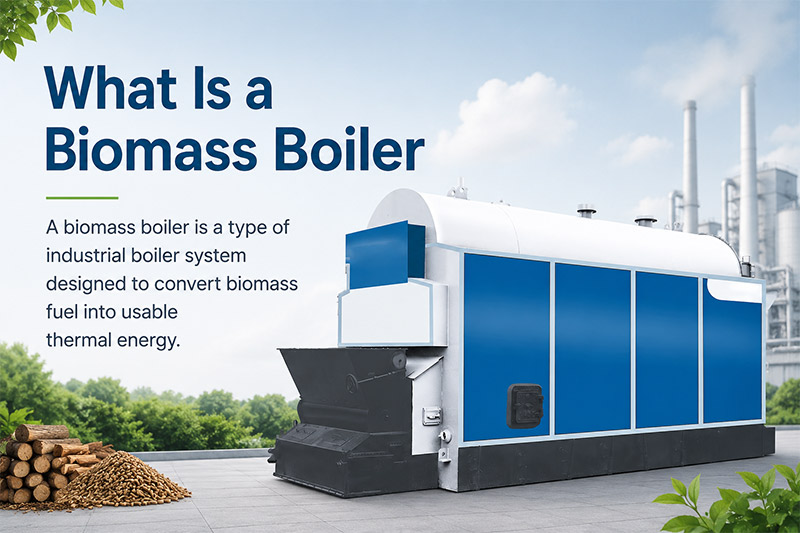
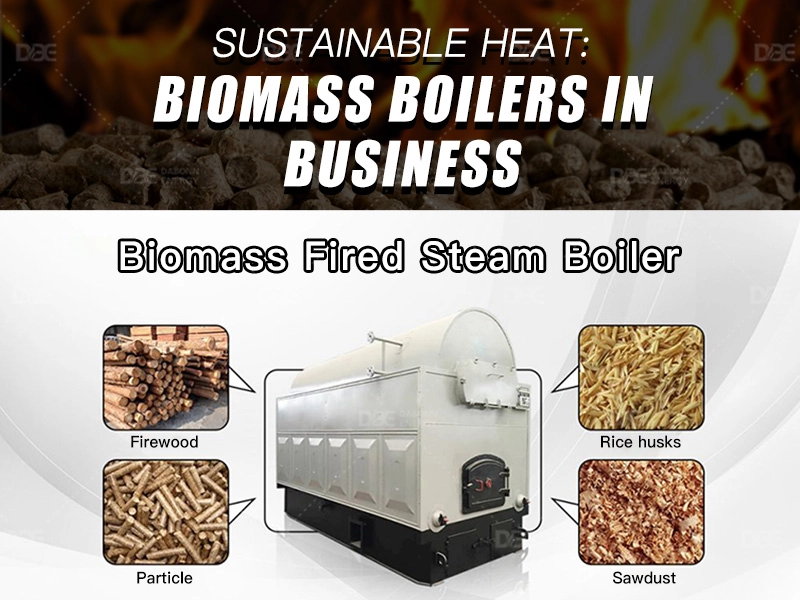
Uma caldeira de biomassa é um sistema de aquecimento industrial que gera água quente ou vapor através da queima de combustíveis renováveis de biomassa, como aparas de madeira., cascas de arroz, cascas de coco, cascas de palmiste, serragem, e resíduos agrícolas. À medida que os custos de energia continuam a aumentar e as regulamentações ambientais se tornam mais rigorosas, muitas fábricas estão avaliando se uma caldeira de biomassa pode proporcionar custos operacionais mais baixos e um retorno do investimento mais rápido do que os sistemas tradicionais movidos a gás ou a óleo.
Em 2026, caldeiras de biomassa são amplamente utilizadas em plantas de processamento de alimentos, fábricas têxteis, instalações de processamento agrícola, fábricas de papel, fabricantes de produtos de madeira, e projetos de aquecimento urbano. Para indústrias com acesso a combustível de biomassa de baixo custo, uma caldeira de biomassa pode reduzir significativamente as despesas com combustível e, ao mesmo tempo, apoiar as metas de sustentabilidade.
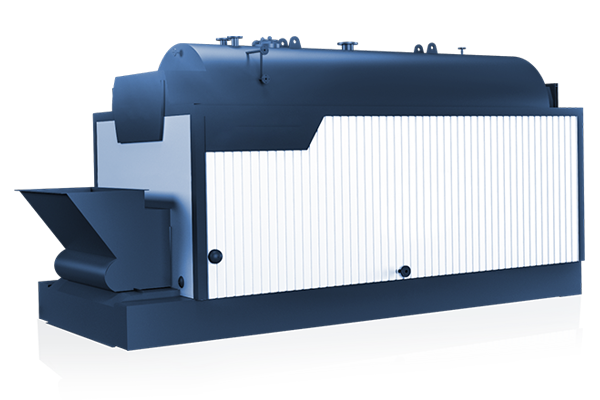
O que é uma caldeira de biomassa?
Uma caldeira de biomassa é um tipo de sistema de caldeira industrial projetado para converter combustível de biomassa em energia térmica utilizável.. O calor gerado é transferido para a água para produzir água quente ou vapor para aplicações industriais.
Ao contrário das caldeiras convencionais de combustível fóssil, os sistemas de biomassa utilizam materiais orgânicos renováveis que muitas vezes estão disponíveis localmente e são significativamente mais baratos que o gás natural ou o óleo combustível.
- Lascas de madeira
- Casca de arroz
- Casca de coco
- Casca de palmiste
- Serragem
- Pelotas de madeira
- Resíduos agrícolas
Esta flexibilidade torna as caldeiras de biomassa particularmente atrativas em regiões agrícolas e industriais.
Como funciona uma caldeira de biomassa?
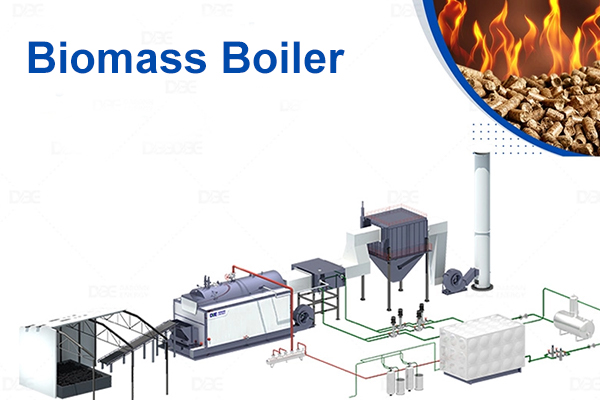
O princípio de funcionamento é relativamente simples. O combustível de biomassa é alimentado na câmara de combustão onde queima sob condições controladas. O calor produzido durante a combustão passa pelas superfícies de troca de calor e transfere energia para a água.
A água quente ou o vapor resultante podem então ser usados em toda a fábrica para processos de produção, sistemas de aquecimento, esterilização, secagem, culinária, ou geração de energia.
| Etapa | Processo |
|---|---|
| 1 | Combustível de biomassa entra na fornalha |
| 2 | A combustão gera energia térmica |
| 3 | Transferências de calor através de tubos de caldeira |
| 4 | A água é aquecida em água quente ou vapor |
| 5 | A energia é entregue aos equipamentos da fábrica |
Por que mais fábricas estão escolhendo caldeiras de biomassa?
O principal motivo é o custo operacional. Embora uma caldeira de biomassa exija frequentemente um investimento inicial mais elevado do que uma caldeira a gás padrão, as despesas com combustível podem ser significativamente menores ao longo da vida do projeto.
Muitas fábricas não avaliam mais o custo da caldeira com base apenas no preço de compra. Em vez de, eles se concentram no custo total do ciclo de vida, incluindo consumo de combustível, despesas de manutenção, e economia de energia a longo prazo.
- Custos de combustível mais baixos
- Fonte de energia renovável
- Redução da dependência de combustíveis fósseis
- Estabilidade energética a longo prazo
- Benefícios potenciais de redução de carbono
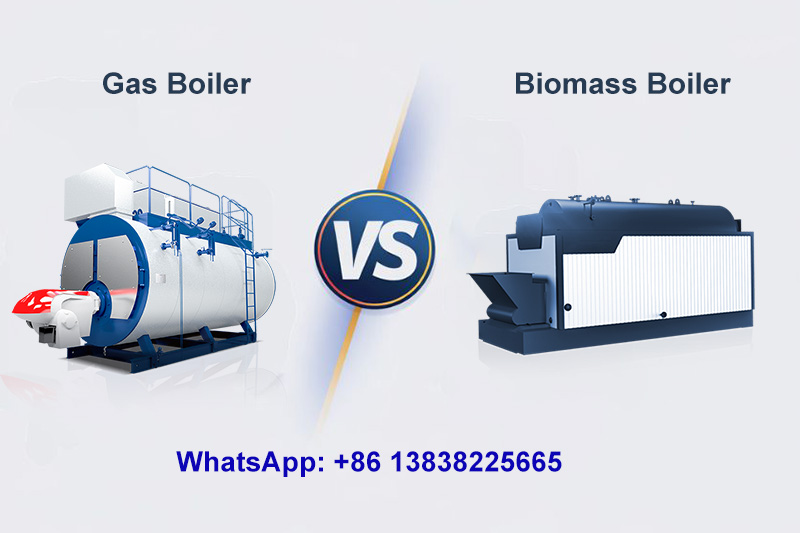
Caldeira de biomassa vs caldeira a gás
Uma das dúvidas mais comuns dos compradores industriais é se uma caldeira de biomassa é melhor que uma caldeira a gás.
| Fator | Caldeira de Biomassa | Caldeira a Gás |
|---|---|---|
| Custo de combustível | Geralmente mais baixo | Geralmente mais alto |
| Investimento Inicial | Mais alto | Mais baixo |
| Nível de automação | Médio a alto | Alto |
| Armazenamento de Combustível | Obrigatório | Mínimo |
| Impacto Ambiental | Combustível Renovável | Combustível Fóssil |
| Potencial de retorno | Excelente | Moderado |
Para fábricas com acesso a resíduos agrícolas de baixo custo, os sistemas de biomassa geralmente oferecem o menor custo operacional a longo prazo entre todas as tecnologias de caldeiras industriais.
Quanto custa uma caldeira de biomassa?
O preço de uma caldeira de biomassa depende da capacidade, sistema de alimentação de combustível, nível de automação, equipamento de controle de emissões, e requisitos do projeto.
| Capacidade da caldeira | Faixa estimada de investimento |
|---|---|
| 1 Tonelada | $30,000 – $60,000 |
| 2 Tonelada | $45,000 – $80,000 |
| 4 Tonelada | $70,000 – $130,000 |
| 6 Tonelada | $100,000 – $180,000 |
| 10 Tonelada + | $180,000+ |
O investimento adicional pode incluir instalações de armazenamento de combustível, sistemas de alimentação automáticos, equipamento de manuseio de cinzas, e sistemas de tratamento de água.
Procurando uma caldeira a vapor?
Contate-nos hoje para uma solução personalizada de caldeira de água quente a óleo e avaliação gratuita de eficiência energética. Nossa equipe de engenharia especializada fornece suporte completo desde o projeto até a instalação.
Aplicações Industriais de Caldeiras de Biomassa
Caldeiras de biomassa podem suportar uma ampla gama de aplicações industriais.
| Indústria | Aplicação principal |
|---|---|
| Processamento de Alimentos | Culinária, esterilização, limpeza |
| Fabricação Têxtil | Tingimento, secagem, passar |
| Moinhos de óleo de palma | Aquecimento de processo |
| Indústria de Papel | Geração de vapor |
| Produtos de madeira | Secagem e aquecimento |
| Processamento Agrícola | Utilização de biomassa e produção de vapor |
Muitas fábricas utilizam caldeiras a vapor de biomassa como parte da sua estratégia de eficiência energética, ao mesmo tempo que utilizam resíduos gerados no seu próprio processo de produção..
Estudo de caso: Fábrica de processamento de alimentos usando combustível de casca de coco
Um fabricante de ingredientes alimentares que produz molhos e temperos enfrentou despesas crescentes com combustíveis fósseis convencionais. A fábrica instalou uma caldeira a vapor de biomassa projetada para queimar cascas de coco, uma fonte de combustível disponível localmente.
O Caldeira a lenha com casca de coco gasto anual reduzido de combustível, ao mesmo tempo que fornece vapor estável para cozinhar, esterilização, e operações de limpeza.
| Item do projeto | Detalhes |
|---|---|
| Indústria | Processamento de Alimentos |
| Tipo de combustível | Casca de Coco |
| Tipo de caldeira | Caldeira a Vapor de Biomassa |
| Uso principal | Cozinhar e Esterilização |
| Retorno Esperado | 2–4 anos |
Como escolher a caldeira de biomassa certa?
Antes de comprar uma caldeira de biomassa, os proprietários das fábricas devem avaliar vários fatores críticos.
- Fornecimento de combustível de biomassa disponível
- Teor de umidade do combustível
- Saída de vapor necessária
- Horas de funcionamento por ano
- Requisitos de emissão
- Espaço de instalação disponível
- Planos futuros de expansão da produção
Os projetos de caldeiras de biomassa mais bem sucedidos são aqueles onde a disponibilidade de combustível, capacidade da caldeira, e a demanda de produção são cuidadosamente combinadas.
Por que muitos compradores industriais escolhem a Dabonn Energy
Dabonn Energy fornece caldeiras a vapor industriais, caldeiras de água quente, sistemas de caldeira de biomassa, caldeiras a gás, caldeiras elétricas, e soluções personalizadas de aquecimento industrial para instalações de produção globais.
Combinando flexibilidade de combustível, eficiência energética, e projeto de engenharia personalizado, projetos de caldeiras de biomassa podem ajudar as fábricas a atingir objetivos econômicos e ambientais.

Conclusão
Uma caldeira de biomassa pode ser uma das soluções de aquecimento industrial mais económicas em 2026, especialmente para fábricas com acesso a combustível de biomassa acessível. Embora o investimento inicial possa ser superior ao de uma caldeira a gás, despesas mais baixas com combustível geralmente resultam em economias significativas a longo prazo.
Para fábricas de processamento de alimentos, fábricas têxteis, processadores agrícolas, e instalações de fabricação que buscam custos operacionais mais baixos e soluções de energia renovável, uma caldeira de biomassa continua sendo uma opção atraente para geração industrial de vapor e água quente.
Perguntas frequentes
Que combustível uma caldeira de biomassa pode usar?
Caldeiras de biomassa podem usar lascas de madeira, pellets de madeira, cascas de arroz, cascas de coco, cascas de palmiste, serragem, e muitos resíduos agrícolas.
Uma caldeira de biomassa é mais barata de operar do que uma caldeira a gás?
Em regiões com combustível de biomassa de baixo custo, os custos operacionais são muitas vezes significativamente mais baixos do que os sistemas de caldeiras a gás.
Quais indústrias usam caldeiras de biomassa?
Processamento de alimentos, fabricação têxtil, agricultura, produção de papel, e as indústrias de processamento de madeira geralmente usam caldeiras de biomassa.
Quanto tempo é o período de retorno de uma caldeira de biomassa?
Muitos projetos industriais alcançam um período de retorno de aproximadamente 2 a 5 anos, dependendo da economia de combustível e das horas de operação.
Uma caldeira de biomassa pode produzir vapor?
Sim. Caldeiras a vapor de biomassa são amplamente utilizadas para geração de vapor industrial e aplicações de aquecimento de processos.


