
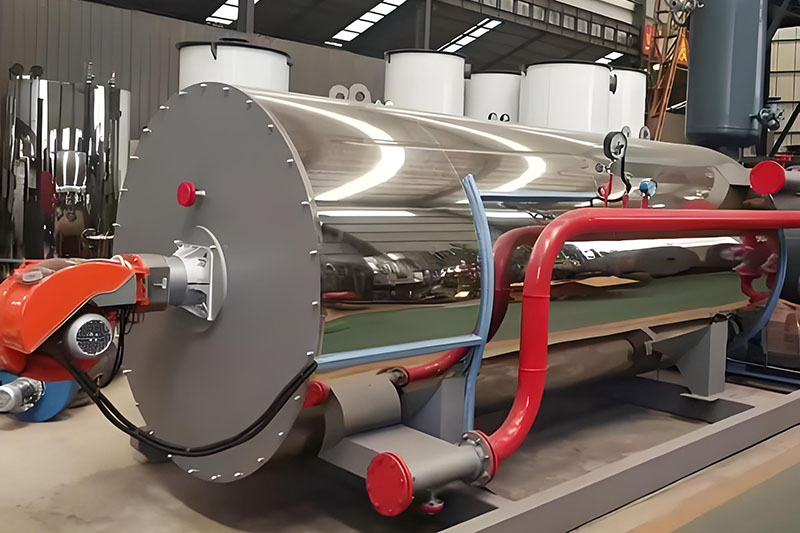
1. ما هي غلاية الزيت الحراري? — مبدأ العمل وهيكل النظام
1.1 تعريف غلاية الزيت الحراري
أ غلاية الزيت الحراري (يُعرف أيضًا باسم سخان الزيت الساخن أو غلاية ناقلة الحرارة العضوية) هو نظام الطاقة الحرارية. يستخدم الزيت الحراري (الزيوت الاصطناعية أو المعدنية) كوسيلة لنقل الحرارة وتوصيل الحرارة من خلالها تداول الطور السائل القسري عبر المضخة.
1.2 مبدأ العمل
- يتم حرق الوقود في غرفة الاحتراق لتوليد الحرارة;
- يمتص الزيت الحراري داخل الملفات أو الأنابيب الحرارة;
- يتم تدوير الزيت الساخن عبر خط أنابيب مغلق بواسطة مضخة دوران;
- ينقل الزيت ذو درجة الحرارة العالية حرارة معقولة إلى معدات الاستخدام النهائي (لا يحدث أي تغيير في المرحلة);
- يعود الزيت المبرد إلى المرجل لإعادة التسخين, تشكيل نظام حلقة مغلقة.
الميزة الرئيسية:
يبقى الزيت الحراري في المرحلة السائلة طوال العملية, مع اختلاف في درجة الحرارة بين العرض والعودة عادة فقط 20-30 درجة مئوية.
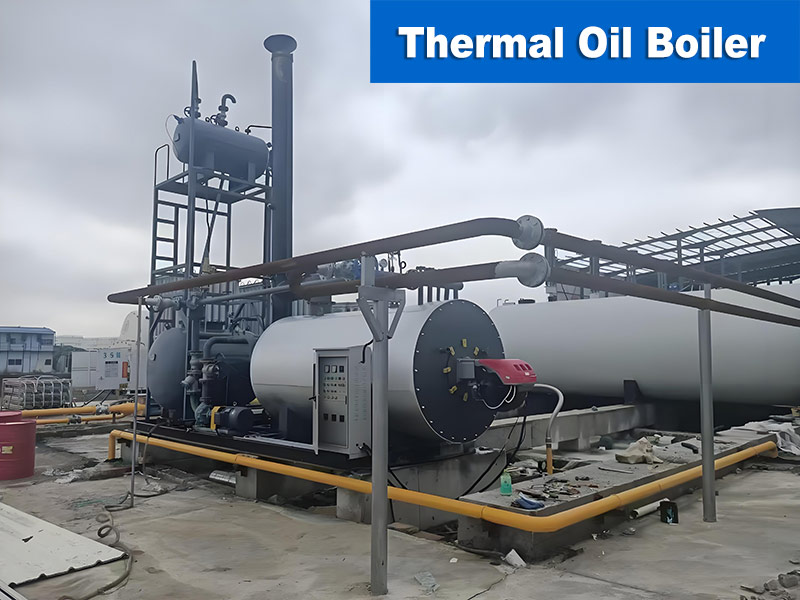
1.3 أنواع وهياكل الوقود الشائعة
- حسب نوع الوقود: تعمل بالغاز, تعمل بالنفط, تعمل بالفحم, غلايات الزيت الحراري الكهربائية;
- حسب الهيكل: رَأسِيّ (سلسلة YQL), أفقي (سلسلة YQW);
- عادة ما يتم التعبير عن القدرة في ميغاواط أو سعر حراري / ساعة.
1.4 التطبيقات النموذجية
تستخدم على نطاق واسع في:
- البتروكيماويات
- النسيج والصباغة
- البلاستيك والمطاط
- تجهيز الأغذية
- معالجة الأخشاب
- تسخين الأسفلت
- طلاء وعلاج
- تجفيف رمل المسبك
مناسبة للعمليات التي تتطلب درجات حرارة تصل إلى ≥350 درجة مئوية
2. ما هي غلاية البخار? — مبدأ العمل وهيكل النظام
2.1 تعريف الغلايات البخارية
أ غلاية بخارية عبارة عن وعاء ضغط يحول الماء إلى بخار من خلال احتراق الوقود أو التسخين الكهربائي, توفير الطاقة الحرارية للإنتاج الصناعي وتوليد الطاقة.
2.2 مبدأ العمل
- الحرارة المتولدة من احتراق الوقود تعمل على تسخين الماء داخل المرجل;
- يغلي الماء ويتحول إلى بخار مشبع أو شديد السخونة;
- يتم نقل البخار إلى معدات الاستخدام النهائي ويطلق الحرارة أثناء التكثيف;
- يعود المكثف إلى المرجل, يتم علاجه, وإعادة تسخينه, استكمال الدورة.
الميزة الرئيسية:
تتضمن عملية نقل الحرارة تغيير المرحلة (السائل → البخار → السائل), إطلاق الحرارة الكامنة بكثافة طاقة عالية.
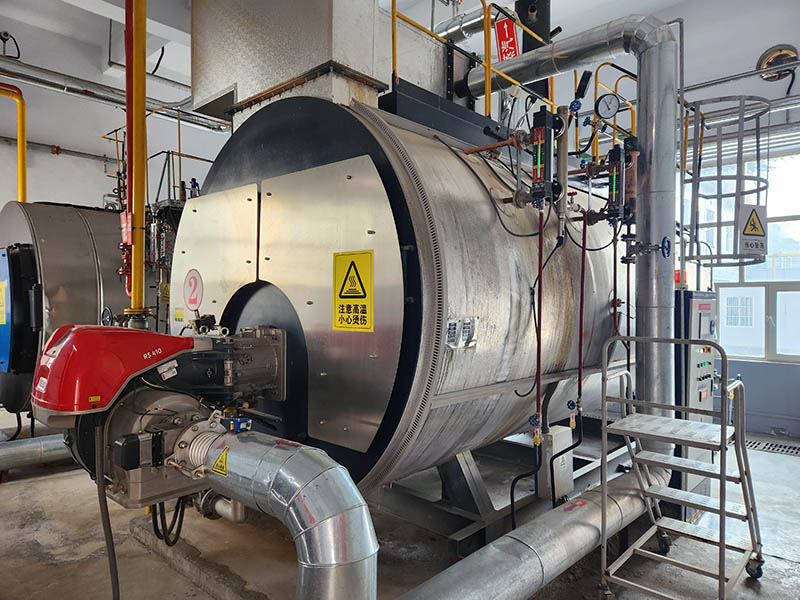
2.3 الأنواع الشائعة
- حسب الهيكل: غلايات أنابيب النار, غلايات أنابيب المياه;
- بالوقود: غاز, زيت, الفحم, الكتلة الحيوية, غلايات البخار الكهربائية;
- يتم التعبير عن السعة عادةً بـ طن/ساعة (ذ).
2.4 التطبيقات النموذجية
تستخدم على نطاق واسع في:
- تجهيز الأغذية
- النسيج والصباغة
- الصناعات الكيميائية والدوائية
- صناعة الورق
- توليد الطاقة
- المستشفيات وأنظمة التعقيم
3. الاختلافات الرئيسية: غلايات الزيت الحراري مقابل غلايات البخار
3.1 مقارنة نقل الحرارة المتوسطة
| المعلمة | غلاية الزيت الحراري | غلاية بخارية |
|---|---|---|
| متوسطة الحرارة | زيت حراري | ماء |
| تغيير المرحلة | لا (دائما سائلة) | نعم (الماء → البخار → الماء) |
| نوع الحرارة | حرارة معقولة | كامنة + حرارة معقولة |
3.2 خصائص درجة الحرارة والضغط
| المعلمة | غلاية الزيت الحراري | غلاية بخارية |
|---|---|---|
| درجة حرارة العمل | تصل إلى 350-400 درجة مئوية | يعتمد على الضغط |
| ضغط العمل | قليل (0.3-0.8 ميجا باسكال, درجة حرارة عالية عند الضغط المنخفض) | عالي (≈10 ميجا باسكال لبخار 300 درجة مئوية) |
| التحكم في درجة الحرارة | دقة ±1–3 درجة مئوية | أقل مرونة |
3.3 مقارنة الكفاءة الحرارية
- غلايات الزيت الحراري عادة ما تحقق حوالي 85% كفاءة, ولكن من دون فقدان تغيير الطور أو مشكلات استرداد المكثفات, غالبًا ما يكون أدائهم في العالم الحقيقي متفوقًا;
- غلايات البخار يمكن أن تصل 95% كفاءة الاحتراق, ولكن تعاني من خسارة الانفجار, فقدان المكثفات, وفقدان الإشعاع;
تحت نفس ظروف التشغيل, يمكن لأنظمة الزيت الحراري أن تنقذ زيادة 25% طاقة, وحتى 50% عندما يكون من الصعب استعادة المكثفات.
3.4 مقارنة السلامة
| عامل | غلاية الزيت الحراري | غلاية بخارية |
|---|---|---|
| المخاطر الرئيسية | تسرب الزيت وخطر الحريق | انفجار الضغط العالي |
| ميزة السلامة | عملية الضغط المنخفض | معايير ناضجة |
ملحوظة:
تتطلب أنظمة الزيت الحراري منع التسرب ومراقبة الزيت; تتطلب أنظمة البخار عمليات فحص صارمة لجودة المياه والضغط.
هل تبحث عن أفضل حل للغلايات لمصنعك؟?
أبحث عن غلاية بخارية?
اتصل بنا اليوم للحصول على حل مخصص للغلايات البخارية وتقييم مجاني لكفاءة الطاقة. يقدم فريقنا الهندسي الخبير الدعم الكامل بدءًا من التصميم وحتى التثبيت.
3.5 تكلفة الصيانة والتشغيل
| عامل | غلاية الزيت الحراري | غلاية بخارية |
|---|---|---|
| تردد الصيانة | قليل | عالي |
| محتوى الصيانة | استبدال الزيت (كل 5-10 سنوات) | معالجة المياه, تنظيف, صيانة المصيدة |
| استهلاك المياه | لا أحد | عالي |
| تكلفة الصيانة السنوية | 5– 8% من تكلفة المعدات | 10-15% |
3.6 المزايا والعيوب
غلاية الزيت الحراري – المزايا
- ارتفاع درجة الحرارة عند الضغط المنخفض
- التحكم الدقيق في درجة الحرارة (±1 درجة مئوية)
- لا حاجة لمعالجة المياه
- نظام مغلق مع الحد الأدنى من فقدان الحرارة
غلاية الزيت الحراري – العيوب
- تكلفة استبدال الزيت الحراري
- تحلل الزيت عند درجة حرارة عالية
- خطر الحريق بسبب التسرب
- ارتفاع درجة حرارة غاز المداخن
غلايات البخار – المزايا
- كثافة طاقة عالية
- التكنولوجيا الناضجة
- مناسبة لتطبيقات البخار المباشر
- قدرة قوية على التكيف مع الوقود
غلايات البخار – العيوب
- ارتفاع درجة الحرارة يتطلب ضغطا عاليا
- عملية معقدة (معالجة المياه المطلوبة)
- يزيد نظام المكثفات من صعوبة الصيانة
- بصمة أكبر
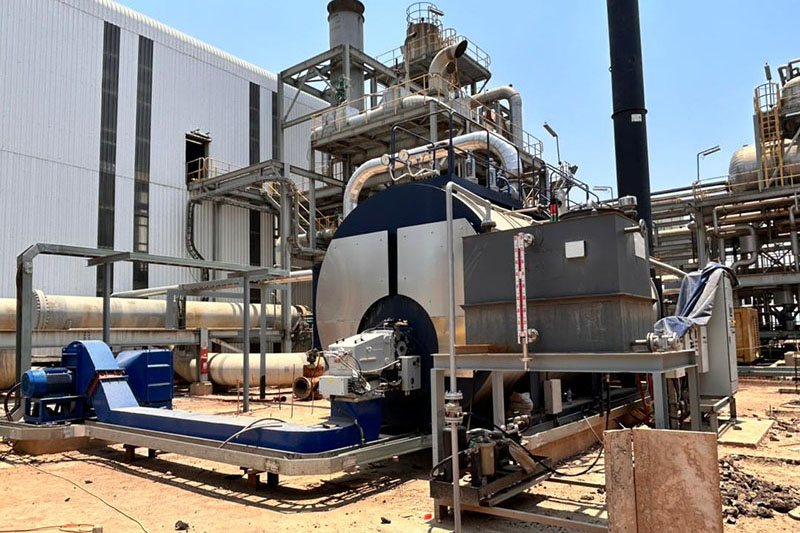
4. مقارنة التطبيقات: ما هي الصناعة التي يجب أن تختار أي منها?
4.1 مناسبة لغلايات الزيت الحراري
- الصناعة الكيميائية (المفاعلات, التقطير, البلمرة)
- تشطيب المنسوجات (الدعامات, مجففات)
- معالجة البلاستيك والمطاط
- تسخين الأسفلت
- معالجة الأخشاب
- قلي الطعام وخبزه
- عمليات الطلاء والمعالجة
الأفضل للعمليات التي تتطلب >180درجة مئوية
4.2 مناسبة للغلايات البخارية
- تجهيز الأغذية (تعقيم, طبخ)
- التعقيم الدوائي (134درجة مئوية من البخار)
- توليد الطاقة
- ترطيب النسيج
- صناعة الورق
- المستشفيات
الأفضل للعمليات التي تتطلب <180درجة مئوية أو بخار مباشر
5. دليل الاختيار: كيفية اختيار المرجل المناسب
5.1 إطار القرار المكون من خمس خطوات
خطوة 1: متطلبات درجة الحرارة
- أقل من 180 درجة مئوية → غلاية بخارية
- فوق 180 درجة مئوية → غلاية الزيت الحراري
خطوة 2: خصائص الحمل الحراري
- التشغيل المستمر → غلاية الزيت الحراري
- متقطع / استجابة سريعة → غلاية بخارية
خطوة 3: متطلبات السلامة والبيئة
- الضغط المنخفض وارتفاع درجة الحرارة → الزيت الحراري
- مطلوب بخار مباشر → غلاية بخارية
خطوة 4: تكلفة دورة الحياة
- الزيت الحراري → انخفاض التكلفة على المدى الطويل
- البخار → ارتفاع تكلفة الصيانة والتشغيل
خطوة 5: توافق النظام
- شبكة البخار الحالية?
- التوسع المستقبلي?
- هامش القدرة (10%)?
5.2 الأخطاء الشائعة
- بافتراض أن ارتفاع درجة الحرارة يتطلب ضغطًا عاليًا
- بافتراض أن البخار أرخص دائمًا
- تجاهل تدهور الزيت الحراري
- التفكير في أنه يمكن استخدام نظام واحد فقط
في الواقع, يمكن الجمع بين كلا النظامين.
6. هل يمكن الجمع بين غلايات الزيت الحراري وغلايات البخار?
نعم. في تطبيقات معينة:
- توفر غلاية الزيت الحراري حرارة عالية الحرارة
- المبادلات الحرارية تولد البخار
- يمكن أن تصل كفاءة النظام مجتمعة 90%+
مثالية للعمليات الصناعية المعقدة التي تتطلب كلا النوعين من الحرارة.
7. خاتمة: توصية الاختيار النهائي
| عامل | اختر غلاية الزيت الحراري | اختر غلايات البخار |
|---|---|---|
| درجة حرارة | >180درجة مئوية | <180درجة مئوية |
| حساسية الضغط | عالي | مقبول |
| متطلبات البخار | لا | نعم |
| دقة درجة الحرارة | عالي | واسطة |
| توافر المياه | محدود | كافٍ |
| صيانة | بسيط | مطلوب فريق متخصص |
| ميزانية | محدود | أعلى |
| وضع التشغيل | مستمر | متقطع |
التوصيات الرئيسية
- يختار غلاية الزيت الحراري لارتفاع درجة الحرارة (>200درجة مئوية), تحكم دقيق, سلامة الضغط المنخفض, وكفاءة الطاقة
- يختار غلاية بخارية لدرجة الحرارة المنخفضة (<180درجة مئوية), استخدام البخار المباشر, والتبادل الحراري السريع
إذا لم تكن متأكدا, استشر موردًا محترفًا بشأن بيانات العملية الخاصة بك (درجة حرارة, الطلب على الحرارة, وضع التشغيل, ظروف الوقود).
8. الأسئلة الشائعة
1. هل غلاية الزيت الحراري أغلى من غلاية البخار?
لنفس القدرة, غلايات الزيت الحراري عادة ما تكون أقل قليلاً في تكلفة المعدات, لكن التكلفة الإجمالية تعتمد على التشغيل والصيانة.
2. ما هي درجة الحرارة التي يمكن أن تصل إليها غلاية الزيت الحراري?
حتى 350-400 درجة مئوية, اعتمادًا على نوع الزيت وتصميم النظام.
3. ما هي درجة الحرارة التي يمكن أن تصل إليها غلاية البخار?
فوق 540درجة مئوية, ولكنها تتطلب ضغطًا عاليًا جدًا.
4. كم مرة يجب استبدال الزيت الحراري?
عادة كل 5– 10 سنوات, اعتمادا على ظروف التشغيل.
5. هل يمكن استخدام كلا النظامين معا?
نعم. يمكن أن تصل الأنظمة المجمعة 90%+ كفاءة.
6. وهو أكثر أمانا, غلاية الزيت الحراري أو غلاية البخار?
تعمل غلايات الزيت الحراري عند ضغط منخفض مع انخفاض خطر الانفجار; غلايات البخار هي أنظمة ناضجة ذات معايير سلامة صارمة.
احصل على حل اختيار مجاني
إذا كنت لا تزال غير متأكد من اختيار غلاية الزيت الحراري أو غلاية البخار, لا تتردد في الاتصال بنا مع تفاصيل العملية الخاصة بك (درجة حرارة, الحمل الحراري, وضع التشغيل, إلخ.).
انقر للاستفسار أو اتصل: +86 13838225665


