
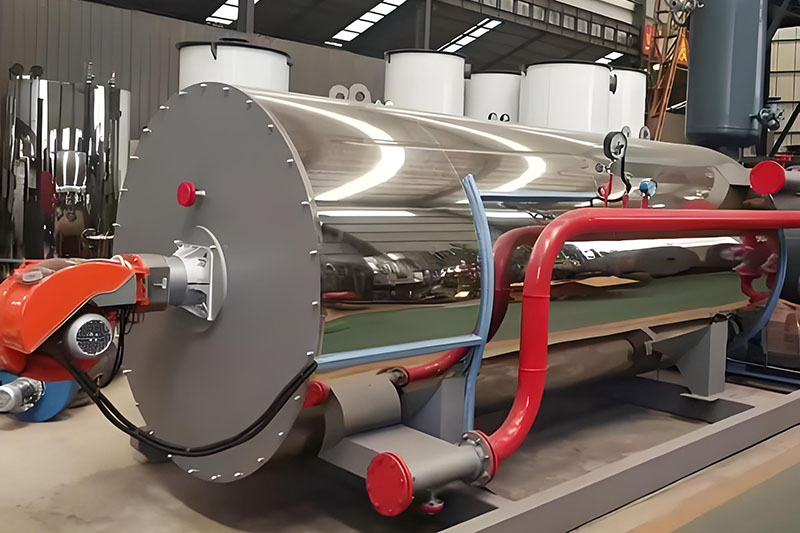
1. Apa Itu Boiler Minyak Termal? — Prinsip Kerja dan Struktur Sistem
1.1 Pengertian Boiler Minyak Termal
A ketel minyak termal (juga dikenal sebagai pemanas minyak panas atau ketel pembawa panas organik) adalah sistem energi panas. Ini menggunakan minyak termal (oli sintetis atau mineral) sebagai media perpindahan panas dan menghantarkan panas melaluinya sirkulasi fase cair paksa melalui pompa.
1.2 Prinsip Kerja
- Bahan bakar dibakar di ruang bakar untuk menghasilkan panas;
- Minyak termal di dalam kumparan atau tabung menyerap panas;
- Minyak yang dipanaskan disirkulasikan melalui pipa tertutup oleh pompa sirkulasi;
- Oli bersuhu tinggi mentransfer panas yang masuk akal ke peralatan penggunaan akhir (tidak terjadi perubahan fasa);
- Minyak yang didinginkan dikembalikan ke boiler untuk dipanaskan kembali, membentuk sistem loop tertutup.
Fitur Utama:
Minyak termal tetap masuk fase cair selama proses berlangsung, dengan perbedaan suhu antara suplai dan pengembalian biasanya saja 20–30°C.
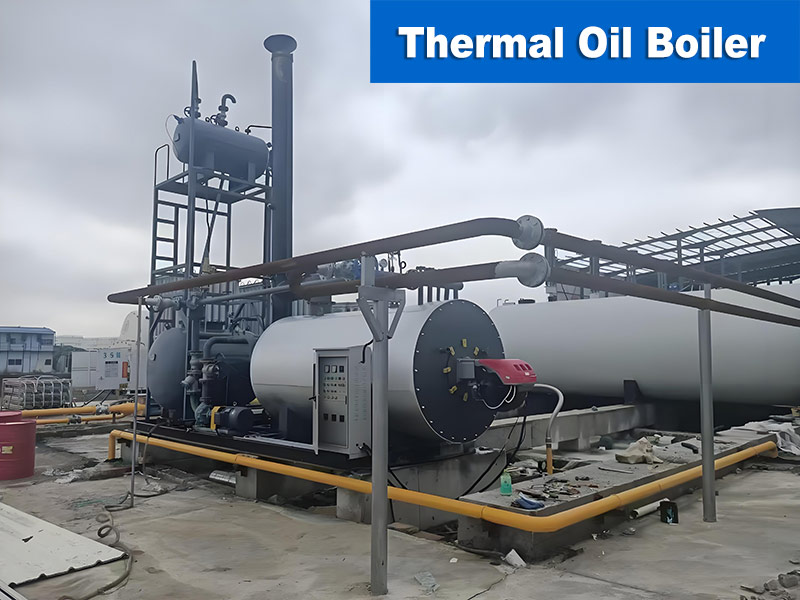
1.3 Jenis dan Struktur Bahan Bakar Umum
- Berdasarkan jenis bahan bakar: berbahan bakar gas, berbahan bakar minyak, berbahan bakar batu bara, boiler minyak termal listrik;
- Berdasarkan struktur: vertikal (seri YQL), horisontal (Seri YQW);
- Kapasitas biasanya dinyatakan dalam MW atau kkal/jam.
1.4 Aplikasi Khas
Banyak digunakan di:
- Petrokimia
- Tekstil dan pewarnaan
- Plastik dan karet
- Pengolahan makanan
- Pengolahan kayu
- Pemanasan aspal
- Pelapisan dan pengawetan
- Pengeringan pasir pengecoran
Cocok untuk proses yang membutuhkan suhu hingga ≤350°C
2. Apa Itu Ketel Uap? — Prinsip Kerja dan Struktur Sistem
2.1 Pengertian Ketel Uap
A ketel uap adalah bejana bertekanan yang mengubah air menjadi uap melalui pembakaran bahan bakar atau pemanasan listrik, menyediakan energi panas untuk produksi industri dan pembangkit listrik.
2.2 Prinsip Kerja
- Panas yang dihasilkan dari pembakaran bahan bakar memanaskan air di dalam boiler;
- Air mendidih dan berubah menjadi uap jenuh atau super panas;
- Uap diangkut ke peralatan penggunaan akhir dan melepaskan panas selama kondensasi;
- Kondensat kembali ke boiler, dirawat, dan dipanaskan kembali, menyelesaikan siklus.
Fitur Utama:
Proses perpindahan panas melibatkan perubahan fase (cair → uap → cair), melepaskan panas laten dengan kepadatan energi tinggi.
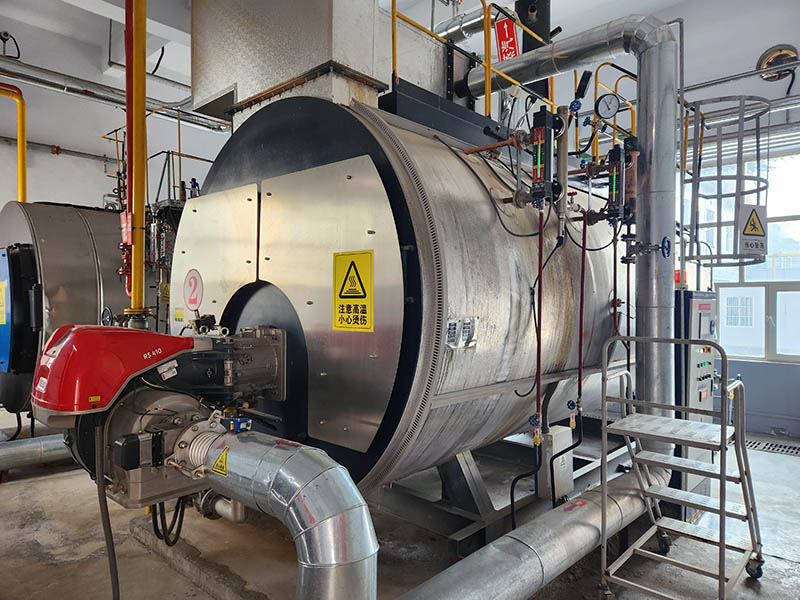
2.3 Tipe Umum
- Berdasarkan struktur: ketel pipa api, boiler pipa air;
- Oleh bahan bakar: gas, minyak, batu bara, biomassa, ketel uap listrik;
- Kapasitas biasanya dinyatakan dalam ton/jam (th).
2.4 Aplikasi Khas
Banyak digunakan di:
- Pengolahan makanan
- Tekstil dan pewarnaan
- Industri kimia dan farmasi
- Pembuatan kertas
- Pembangkit listrik
- Rumah sakit dan sistem sterilisasi
3. Perbedaan Utama: Ketel Minyak Termal vs Ketel Uap
3.1 Perbandingan Media Perpindahan Panas
| Parameter | Ketel Minyak Termal | Ketel Uap |
|---|---|---|
| Panas Sedang | Minyak termal | Air |
| Perubahan Fase | TIDAK (selalu cair) | Ya (air → uap → air) |
| Tipe Panas | Panas yang masuk akal | Terpendam + panas yang masuk akal |
3.2 Karakteristik Suhu dan Tekanan
| Parameter | Ketel Minyak Termal | Ketel Uap |
|---|---|---|
| Suhu Kerja | Hingga 350–400°C | Tergantung pada tekanan |
| Tekanan Kerja | Rendah (0.3–0,8 MPa, suhu tinggi pada tekanan rendah) | Tinggi (≈10 MPa untuk uap 300°C) |
| Kontrol Suhu | presisi ±1–3°C | Kurang fleksibel |
3.3 Perbandingan Efisiensi Termal
- Boiler minyak termal biasanya mencapai sekitar 85% efisiensi, tetapi tanpa masalah kehilangan perubahan fasa atau pemulihan kondensat, kinerja mereka di dunia nyata seringkali lebih unggul;
- Ketel uap bisa mencapai 95% efisiensi pembakaran, tapi menderita kerugian blowdown, kehilangan kondensat, dan kehilangan radiasi;
Dalam kondisi operasi yang sama, sistem minyak termal dapat menghemat lebih 25% energi, dan hingga 50% ketika pemulihan kondensat sulit dilakukan.
3.4 Perbandingan Keamanan
| Faktor | Ketel Minyak Termal | Ketel Uap |
|---|---|---|
| Resiko Utama | Kebocoran minyak dan bahaya kebakaran | Ledakan bertekanan tinggi |
| Keuntungan Keamanan | Operasi tekanan rendah | Standar yang matang |
Catatan:
Sistem oli termal memerlukan pencegahan kebocoran dan pemantauan oli; sistem uap memerlukan pemeriksaan kualitas dan tekanan air yang ketat.
Mencari solusi boiler terbaik untuk pabrik Anda?
Mencari Ketel Uap?
Hubungi kami hari ini untuk solusi ketel uap khusus dan penilaian efisiensi energi gratis. Tim teknik ahli kami memberikan dukungan penuh mulai dari desain hingga pemasangan.
3.5 Biaya Pemeliharaan dan Pengoperasian
| Faktor | Ketel Minyak Termal | Ketel Uap |
|---|---|---|
| Frekuensi Perawatan | Rendah | Tinggi |
| Konten Pemeliharaan | Penggantian oli (setiap 5–10 tahun) | Pengolahan air, pembersihan, pemeliharaan perangkap |
| Konsumsi Air | Tidak ada | Tinggi |
| Biaya Pemeliharaan Tahunan | 5–8% dari biaya peralatan | 10–15% |
3.6 Keuntungan dan Kerugian
Boiler Minyak Termal – Keuntungan
- Suhu tinggi pada tekanan rendah
- Kontrol suhu yang tepat (±1°C)
- Tidak diperlukan pengolahan air
- Sistem tertutup dengan kehilangan panas minimal
Boiler Minyak Termal – Kekurangan
- Biaya penggantian oli termal
- Degradasi minyak pada suhu tinggi
- Risiko kebakaran karena kebocoran
- Temperatur gas buang lebih tinggi
Ketel Uap – Keuntungan
- Kepadatan energi yang tinggi
- Teknologi yang matang
- Cocok untuk aplikasi uap langsung
- Kemampuan beradaptasi bahan bakar yang kuat
Ketel Uap – Kekurangan
- Suhu tinggi memerlukan tekanan tinggi
- Operasi yang kompleks (diperlukan pengolahan air)
- Sistem kondensat meningkatkan kesulitan pemeliharaan
- Jejak yang lebih besar
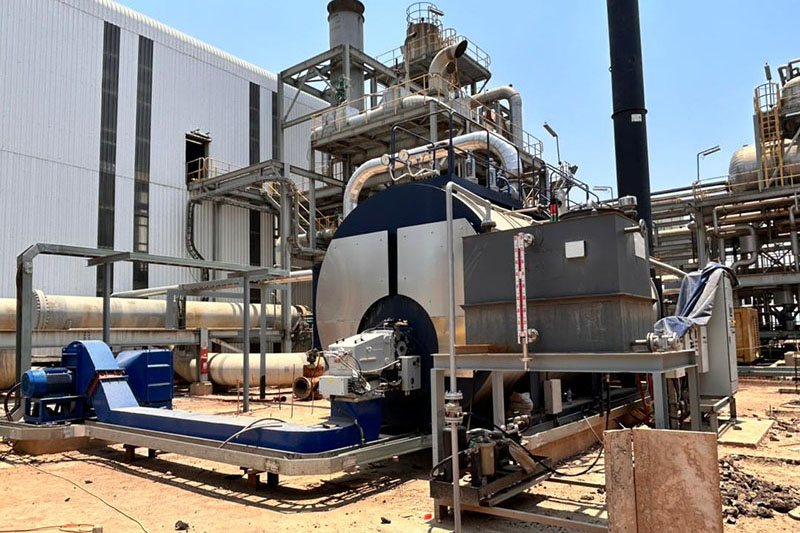
4. Perbandingan Aplikasi: Industri Mana Yang Harus Memilih Yang Mana?
4.1 Cocok untuk Boiler Minyak Termal
- Industri kimia (reaktor, distilasi, polimerisasi)
- Penyelesaian tekstil (stenter, pengering)
- Pengolahan plastik dan karet
- Pemanasan aspal
- Pengolahan kayu
- Menggoreng dan memanggang makanan
- Proses pelapisan dan pengawetan
Terbaik untuk proses yang membutuhkan >180°C
4.2 Cocok untuk Ketel Uap
- Pengolahan makanan (sterilisasi, memasak)
- Sterilisasi farmasi (134°C uap)
- Pembangkit listrik
- Pelembab tekstil
- Industri kertas
- Rumah Sakit
Terbaik untuk proses yang membutuhkan <180°C atau uap langsung
5. Panduan Seleksi: Cara Memilih Ketel yang Tepat
5.1 Kerangka Keputusan Lima Langkah
Melangkah 1: Persyaratan Suhu
- Di bawah 180°C → Ketel uap
- Di atas 180°C → Ketel minyak termal
Melangkah 2: Karakteristik Beban Panas
- Pengoperasian berkelanjutan → Ketel minyak termal
- Berselang / respon cepat → Ketel uap
Melangkah 3: Persyaratan Keselamatan dan Lingkungan
- Tekanan rendah suhu tinggi → Minyak termal
- Dibutuhkan uap langsung → Ketel uap
Melangkah 4: Biaya Siklus Hidup
- Minyak termal → Menurunkan biaya jangka panjang
- Steam → Biaya perawatan dan pengoperasian lebih tinggi
Melangkah 5: Kompatibilitas Sistem
- Jaringan uap yang ada?
- Ekspansi di masa depan?
- Margin kapasitas (10%)?
5.2 Kesalahan Umum
- Dengan asumsi suhu tinggi memerlukan tekanan tinggi
- Dengan asumsi uap selalu lebih murah
- Mengabaikan degradasi oli termal
- Berpikir hanya satu sistem yang dapat digunakan
Pada kenyataannya, kedua sistem dapat digabungkan.
6. Bisakah Boiler Minyak Termal dan Boiler Uap Dikombinasikan?
Ya. Dalam aplikasi tertentu:
- Ketel minyak termal menghasilkan panas bersuhu tinggi
- Penukar panas menghasilkan uap
- Efisiensi sistem gabungan dapat dicapai 90%+
Ideal untuk proses industri kompleks yang memerlukan kedua jenis panas.
7. Kesimpulan: Rekomendasi Seleksi Akhir
| Faktor | Pilih Boiler Minyak Termal | Pilih Ketel Uap |
|---|---|---|
| Suhu | >180°C | <180°C |
| Sensitivitas Tekanan | Tinggi | Dapat diterima |
| Kebutuhan Uap | TIDAK | Ya |
| Presisi Suhu | Tinggi | Sedang |
| Ketersediaan Air | Terbatas | Memadai |
| Pemeliharaan | Sederhana | Diperlukan tim yang berdedikasi |
| Anggaran | Terbatas | Lebih tinggi |
| Modus Operasi | Kontinu | Berselang |
Rekomendasi Utama
- Memilih ketel minyak termal untuk suhu tinggi (>200°C), kontrol yang tepat, keamanan tekanan rendah, dan efisiensi energi
- Memilih ketel uap untuk suhu rendah (<180°C), penggunaan uap langsung, dan pertukaran panas yang cepat
Jika tidak yakin, konsultasikan dengan pemasok profesional dengan data proses Anda (suhu, permintaan panas, modus operasi, kondisi bahan bakar).
8. FAQ
1. Apakah thermal oil boiler lebih mahal dibandingkan steam boiler?
Untuk kapasitas yang sama, boiler minyak termal biasanya memiliki biaya peralatan yang sedikit lebih rendah, tetapi total biaya tergantung pada pengoperasian dan pemeliharaan.
2. Berapa suhu yang dapat dicapai oleh boiler minyak termal?
Hingga 350–400°C, tergantung pada jenis oli dan desain sistem.
3. Berapa suhu yang bisa dicapai ketel uap?
Di atas 540°C, namun memerlukan tekanan yang sangat tinggi.
4. Seberapa sering oli termal harus diganti?
Biasanya setiap 5–10 tahun, tergantung pada kondisi pengoperasian.
5. Bisakah kedua sistem digunakan bersama-sama?
Ya. Sistem gabungan dapat mencapai 90%+ efisiensi.
6. Mana yang lebih aman, ketel minyak termal atau ketel uap?
Boiler minyak termal beroperasi pada tekanan rendah dengan risiko ledakan lebih rendah; ketel uap adalah sistem yang matang dengan standar keselamatan yang ketat.
Dapatkan Solusi Seleksi Gratis
Jika Anda masih ragu memilih thermal oil boiler atau steam boiler, jangan ragu untuk menghubungi kami dengan detail proses Anda (suhu, beban panas, modus operasi, dll.).
Klik untuk bertanya atau menelepon: +86 13838225665


