
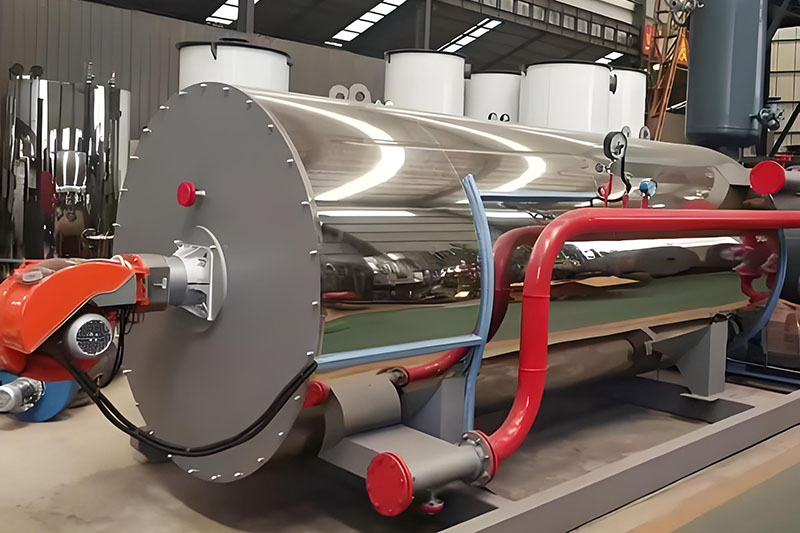
1. ¿Qué es una caldera de aceite térmico?? — Principio de funcionamiento y estructura del sistema
1.1 Definición de caldera de aceite térmico
A caldera de aceite termico (También conocido como calentador de aceite caliente o caldera con portador de calor orgánico.) es un sistema de energía térmica. se utiliza aceite termico (aceite sintético o mineral) como medio de transferencia de calor y entrega calor a través Circulación forzada en fase líquida mediante una bomba..
1.2 Principio de funcionamiento
- El combustible se quema en la cámara de combustión para generar calor.;
- El aceite térmico dentro de las bobinas o tubos absorbe el calor.;
- El aceite calentado circula a través de una tubería cerrada mediante una bomba de circulación.;
- El aceite de alta temperatura transfiere calor sensible al equipo de uso final (no se produce ningún cambio de fase);
- El aceite enfriado regresa a la caldera para recalentarse., formando un sistema de circuito cerrado.
Característica clave:
El aceite térmico permanece en Fase líquida durante todo el proceso., con una diferencia de temperatura entre el suministro y el retorno normalmente solo 20–30°C.
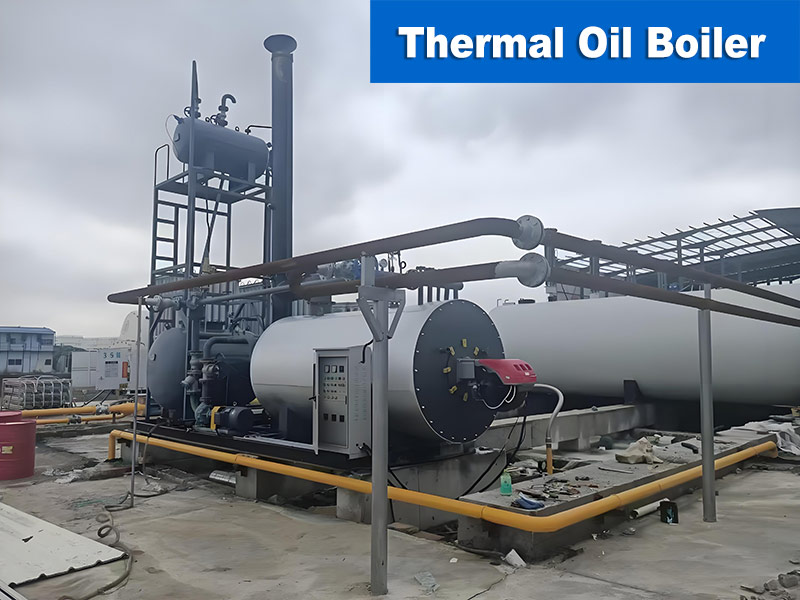
1.3 Tipos y estructuras de combustible comunes
- Por tipo de combustible: de gas, de gasoil, alimentado con carbón, calderas electricas de aceite termico;
- Por estructura: vertical (Serie YQL), horizontal (Serie YQW);
- La capacidad generalmente se expresa en MW o kcal/h.
1.4 Aplicaciones típicas
Ampliamente utilizado en:
- Petroquímico
- Textil y teñido
- Plásticos y caucho
- Procesamiento de alimentos
- procesamiento de madera
- Calefacción de asfalto
- Recubrimiento y curado
- Secado de arena de fundición
Adecuado para procesos que requieren temperaturas de hasta ≤350°C
2. ¿Qué es una caldera de vapor?? — Principio de funcionamiento y estructura del sistema
2.1 Definición de caldera de vapor
A caldera de vapor Es un recipiente a presión que convierte el agua en vapor mediante la combustión de combustible o calentamiento eléctrico., Proporcionar energía térmica para la producción industrial y la generación de energía..
2.2 Principio de funcionamiento
- El calor generado por la combustión de combustible calienta el agua dentro de la caldera.;
- El agua hierve y se convierte en vapor saturado o sobrecalentado.;
- El vapor se transporta al equipo de uso final y libera calor durante la condensación.;
- El condensado regresa a la caldera., es tratado, y recalentado, completando el ciclo.
Característica clave:
El proceso de transferencia de calor implica cambio de fase (líquido → vapor → líquido), Liberando calor latente con alta densidad de energía..
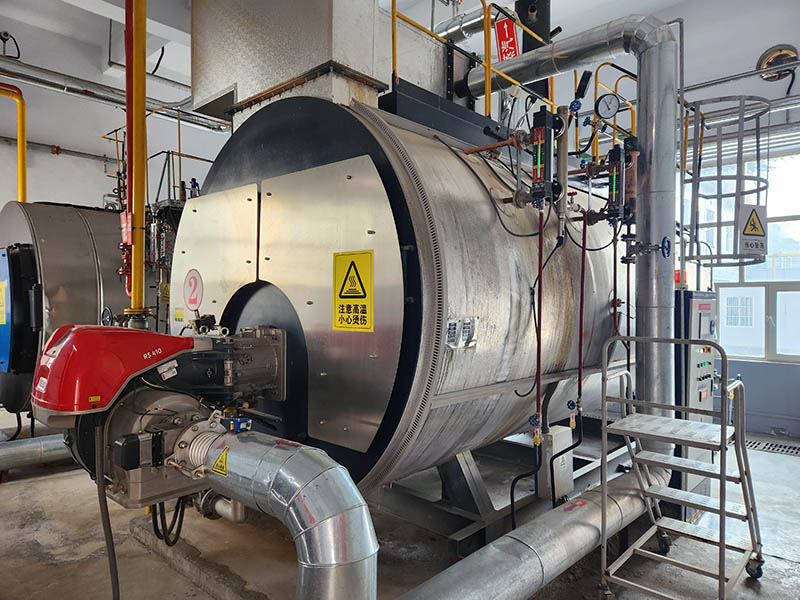
2.3 Tipos comunes
- Por estructura: calderas pirotubulares, calderas acuotubulares;
- Por combustible: gas, aceite, carbón, biomasa, calderas de vapor electricas;
- La capacidad normalmente se expresa en tonelada/hora (t/h).
2.4 Aplicaciones típicas
Ampliamente utilizado en:
- Procesamiento de alimentos
- Textil y teñido
- Industrias química y farmacéutica.
- Fabricación de papel
- Generación de energía
- Hospitales y sistemas de esterilización.
3. Diferencias clave: Caldera de aceite térmico versus caldera de vapor
3.1 Comparación de medios de transferencia de calor
| Parámetro | Caldera de aceite térmico | Caldera de vapor |
|---|---|---|
| Calor medio | aceite termico | Agua |
| Cambio de fase | No (siempre liquido) | Sí (agua → vapor → agua) |
| Tipo de calor | Calor sensible | Latente + calor sensible |
3.2 Características de temperatura y presión
| Parámetro | Caldera de aceite térmico | Caldera de vapor |
|---|---|---|
| Temperatura de trabajo | Hasta 350–400°C | Depende de la presión |
| Presión de trabajo | Bajo (0.3–0,8 MPa, alta temperatura a baja presión) | Alto (≈10 MPa para vapor a 300°C) |
| Control de temperatura | Precisión de ±1–3°C | Menos flexible |
3.3 Comparación de eficiencia térmica
- Las calderas de aceite térmico suelen alcanzar aproximadamente 85% eficiencia, pero sin pérdida por cambio de fase ni problemas de recuperación de condensado, su rendimiento en el mundo real suele ser superior;
- Las calderas de vapor pueden alcanzar 95% eficiencia de combustión, pero sufre una pérdida por purga, pérdida de condensado, y pérdida de radiación;
En las mismas condiciones de funcionamiento, Los sistemas de aceite térmico pueden ahorrar encima 25% energía, y hasta 50% cuando la recuperación del condensado es difícil.
3.4 Comparación de seguridad
| Factor | Caldera de aceite térmico | Caldera de vapor |
|---|---|---|
| Riesgo principal | Fuga de aceite y peligro de incendio. | Explosión de alta presión |
| Ventaja de seguridad | Operación de baja presión | Estándares maduros |
Nota:
Los sistemas de aceite térmico requieren prevención de fugas y monitoreo de aceite; Los sistemas de vapor requieren inspecciones estrictas de calidad y presión del agua..
Buscando la mejor solución de caldera para su fábrica?
Buscando una caldera de vapor?
Contáctenos hoy para obtener una solución de caldera de vapor personalizada y una evaluación gratuita de la eficiencia energética. Nuestro equipo de ingeniería experto brinda soporte completo desde el diseño hasta la instalación..
3.5 Costo de mantenimiento y operación
| Factor | Caldera de aceite térmico | Caldera de vapor |
|---|---|---|
| Frecuencia de mantenimiento | Bajo | Alto |
| Contenido de mantenimiento | Reemplazo de aceite (cada 5 a 10 años) | Tratamiento de agua, limpieza, mantenimiento de trampas |
| Consumo de agua | Ninguno | Alto |
| Costo de mantenimiento anual | 5–8% del costo del equipo | 10–15% |
3.6 Ventajas y desventajas
Caldera de Aceite Térmico – Ventajas
- Alta temperatura a baja presión.
- Control preciso de la temperatura (±1°C)
- No requiere tratamiento de agua
- Sistema cerrado con mínima pérdida de calor.
Caldera de aceite térmico – Desventajas
- Costo de reemplazo del aceite térmico
- Degradación del aceite a alta temperatura.
- Riesgo de incendio por fuga
- Mayor temperatura de los gases de combustión
Caldera de vapor – Ventajas
- Alta densidad de energía
- Tecnología madura
- Adecuado para aplicaciones de vapor directo
- Fuerte adaptabilidad al combustible
Caldera de vapor – Desventajas
- La alta temperatura requiere alta presión
- Operación compleja (Se requiere tratamiento de agua.)
- El sistema de condensado aumenta la dificultad de mantenimiento
- Huella más grande
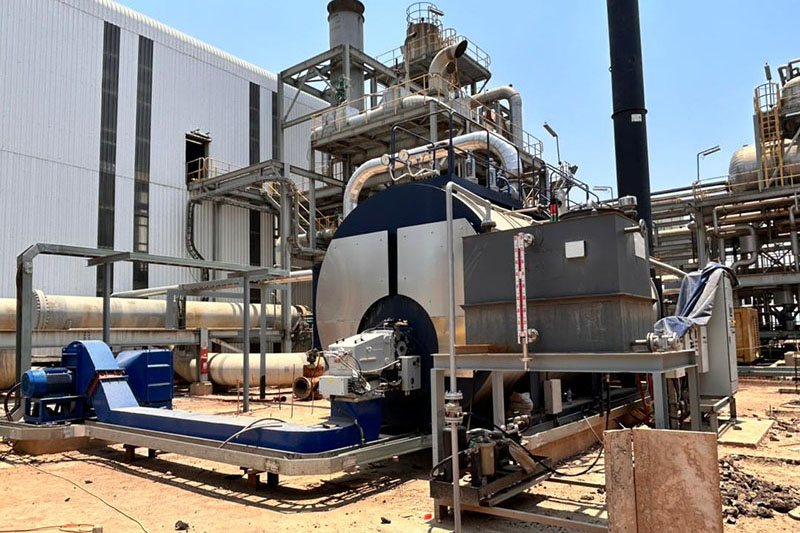
4. Comparación de aplicaciones: ¿Qué industria debería elegir cuál??
4.1 Apto para calderas de aceite térmico
- Industria química (reactores, destilación, polimerización)
- Acabado textil (tensores, secadoras)
- Procesamiento de plásticos y caucho.
- Calefacción de asfalto
- procesamiento de madera
- Freír y hornear alimentos
- Procesos de recubrimiento y curado.
Lo mejor para procesos que requieren >180°C
4.2 Apto para calderas de vapor.
- Procesamiento de alimentos (esterilización, cocinando)
- Esterilización farmacéutica (134°C vapor)
- Generación de energía
- Humidificación textil
- Industria del papel
- hospitales
Lo mejor para procesos que requieren <180°C o vapor directo
5. Guía de selección: Cómo elegir la caldera adecuada
5.1 Marco de decisión de cinco pasos
Paso 1: Requisito de temperatura
- Por debajo de 180°C → Caldera de vapor
- Por encima de 180°C → Caldera de aceite térmico
Paso 2: Características de carga de calor
- Funcionamiento continuo → Caldera de aceite térmico
- Intermitente / respuesta rápida → Caldera de vapor
Paso 3: Requisitos de seguridad y medioambientales
- Baja presión alta temperatura → Aceite térmico
- Se necesita vapor directo → Caldera de vapor
Paso 4: Costo del ciclo de vida
- Aceite térmico → Menor coste a largo plazo
- Vapor → Mayor costo de mantenimiento y operación.
Paso 5: Compatibilidad del sistema
- Red de vapor existente?
- Expansión futura?
- Margen de capacidad (10%)?
5.2 Errores comunes
- Asumir que la temperatura alta requiere alta presión
- Asumir que el vapor siempre es más barato
- Ignorar la degradación del aceite térmico
- Pensar que sólo se puede utilizar un sistema
En realidad, ambos sistemas se pueden combinar.
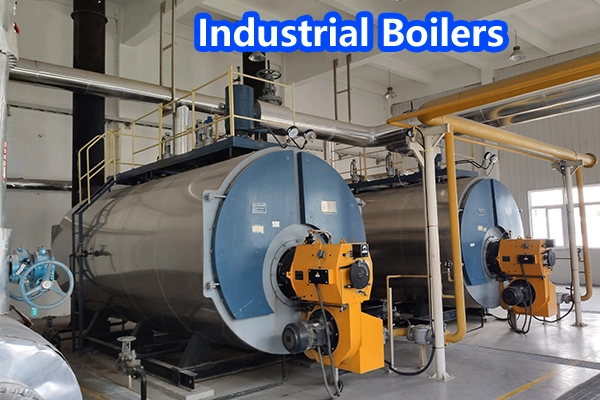
6. ¿Se pueden combinar calderas de aceite térmico y calderas de vapor??
Sí. En ciertas aplicaciones:
- La caldera de aceite térmico proporciona calor a alta temperatura.
- Los intercambiadores de calor generan vapor.
- La eficiencia del sistema combinado puede alcanzar 90%+
Ideal para procesos industriales complejos que requieren ambos tipos de calor..
7. Conclusión: Recomendación de selección final
| Factor | Elija Caldera de Aceite Térmico | Elija caldera de vapor |
|---|---|---|
| Temperatura | >180°C | <180°C |
| Sensibilidad a la presión | Alto | Aceptable |
| Requisito de vapor | No | Sí |
| Precisión de temperatura | Alto | Medio |
| Disponibilidad de agua | Limitado | Suficiente |
| Mantenimiento | Simple | Se requiere equipo dedicado |
| Presupuesto | Limitado | Más alto |
| Modo de operación | Continuo | Intermitente |
Recomendaciones clave
- Elegir caldera de aceite termico para alta temperatura (>200°C), control preciso, seguridad de baja presión, y eficiencia energética
- Elegir caldera de vapor para baja temperatura (<180°C), uso directo de vapor, y rápido intercambio de calor
Si no está seguro, consulte a un proveedor profesional con los datos de su proceso (temperatura, demanda de calor, modo de operación, condiciones del combustible).
8. Preguntas frecuentes
1. ¿Es más cara una caldera de aceite térmico que una caldera de vapor??
Para la misma capacidad, Las calderas de aceite térmico suelen tener un coste de equipo ligeramente inferior., pero el costo total depende de la operación y el mantenimiento..
2. ¿Qué temperatura puede alcanzar una caldera de aceite térmico??
Arriba a 350–400°C, dependiendo del tipo de aceite y del diseño del sistema.
3. ¿Qué temperatura puede alcanzar una caldera de vapor??
Arriba 540°C, pero requiere muy alta presión.
4. ¿Con qué frecuencia se debe cambiar el aceite térmico??
Normalmente cada 5–10 años, dependiendo de las condiciones de funcionamiento.
5. ¿Se pueden utilizar ambos sistemas juntos??
Sí. Los sistemas combinados pueden alcanzar 90%+ eficiencia.
6. cual es mas seguro, caldera de aceite termico o caldera de vapor?
Las calderas de aceite térmico funcionan a baja presión con menor riesgo de explosión; Las calderas de vapor son sistemas maduros con estrictos estándares de seguridad..
Obtenga una solución de selección gratuita
Si aún no estás seguro si elegir una caldera de aceite térmico o una caldera de vapor, no dude en contactarnos con los detalles de su proceso (temperatura, carga de calor, modo de operación, etc.).
Haga clic para consultar o llamar: +86 13838225665


