
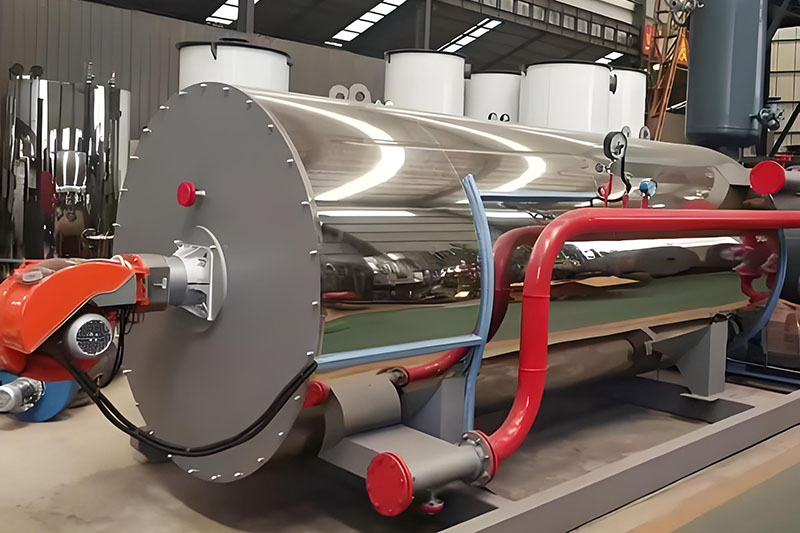
1. تھرمل آئل بوائلر کیا ہے؟? - کام کرنے کا اصول اور نظام کا ڈھانچہ
1.1 Definition of a Thermal Oil Boiler
اے تھرمل تیل بوائلر (اسے گرم تیل کا ہیٹر یا نامیاتی ہیٹ کیریئر بوائلر بھی کہا جاتا ہے۔) حرارتی توانائی کا نظام ہے۔. It uses thermal oil (مصنوعی یا معدنی تیل) as the heat transfer medium and delivers heat through forced liquid-phase circulation via a pump.
1.2 کام کرنے کا اصول
- Fuel is burned in the combustion chamber to generate heat;
- Thermal oil inside coils or tubes absorbs the heat;
- The heated oil is circulated through a closed pipeline by a circulation pump;
- High-temperature oil transfers sensible heat to end-use equipment (no phase change occurs);
- ٹھنڈا تیل دوبارہ گرم کرنے کے لیے بوائلر میں واپس آجاتا ہے۔, forming a closed-loop system.
Key Feature:
Thermal oil remains in liquid phase throughout the process, with a temperature difference between supply and return typically only 20–30°C.
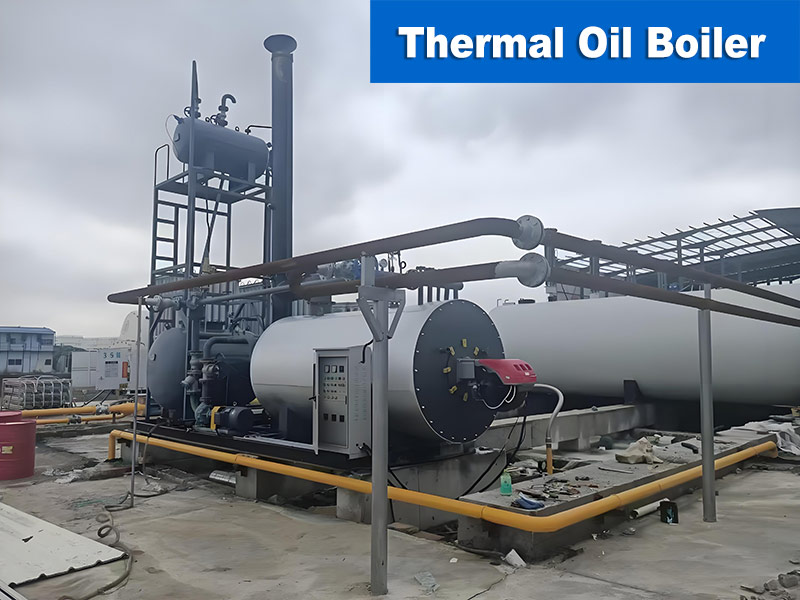
1.3 Common Fuel Types and Structures
- By fuel type: gas-fired, oil-fired, coal-fired, electric thermal oil boilers;
- By structure: عمودی (YQL series), افقی (YQW series);
- Capacity is usually expressed in MW or kcal/h.
1.4 عام ایپلی کیشنز
Widely used in:
- Petrochemical
- Textile and dyeing
- Plastics and rubber
- فوڈ پروسیسنگ
- Wood processing
- Asphalt heating
- Coating and curing
- Foundry sand drying
Suitable for processes requiring temperatures up to ≤350°C
2. بھاپ بوائلر کیا ہے؟? - کام کرنے کا اصول اور نظام کا ڈھانچہ
2.1 Definition of a Steam Boiler
اے بھاپ بوائلر is a pressure vessel that converts water into steam through fuel combustion or electric heating, providing thermal energy for industrial production and power generation.
2.2 کام کرنے کا اصول
- Heat generated from fuel combustion heats water inside the boiler;
- Water boils and turns into saturated or superheated steam;
- Steam is transported to end-use equipment and releases heat during condensation;
- Condensate returns to the boiler, is treated, and reheated, completing the cycle.
Key Feature:
The heat transfer process involves phase change (liquid → vapor → liquid), releasing latent heat with high energy density.
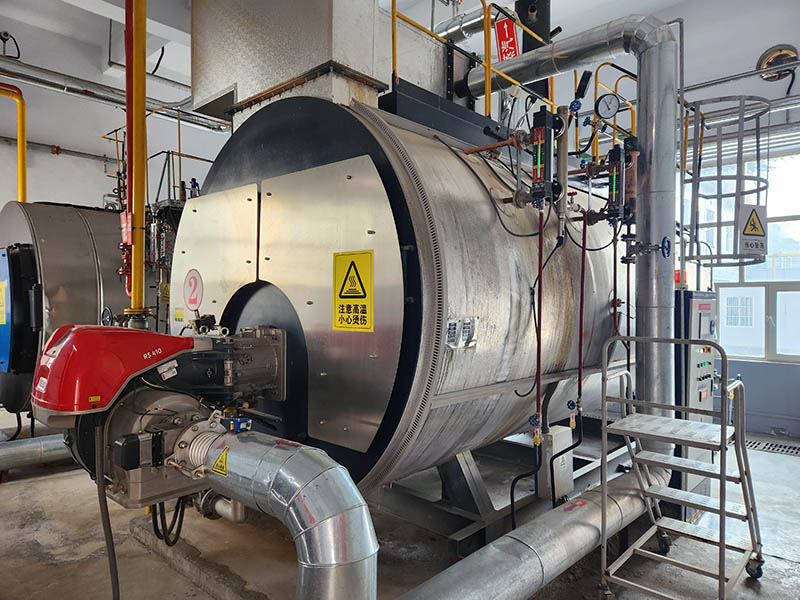
2.3 عام اقسام
- By structure: fire-tube boilers, water-tube boilers;
- By fuel: گیس, تیل, کوئلہ, بایوماس, برقی بھاپ بوائلر;
- Capacity is typically expressed in ٹن/گھنٹہ (t/h).
2.4 عام ایپلی کیشنز
Widely used in:
- فوڈ پروسیسنگ
- Textile and dyeing
- کیمیکل اور دواسازی کی صنعتیں۔
- کاغذ کی تیاری
- بجلی کی پیداوار
- ہسپتال اور نس بندی کے نظام
3. کلیدی اختلافات: تھرمل آئل بوائلر بمقابلہ بھاپ بوائلر
3.1 Heat Transfer Medium Comparison
| پیرامیٹر | تھرمل آئل بوائلر | بھاپ بوائلر |
|---|---|---|
| Heat Medium | تھرمل تیل | پانی |
| Phase Change | نہیں (always liquid) | جی ہاں (water → steam → water) |
| Heat Type | Sensible heat | Latent + sensible heat |
3.2 Temperature and Pressure Characteristics
| پیرامیٹر | تھرمل آئل بوائلر | بھاپ بوائلر |
|---|---|---|
| Working Temperature | Up to 350–400°C | Depends on pressure |
| ورکنگ پریشر | کم (0.3–0.8 MPa, high temp at low pressure) | اعلی (≈10 MPa for 300°C steam) |
| درجہ حرارت کنٹرول | ±1–3°C precision | Less flexible |
3.3 Thermal Efficiency Comparison
- Thermal oil boilers typically achieve about 85% کارکردگی, but without phase change loss or condensate recovery issues, their real-world performance is often superior;
- Steam boilers can reach 95% combustion efficiency, but suffer from blowdown loss, condensate loss, and radiation loss;
Under the same operating conditions, thermal oil systems can save ختم 25% energy, and up to 50% when condensate recovery is difficult.
3.4 حفاظت کا موازنہ
| عامل | تھرمل آئل بوائلر | بھاپ بوائلر |
|---|---|---|
| Main Risk | Oil leakage and fire hazard | High-pressure explosion |
| Safety Advantage | Low-pressure operation | Mature standards |
نوٹ:
Thermal oil systems require leak prevention and oil monitoring; steam systems require strict water quality and pressure inspections.
اپنی فیکٹری کے لیے بہترین بوائلر حل تلاش کر رہے ہیں۔?
بھاپ بوائلر کی تلاش ہے۔?
ہم سے رابطہ کریں۔ آج ایک حسب ضرورت بھاپ بوائلر حل اور مفت توانائی کی کارکردگی کی تشخیص کے لیے. ہماری ماہر انجینئرنگ ٹیم ڈیزائن سے تنصیب تک مکمل تعاون فراہم کرتی ہے۔.
3.5 Maintenance and Operating Cost
| عامل | تھرمل آئل بوائلر | بھاپ بوائلر |
|---|---|---|
| بحالی کی تعدد | کم | اعلی |
| Maintenance Content | Oil replacement (every 5–10 years) | پانی کا علاج, صفائی, trap maintenance |
| Water Consumption | کوئی نہیں۔ | اعلی |
| Annual Maintenance Cost | 5–8% of equipment cost | 10-15% |
3.6 Advantages and Disadvantages
Thermal Oil Boiler – Advantages
- کم دباؤ پر اعلی درجہ حرارت
- عین مطابق درجہ حرارت کنٹرول (±1°C)
- No water treatment required
- Closed system with minimal heat loss
Thermal Oil Boiler – Disadvantages
- Thermal oil replacement cost
- Oil degradation at high temperature
- Fire risk due to leakage
- Higher flue gas temperature
Steam Boiler – Advantages
- High energy density
- Mature technology
- Suitable for direct steam applications
- Strong fuel adaptability
Steam Boiler – Disadvantages
- High temperature requires high pressure
- Complex operation (water treatment required)
- Condensate system increases maintenance difficulty
- Larger footprint
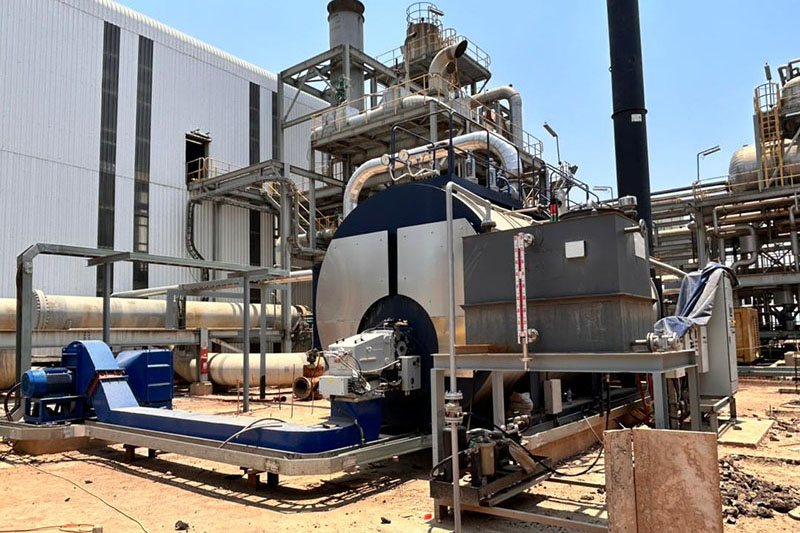
4. Application Comparison: Which Industry Should Choose Which?
4.1 Suitable for Thermal Oil Boilers
- کیمیکل انڈسٹری (reactors, کشید, polymerization)
- Textile finishing (stenters, ڈرائر)
- Plastics and rubber processing
- Asphalt heating
- Wood processing
- Food frying and baking
- Coating and curing processes
Best for processes requiring >180°C
4.2 Suitable for Steam Boilers
- فوڈ پروسیسنگ (نس بندی, کھانا پکانا)
- Pharmaceutical sterilization (134°C steam)
- بجلی کی پیداوار
- Textile humidification
- کاغذ کی صنعت
- ہسپتالوں
Best for processes requiring <180°C or direct steam
5. سلیکشن گائیڈ: صحیح بوائلر کا انتخاب کیسے کریں۔
5.1 Five-Step Decision Framework
قدم 1: Temperature Requirement
- Below 180°C → Steam boiler
- Above 180°C → Thermal oil boiler
قدم 2: Heat Load Characteristics
- Continuous operation → Thermal oil boiler
- Intermittent / fast response → Steam boiler
قدم 3: Safety and Environmental Requirements
- Low-pressure high-temperature → Thermal oil
- Direct steam needed → Steam boiler
قدم 4: Lifecycle Cost
- Thermal oil → Lower long-term cost
- Steam → Higher maintenance and operation cost
قدم 5: System Compatibility
- Existing steam network?
- Future expansion?
- Capacity margin (10%)?
5.2 Common Mistakes
- Assuming high temperature requires high pressure
- Assuming steam is always cheaper
- Ignoring thermal oil degradation
- Thinking only one system can be used
In reality, both systems can be combined.
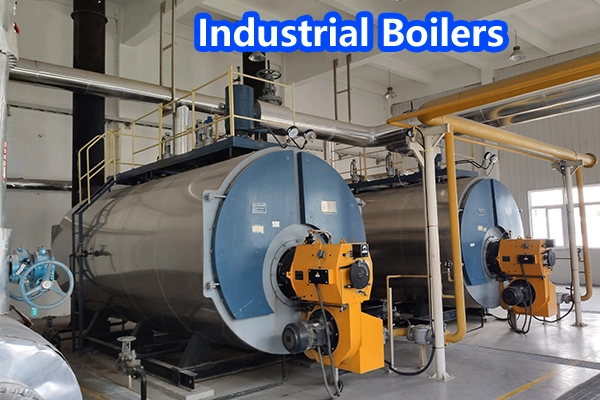
6. Can Thermal Oil Boilers and Steam Boilers Be Combined?
جی ہاں. In certain applications:
- Thermal oil boiler provides high-temperature heat
- Heat exchangers generate steam
- Combined system efficiency can reach 90%+
Ideal for complex industrial processes requiring both heat types.
7. نتیجہ: Final Selection Recommendation
| عامل | Choose Thermal Oil Boiler | Choose Steam Boiler |
|---|---|---|
| Temperature | >180°C | <180°C |
| Pressure Sensitivity | اعلی | Acceptable |
| Steam Requirement | نہیں | جی ہاں |
| Temperature Precision | اعلی | درمیانہ |
| Water Availability | محدود | Sufficient |
| دیکھ بھال | سادہ | Dedicated team required |
| Budget | محدود | اعلی |
| Operation Mode | Continuous | Intermittent |
Key Recommendations
- Choose تھرمل تیل بوائلر for high temperature (>200°C), عین مطابق کنٹرول, low-pressure safety, اور توانائی کی کارکردگی
- Choose بھاپ بوائلر for low temperature (<180°C), direct steam use, and fast heat exchange
If unsure, consult a professional supplier with your process data (درجہ حرارت, heat demand, operation mode, ایندھن کے حالات).
8. اکثر پوچھے گئے سوالات
1. Is a thermal oil boiler more expensive than a steam boiler?
For the same capacity, thermal oil boilers are usually slightly lower in equipment cost, but total cost depends on operation and maintenance.
2. تھرمل آئل بوائلر کس درجہ حرارت تک پہنچ سکتا ہے۔?
تک 350–400°C, depending on oil type and system design.
3. What temperature can a steam boiler reach?
Above 540°C, but requires very high pressure.
4. How often should thermal oil be replaced?
Typically every 5–10 years, depending on operating conditions.
5. Can both systems be used together?
جی ہاں. Combined systems can reach 90%+ کارکردگی.
6. Which is safer, thermal oil boiler or steam boiler?
Thermal oil boilers operate at low pressure with lower explosion risk; steam boilers are mature systems with strict safety standards.
Get a Free Selection Solution
If you are still unsure whether to choose a thermal oil boiler or a steam boiler, feel free to contact us with your process details (درجہ حرارت, heat load, operation mode, وغیرہ).
Click to inquire or call: +86 13838225665


