
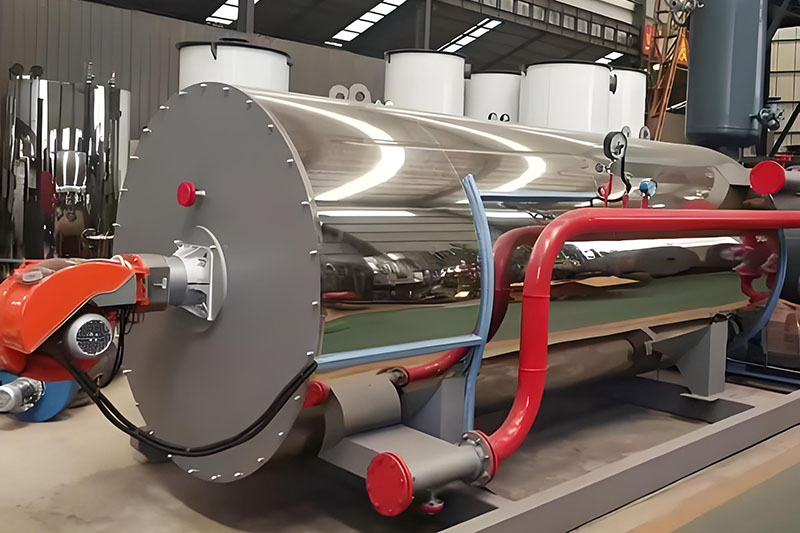
1. Что такое термомасляный котел? — Принцип работы и структура системы
1.1 Определение термомасляного котла
А термомасляный котел (также известный как нагреватель горячего масла или котел на органическом теплоносителе.) это теплоэнергетическая система. Он использует термомасло (синтетическое или минеральное масло) в качестве теплоносителя и передает тепло через принудительная циркуляция жидкой фазы с помощью насоса.
1.2 Принцип работы
- Топливо сжигается в камере сгорания с выделением тепла.;
- Термомасло внутри змеевиков или трубок поглощает тепло.;
- Нагретое масло циркулирует по закрытому трубопроводу с помощью циркуляционного насоса.;
- Высокотемпературное масло передает ощутимое тепло конечному оборудованию. (фазового изменения не происходит);
- Остывшее масло возвращается в котел для повторного нагрева., образуя замкнутую систему.
Ключевая особенность:
Термальное масло остается в жидкая фаза на протяжении всего процесса, с разницей температур между подачей и обраткой обычно только 20–30°С.
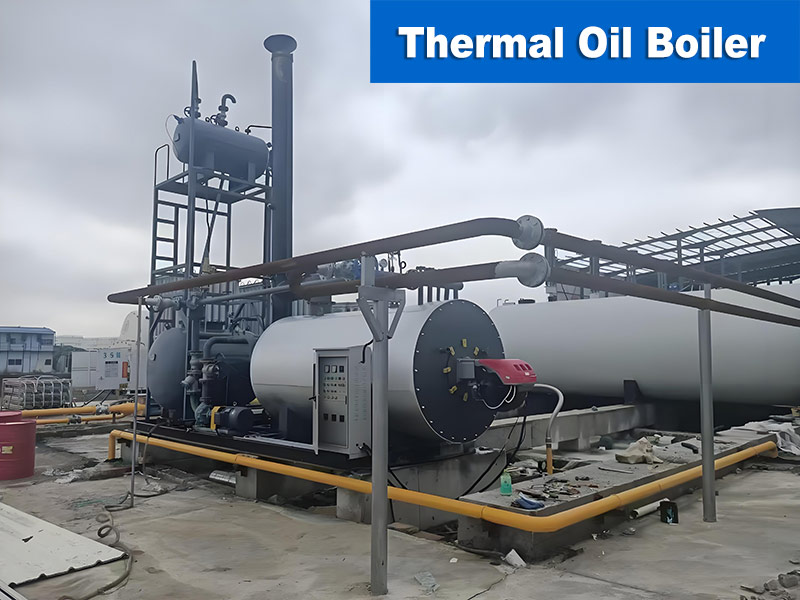
1.3 Распространенные типы и структуры топлива
- По типу топлива: газовый, работающий на нефти, угольный, электрические термомасляные котлы;
- По структуре: вертикальный (серия YQL), горизонтальный (серия YQW);
- Мощность обычно выражается в МВт или ккал/ч.
1.4 Типичные применения
Широко используется в:
- нефтехимическая
- Текстиль и крашение
- Пластмассы и резина
- Пищевая промышленность
- Обработка древесины
- Подогрев асфальта
- Покрытие и отверждение
- Сушка литейного песка
Подходит для процессов, требующих температуры до ≤350°С
2. Что такое паровой котел? — Принцип работы и структура системы
2.1 Определение парового котла
А паровой котел представляет собой сосуд под давлением, который преобразует воду в пар посредством сжигания топлива или электрического нагрева., обеспечение тепловой энергией промышленного производства и электроэнергетики.
2.2 Принцип работы
- Тепло, выделяющееся при сгорании топлива, нагревает воду внутри котла.;
- Вода закипает и превращается в насыщенный или перегретый пар.;
- Пар транспортируется к конечному оборудованию и выделяет тепло при конденсации.;
- Конденсат возвращается в котел, лечится, и разогретый, завершение цикла.
Ключевая особенность:
Процесс теплопередачи включает в себя изменение фазы (жидкость → пар → жидкость), высвобождение скрытого тепла с высокой плотностью энергии.
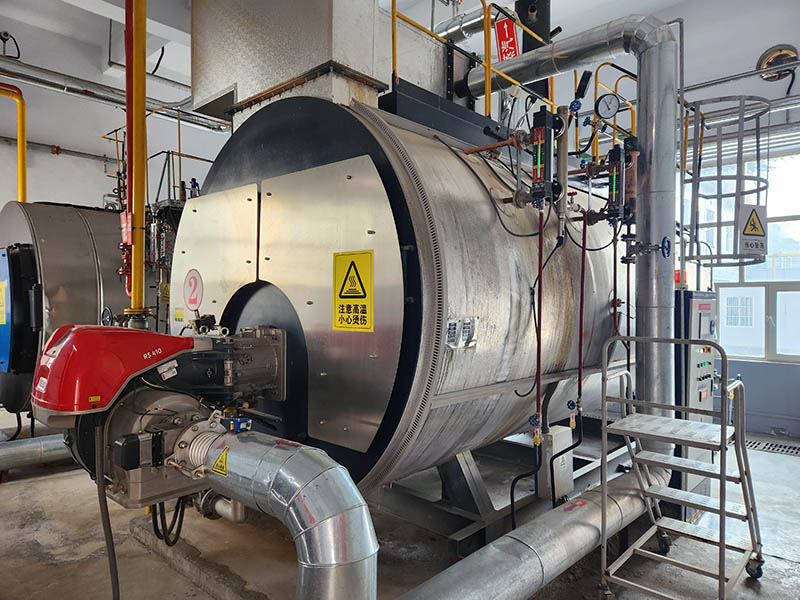
2.3 Распространенные типы
- По структуре: жаротрубные котлы, водотрубные котлы;
- По топливу: газ, масло, уголь, биомасса, электрические паровые котлы;
- Производительность обычно выражается в тонна/час (т/ч).
2.4 Типичные применения
Широко используется в:
- Пищевая промышленность
- Текстиль и крашение
- Химическая и фармацевтическая промышленность
- Производство бумаги
- Производство электроэнергии
- Больницы и системы стерилизации
3. Ключевые различия: Термомасляный котел против парового котла
3.1 Сравнение теплоносителей
| Параметр | Термальный масляный котел | Паровой котел |
|---|---|---|
| Тепловая среда | Термальное масло | Вода |
| Фазовый переход | Нет (всегда жидкий) | Да (вода → пар → вода) |
| Тип нагрева | Ощутимое тепло | Скрытый + ощутимое тепло |
3.2 Характеристики температуры и давления
| Параметр | Термальный масляный котел | Паровой котел |
|---|---|---|
| Рабочая температура | До 350–400°С | Зависит от давления |
| Рабочее давление | Низкий (0.3–0,8 МПа, высокая температура при низком давлении) | Высокий (≈10 МПа для пара 300°C) |
| Контроль температуры | Точность ±1–3°C | Менее гибкий |
3.3 Сравнение тепловой эффективности
- Котлы на термомасляном топливе обычно достигают примерно 85% эффективность, но без потерь при фазовом переходе или проблем с восстановлением конденсата, их реальная производительность часто превосходит;
- Паровые котлы могут достигать 95% эффективность сгорания, но страдают от потерь при продувке, потеря конденсата, и радиационные потери;
В тех же условиях эксплуатации, термомасляные системы могут сэкономить над 25% энергия, и до 50% когда сбор конденсата затруднен.
3.4 Сравнение безопасности
| Фактор | Термальный масляный котел | Паровой котел |
|---|---|---|
| Основной риск | Утечка масла и опасность пожара | Взрыв высокого давления |
| Преимущество безопасности | Работа при низком давлении | Зрелые стандарты |
Примечание:
Системы термомасла требуют предотвращения утечек и мониторинга масла.; паровые системы требуют строгих проверок качества воды и давления..
Ищете лучшее решение для котла для вашего завода?
Ищу паровой котел?
Связаться с нами сегодня для индивидуального решения парового котла и бесплатной оценки энергоэффективности. Наша опытная инженерная команда обеспечивает полную поддержку от проектирования до установки..
3.5 Стоимость обслуживания и эксплуатации
| Фактор | Термальный масляный котел | Паровой котел |
|---|---|---|
| Частота технического обслуживания | Низкий | Высокий |
| Содержание обслуживания | Замена масла (каждые 5–10 лет) | Очистка воды, уборка, обслуживание ловушки |
| Потребление воды | Никто | Высокий |
| Годовая стоимость обслуживания | 5–8% от стоимости оборудования | 10–15% |
3.6 Преимущества и недостатки
Термомасляный котел – преимущества
- Высокая температура при низком давлении
- Точный контроль температуры (±1°С)
- Не требуется водоподготовка
- Закрытая система с минимальными теплопотерями
Термомасляный котел – недостатки
- Стоимость замены термомасла
- Деградация масла при высокой температуре
- Риск пожара из-за утечки
- Более высокая температура дымовых газов
Паровой котел – преимущества
- Высокая плотность энергии
- Зрелая технология
- Подходит для применения с прямым паром.
- Сильная адаптация к топливу
Паровой котел – недостатки
- Высокая температура требует высокого давления
- Сложная операция (требуется очистка воды)
- Система конденсата увеличивает сложность обслуживания
- Большая площадь
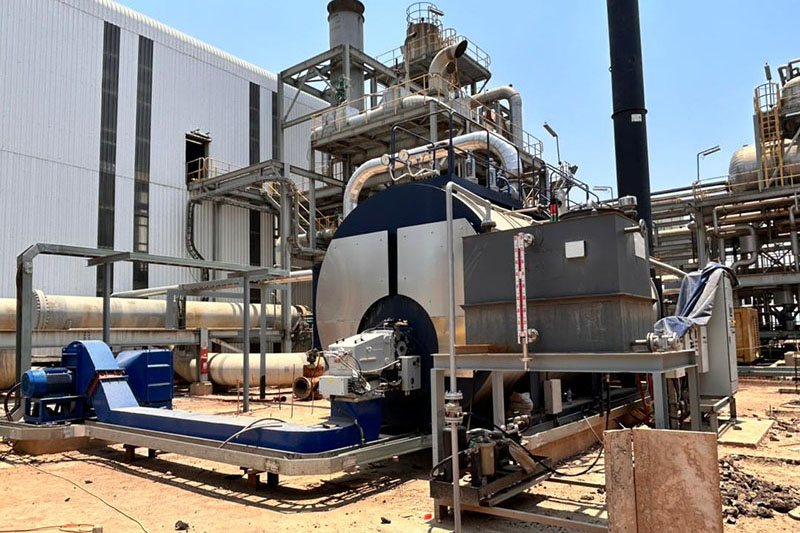
4. Сравнение приложений: Какая отрасль должна выбрать какую?
4.1 Подходит для термомасляных котлов
- Химическая промышленность (реакторы, дистилляция, полимеризация)
- Текстильная отделка (стентеры, сушилки)
- Переработка пластмасс и резины
- Подогрев асфальта
- Обработка древесины
- Жарка и запекание продуктов питания
- Процессы нанесения и отверждения
Лучше всего подходит для процессов, требующих >180°С
4.2 Подходит для паровых котлов
- Пищевая промышленность (стерилизация, приготовление пищи)
- Фармацевтическая стерилизация (134°С пар)
- Производство электроэнергии
- Увлажнение текстиля
- Бумажная промышленность
- Больницы
Лучше всего подходит для процессов, требующих <180°C или прямой пар
5. Руководство по выбору: Как правильно выбрать котел
5.1 Пятиэтапная система принятия решений
Шаг 1: Требование к температуре
- Ниже 180°C → Паровой котел
- Выше 180°C → Термомасляный котел
Шаг 2: Характеристики тепловой нагрузки
- Непрерывная работа → Термомасляный котел
- прерывистый / быстрый ответ → Паровой котел
Шаг 3: Требования безопасности и окружающей среды
- Низкое давление, высокая температура → Термальное масло
- Требуется прямой пар → Паровой котел
Шаг 4: Стоимость жизненного цикла
- Термальное масло → Снижение долгосрочных затрат
- Steam → Более высокие затраты на обслуживание и эксплуатацию.
Шаг 5: Совместимость системы
- Существующая паровая сеть?
- Будущее расширение?
- Запас мощности (10%)?
5.2 Распространенные ошибки
- Предполагая, что высокая температура требует высокого давления
- Предполагая, что пар всегда дешевле
- Игнорирование термической деградации масла
- Думая, что можно использовать только одну систему
На самом деле, обе системы можно комбинировать.
6. Можно ли комбинировать термомасляные и паровые котлы??
Да. В некоторых приложениях:
- Термомасляный котел обеспечивает высокотемпературное тепло.
- Теплообменники генерируют пар
- Эффективность комбинированной системы может достигать 90%+
Идеально подходит для сложных промышленных процессов, требующих обоих типов тепла..
7. Заключение: Рекомендация по окончательному выбору
| Фактор | Выберите термомасляный котел | Выберите паровой котел |
|---|---|---|
| Температура | >180°С | <180°С |
| Чувствительность к давлению | Высокий | Приемлемый |
| Требования к пару | Нет | Да |
| Точность температуры | Высокий | Середина |
| Наличие воды | Ограниченный | Достаточный |
| Обслуживание | Простой | Требуется выделенная команда |
| Бюджет | Ограниченный | Выше |
| Режим работы | Непрерывный | прерывистый |
Ключевые рекомендации
- Выбирать термомасляный котел для высокой температуры (>200°С), точный контроль, безопасность низкого давления, и энергоэффективность
- Выбирать паровой котел для низкой температуры (<180°С), прямое использование пара, и быстрый теплообмен
Если не уверен, проконсультируйтесь с профессиональным поставщиком по поводу данных вашего процесса (температура, потребность в тепле, режим работы, условия топлива).
8. Часто задаваемые вопросы
1. Является ли термомасляный котел дороже парового котла??
Для той же мощности, котлы на термомасляном топливе обычно немного дешевле по стоимости оборудования, но общая стоимость зависит от эксплуатации и обслуживания.
2. Какую температуру может достигать термомасляный котел?
До 350–400°С, в зависимости от типа масла и конструкции системы.
3. Какую температуру может достигать паровой котел?
Выше 540°С, но требует очень высокого давления.
4. Как часто следует менять термомасло?
Обычно каждый 5–10 лет, в зависимости от условий эксплуатации.
5. Можно ли использовать обе системы вместе?
Да. Комбинированные системы могут достигать 90%+ эффективность.
6. Что безопаснее, термомасляный котел или паровой котел?
Котлы на термомасляном топливе работают при низком давлении с меньшим риском взрыва.; паровые котлы — это зрелые системы со строгими стандартами безопасности..
Получите бесплатное решение для выбора
Если вы все еще не уверены, выбрать термомасляный котел или паровой котел, не стесняйтесь обращаться к нам с подробностями вашего процесса (температура, тепловая нагрузка, режим работы, и т. д.).
Нажмите, чтобы узнать или позвоните: +86 13838225665


