
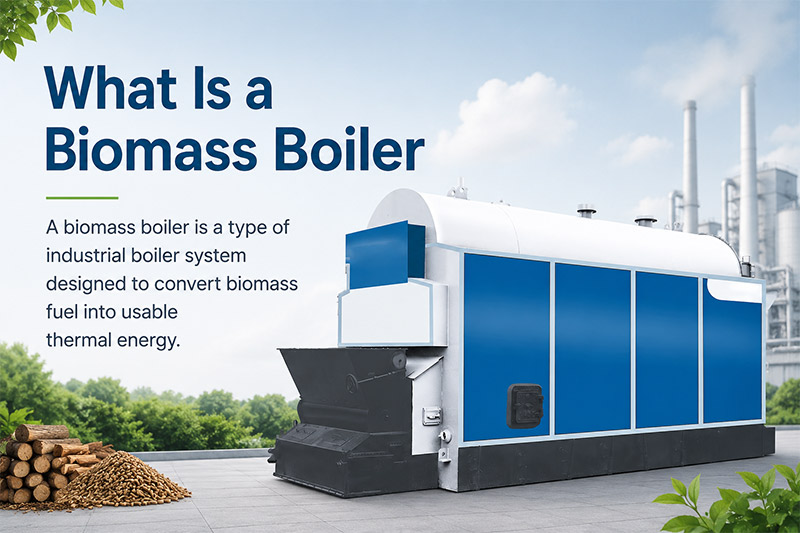
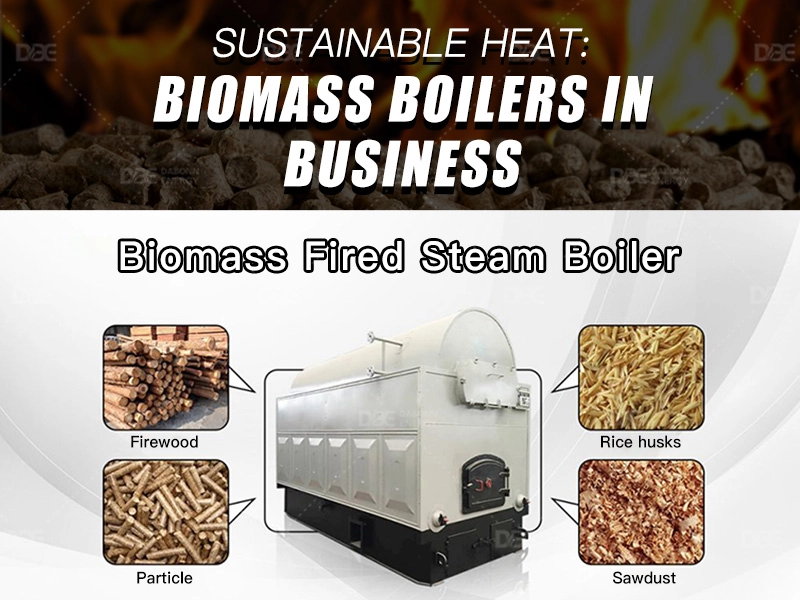
A biomass boiler is an industrial heating system that generates hot water or steam by burning renewable biomass fuels such as wood chips, rice husks, coconut shells, palm kernel shells, sawdust, and agricultural waste. As energy costs continue to rise and environmental regulations become stricter, many factories are evaluating whether a biomass boiler can provide lower operating costs and a faster return on investment than traditional gas fired or oil fired systems.
In 2026, biomass boilers are widely used in food processing plants, textile factories, agricultural processing facilities, paper mills, wood product manufacturers, and district heating projects. For industries with access to low-cost biomass fuel, a biomass boiler can significantly reduce fuel expenses while supporting sustainability goals.
What Is a Biomass Boiler?
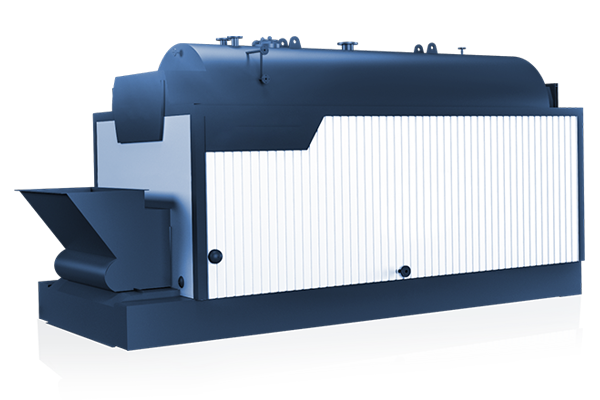
A biomass boiler is a type of industrial boiler system designed to convert biomass fuel into usable thermal energy. The generated heat is transferred to water to produce either hot water or steam for industrial applications.
Unlike conventional fossil-fuel boilers, biomass systems use renewable organic materials that are often locally available and significantly less expensive than natural gas or fuel oil.
- Wood chips
- Rice husk
- Coconut shell
- Palm kernel shell
- Sawdust
- Wood pellets
- Agricultural waste
This flexibility makes biomass boilers particularly attractive in agricultural and manufacturing regions.
How Does a Biomass Boiler Work?
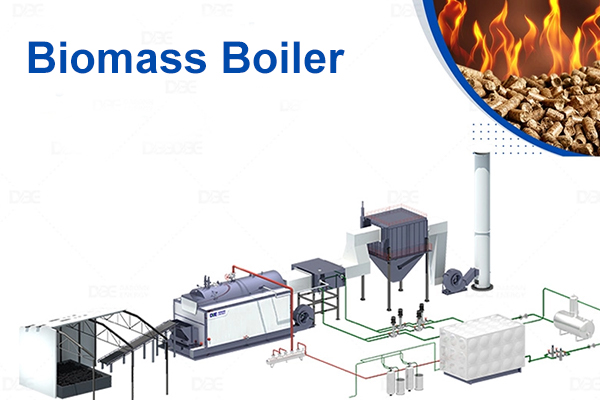
The operating principle is relatively straightforward. Biomass fuel is fed into the combustion chamber where it burns under controlled conditions. Heat produced during combustion passes through heat exchange surfaces and transfers energy into water.
The resulting hot water or steam can then be used throughout the factory for production processes, heating systems, sterilization, drying, cooking, or power generation.
| Step | Process |
|---|---|
| 1 | Biomass fuel enters the furnace |
| 2 | Combustion generates thermal energy |
| 3 | Heat transfers through boiler tubes |
| 4 | Water is heated into hot water or steam |
| 5 | Energy is delivered to factory equipment |
Why Are More Factories Choosing Biomass Boilers?
The main reason is operating cost. While a biomass boiler often requires a higher initial investment than a standard gas boiler, fuel expenses can be significantly lower over the life of the project.
Many factories are no longer evaluating boiler cost based only on purchase price. Instead, they focus on total lifecycle cost, including fuel consumption, maintenance expenses, and long-term energy savings.
- Lower fuel costs
- Renewable energy source
- Reduced dependence on fossil fuels
- Long-term energy stability
- Potential carbon reduction benefits
Biomass Boiler vs Gas Boiler
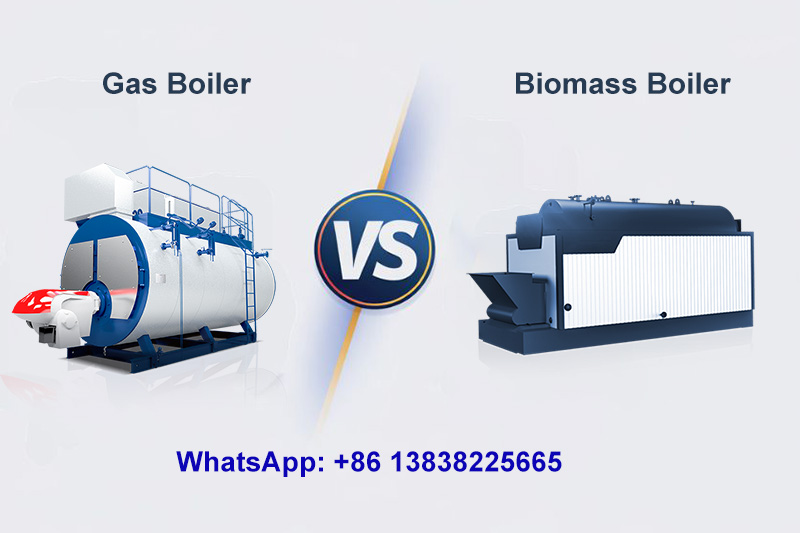
One of the most common questions from industrial buyers is whether a biomass boiler is better than a gas fired boiler.
| Factor | Biomass Boiler | Gas Boiler |
|---|---|---|
| Fuel Cost | Usually Lower | Usually Higher |
| Initial Investment | Higher | Lower |
| Automation Level | Medium to High | High |
| Fuel Storage | Required | Minimal |
| Environmental Impact | Renewable Fuel | Fossil Fuel |
| Payback Potential | Excellent | Moderate |
For factories with access to low-cost agricultural waste, biomass systems often provide the lowest long-term operating cost among all industrial boiler technologies.
How Much Does a Biomass Boiler Cost?
The price of a biomass boiler depends on capacity, fuel feeding system, automation level, emission control equipment, and project requirements.
| Boiler Capacity | Estimated Investment Range |
|---|---|
| 1 Ton | $30,000 – $60,000 |
| 2 Ton | $45,000 – $80,000 |
| 4 Ton | $70,000 – $130,000 |
| 6 Ton | $100,000 – $180,000 |
| 10 Ton+ | $180,000+ |
Additional investment may include fuel storage facilities, automatic feeding systems, ash handling equipment, and water treatment systems.
Looking for a Steam Boiler?
Contact us today for a customized oil hot water boiler solution and free energy efficiency assessment. Our expert engineering team provides full support from design to installation.
Industrial Applications of Biomass Boilers
Biomass boilers can support a wide range of industrial applications.
| Industry | Main Application |
|---|---|
| Food Processing | Cooking, sterilization, cleaning |
| Textile Manufacturing | Dyeing, drying, ironing |
| Palm Oil Mills | Process heating |
| Paper Industry | Steam generation |
| Wood Products | Drying and heating |
| Agricultural Processing | Biomass utilization and steam production |
Many factories use biomass steam boilers as part of their energy efficiency strategy while utilizing waste materials generated from their own production process.
Case Study: Food Processing Factory Using Coconut Shell Fuel
A food ingredient manufacturer producing sauces and seasonings faced rising fuel expenses from conventional fossil fuels. The factory installed a biomass steam boiler designed to burn coconut shells, a locally available fuel source.
The coconut shell fired boiler reduced annual fuel expenditure while providing stable steam for cooking, sterilization, and cleaning operations.
| Project Item | Details |
|---|---|
| Industry | Food Processing |
| Fuel Type | Coconut Shell |
| Boiler Type | Biomass Steam Boiler |
| Main Use | Cooking and Sterilization |
| Expected Payback | 2–4 Years |
How to Choose the Right Biomass Boiler?
Before purchasing a biomass boiler, factory owners should evaluate several critical factors.
- Available biomass fuel supply
- Fuel moisture content
- Required steam output
- Operating hours per year
- Emission requirements
- Available installation space
- Future production expansion plans
The most successful biomass boiler projects are those where fuel availability, boiler capacity, and production demand are carefully matched.
Why Many Industrial Buyers Choose Dabonn Energy
Dabonn Energy supplies industrial steam boilers, hot water boilers, biomass boiler systems, gas-fired boilers, electric boilers, and customized industrial heating solutions for global manufacturing facilities.
By combining fuel flexibility, energy efficiency, and customized engineering design, biomass boiler projects can help factories achieve both economic and environmental objectives.

Conclusion
A biomass boiler can be one of the most cost-effective industrial heating solutions in 2026, especially for factories with access to affordable biomass fuel. Although the initial investment may be higher than a gas boiler, lower fuel expenses often result in significant long-term savings.
For food processing plants, textile factories, agricultural processors, and manufacturing facilities seeking lower operating costs and renewable energy solutions, a biomass boiler remains an attractive option for industrial steam and hot water generation.
FAQ
What fuel can a biomass boiler use?
Biomass boilers can use wood chips, wood pellets, rice husks, coconut shells, palm kernel shells, sawdust, and many agricultural residues.
Is a biomass boiler cheaper to run than a gas boiler?
In regions with low-cost biomass fuel, operating costs are often significantly lower than gas-fired boiler systems.
What industries use biomass boilers?
Food processing, textile manufacturing, agriculture, paper production, and wood processing industries commonly use biomass boilers.
How long is the payback period for a biomass boiler?
Many industrial projects achieve a payback period of approximately 2–5 years depending on fuel savings and operating hours.
Can a biomass boiler produce steam?
Yes. Biomass steam boilers are widely used for industrial steam generation and process heating applications.


